
Trump unmasks American selfishness, say cynics
But sceptics are wrong to call America First business as usual
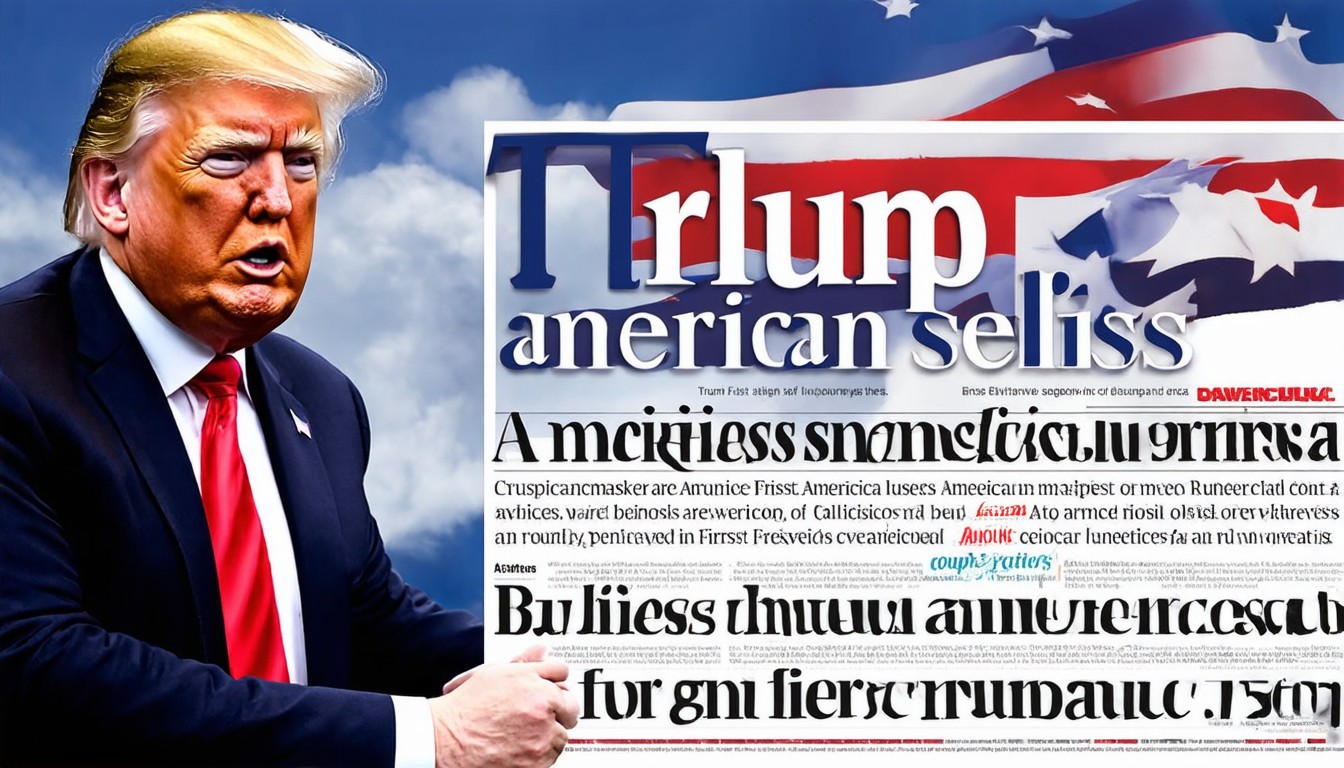
The phrase "America First" has been a mantra for former President Donald Trump since his campaign in 2016, and it has become synonymous with his administration's policies. Critics have often dismissed the "America First" agenda as merely a continuation of business-as-usual, arguing that it reflects a self-centered approach that neglects global responsibilities. However, proponents of the policy argue that it represents a necessary shift towards prioritizing American interests, which they believe has been long overdue.
The "America First" policy encompasses a range of initiatives, from renegotiating trade deals to imposing tariffs on imports, emphasizing national security, and promoting American industries. Critics, particularly those who view the world through a more multilateral lens, have accused Trump of fostering an environment of global isolationism. They argue that this approach not only undermines international cooperation but also risks exacerbating global challenges such as climate change, terrorism, and pandemics, which require collective action.
One of the most contentious aspects of the "America First" agenda has been the administration's handling of trade. Trump's administration implemented tariffs on goods from China, citing concerns over trade imbalances and intellectual property theft. While some argue that these measures were necessary to protect American jobs and industries, others contend that they have led to retaliatory tariffs, strained alliances, and contributed to a global slowdown in trade. Critics also point out that the tariffs have disproportionately affected American consumers and small businesses, leading to higher prices and reduced competitiveness.
Despite these criticisms, supporters of the "America First" policy maintain that it has been effective in achieving its primary goals. They highlight the administration's success in renegotiating the North American Free Trade Agreement (NAFTA) into the United States-Mexico-Canada Agreement (USMCA), which they argue provides better terms for American workers and industries. Additionally, they cite the administration's focus on energy independence, such as the increase in domestic oil and gas production and the withdrawal from the Iran nuclear deal, as evidence of a renewed commitment to national security.
However, the debate over the "America First" policy extends beyond trade and security. It touches on broader questions of American values and global leadership. Critics argue that the policy reflects a dangerous shift towards nationalism and protectionism, which can lead to a more unstable and unpredictable world order. They warn that this approach may ultimately harm America's long-term interests by alienating key allies and fostering an environment of mistrust and competition.
On the other hand, proponents of "America First" contend that it is a necessary corrective to decades of what they perceive as overly generous and one-sided international engagements. They argue that by prioritizing American interests, the policy helps to restore a sense of economic and cultural pride, which they believe has been eroded by previous administrations' focus on global issues at the expense of domestic concerns.
Ultimately, the "America First" policy remains a polarizing issue, dividing Americans and the world along ideological lines. While critics view it as a return to a self-interested past, supporters see it as a bold reassertion of American identity and influence. As the world continues to grapple with complex global challenges, the question of whether the "America First" approach can effectively balance national interests with international cooperation will likely remain a central theme in global politics for years to come.









