
Trump threatens to send Iran back to the stone age
In a speech, the US President tried to justify a war he struggles to muster much interest in
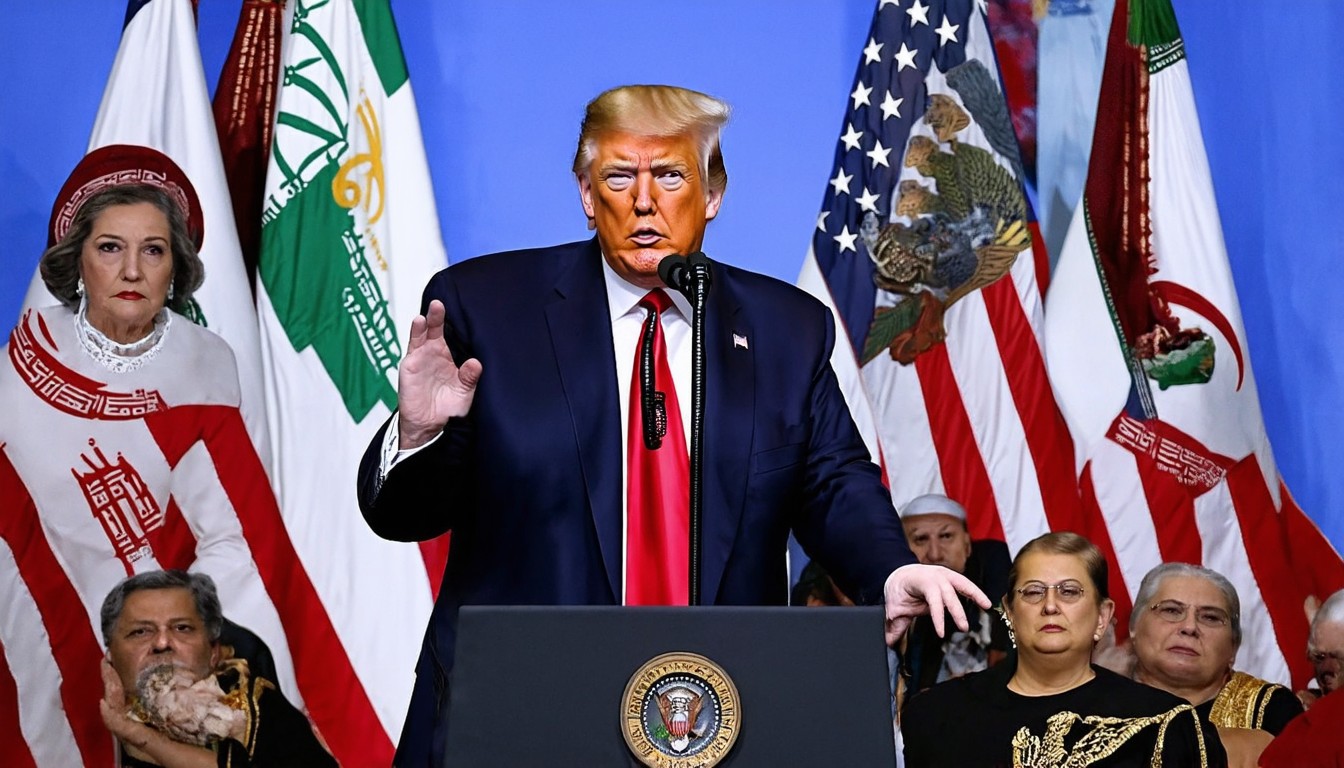
In a recent speech, U.S. President Donald Trump attempted to justify a war in Iran that has garnered limited public interest. The speech, which aired on CBS at 9 pm, interrupted the network's broadcast of Survivor, underscoring the lack of enthusiasm surrounding the conflict. Trump's remarks were filled with contradictions and unclear motivations, as he flipped between promising a swift end to the war and threatening to send Iran back to the "Stone Ages – where they belong."
Hours before delivering his address, Trump had joked to a lunch crowd that he would "basically tell everyone how great I am." This sentiment permeated the speech, with little new information provided about the situation in Iran. Instead, Trump focused on asserting his own prowess and downplaying the potential consequences of the war.
The inconsistencies in Trump's messaging have been a point of contention among his allies. Speaker Mike Johnson has described the conflict as not a war, a characterization that Trump has repeatedly dismissed. Even Senator Marco Rubio has attempted to impose some order on the chaotic communications emanating from the White House by issuing a piece-to-camera video, urging clarity in the administration's stance.
Trump's speech contained several illogical claims, including the assertion that there would be no negative outcomes from the war. He further argued that his voters would not be affected, citing the U.S.'s abundant oil and gas production. Additionally, he dismissed the importance of the Strait of Hormuz, a critical chokepoint for global oil shipments, and suggested that unreliable allies should send their own aircraft carriers to secure the area.
The timing of this war is particularly problematic for Trump, as the midterm elections loom on the horizon. By increasing gas prices and threatening the stock market's reliance on cheap energy, Trump risks alienating voters who are already concerned about the cost of living. Furthermore, his decision to engage in yet another Middle East conflict contradicts his campaign promise of keeping military involvement short and focused.
Instead of focusing on the war, Trump could have highlighted a significant achievement from NASA: the first manned rocket launch to the moon since the Apollo missions. This milestone symbolizes a new era of space exploration, a topic that could have resonated with the public and showcased American ingenuity. However, Trump chose to spend his time attempting to justify a war that he struggles to muster much interest in.
In conclusion, Trump's speech failed to provide a coherent explanation for the conflict in Iran, instead opting to emphasize his own perceived greatness and dismiss potential consequences. The contradictions and unclear motivations have left many questioning the rationale behind the war, particularly as the midterm elections approach. Trump's focus on justifying the war, rather than addressing other pressing issues, may ultimately prove detrimental to his political standing.









