
Trump threatens jail for reporter who revealed Iran airman rescue
U.S. President Donald Trump said on Monday he would demand that the journalist who first reported that an airman in Iran had been rescued reveal how they got…
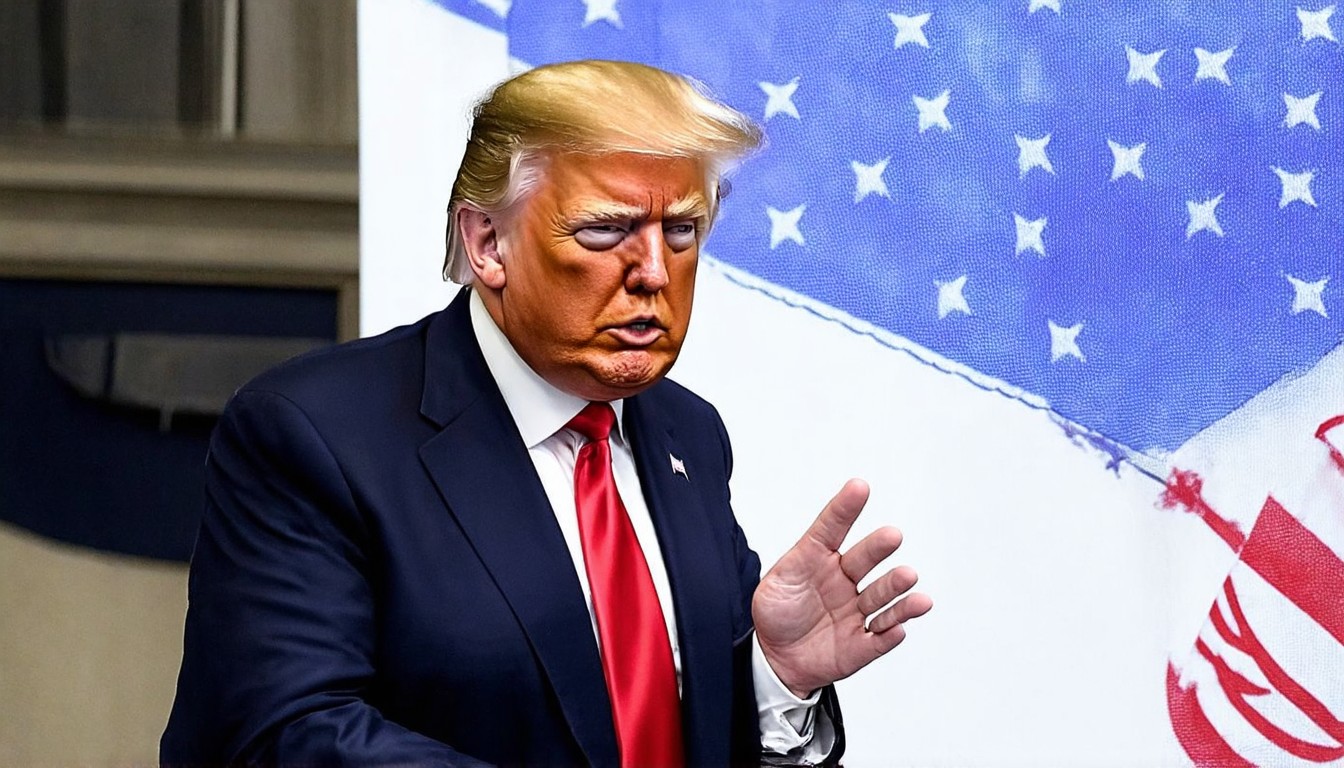
U.S. President Donald Trump threatened to jail a journalist on Monday after the reporter broke the news of an American airman being rescued from Iran. The president's comments came during a press conference, where he demanded that the journalist reveal the source of their information. Trump's remarks have sparked debates about press freedom and the role of journalists in reporting sensitive national security matters.
The incident began when the journalist, whose identity was not immediately disclosed, reported that an American airman had been rescued from Iranian custody. The news was met with relief by the U.S. government and the family of the airman, who had been detained since 2018. The rescue operation was described as a diplomatic victory for the Trump administration, as it marked a rare instance of the U.S. successfully securing the release of a detainee from Iran.
However, Trump's reaction to the journalist's reporting was unexpected and controversial. During the press conference, the president demanded that the journalist disclose their sources, stating that they should be "in jail" for not doing so. Trump argued that the journalist's reporting posed a risk to national security, as it could have influenced the outcome of the rescue negotiations. Critics of the president's stance argue that such demands undermine the principle of journalistic confidentiality, which is crucial for protecting the integrity of the press and encouraging sources to come forward with sensitive information.
The threat to jail the journalist has drawn criticism from journalists and civil liberties advocates. The American Society of News Editors issued a statement condemning Trump's comments, emphasizing that journalists have a right to protect their sources and that such threats endanger the public's ability to receive accurate and timely information. The Society also noted that the journalist's reporting was in the public interest and that their actions did not harm national security.
In response to the backlash, Trump's spokespeople clarified that the president was not advocating for the journalist to be jailed but was instead calling for transparency in how the information was obtained. However, the initial statement left many questioning the administration's commitment to press freedom. The incident has reignited discussions about the balance between national security and the First Amendment's protection of the press.
The rescue of the American airman from Iran is seen as a significant diplomatic achievement for the Trump administration. The negotiations, which were conducted in secret, involved a complex exchange of prisoners and diplomatic concessions. The airman's release was hailed as a testament to the administration's ability to negotiate with adversaries, despite the ongoing tensions between the U.S. and Iran.
The journalist's reporting played a pivotal role in bringing the rescue to public attention, highlighting the importance of an independent press in holding governments accountable. The threat to jail the journalist underscores the challenges faced by journalists in the United States, particularly those covering sensitive national security issues. As the debate over press freedom continues, it remains to be seen whether the administration will reconsider its stance on journalist confidentiality and whether the journalist will reveal their sources.
In conclusion, President Trump's threat to jail a journalist for reporting the rescue of an American airman from Iran has sparked a national conversation about the boundaries of press freedom and national security. While the rescue itself is seen as a diplomatic success, the president's comments have raised concerns about the administration's willingness to protect the press's right to confidentiality. As the debate unfolds, the incident serves as a stark reminder of the critical role journalists play in a democratic society and the importance of safeguarding their ability to report the news without fear of retribution.








