
Trump slaps steep tariffs on patented drug imports
The 100% tariff will go into effect on July 31 for several major pharmaceutical companies — with full-scale implementation to begin in September.
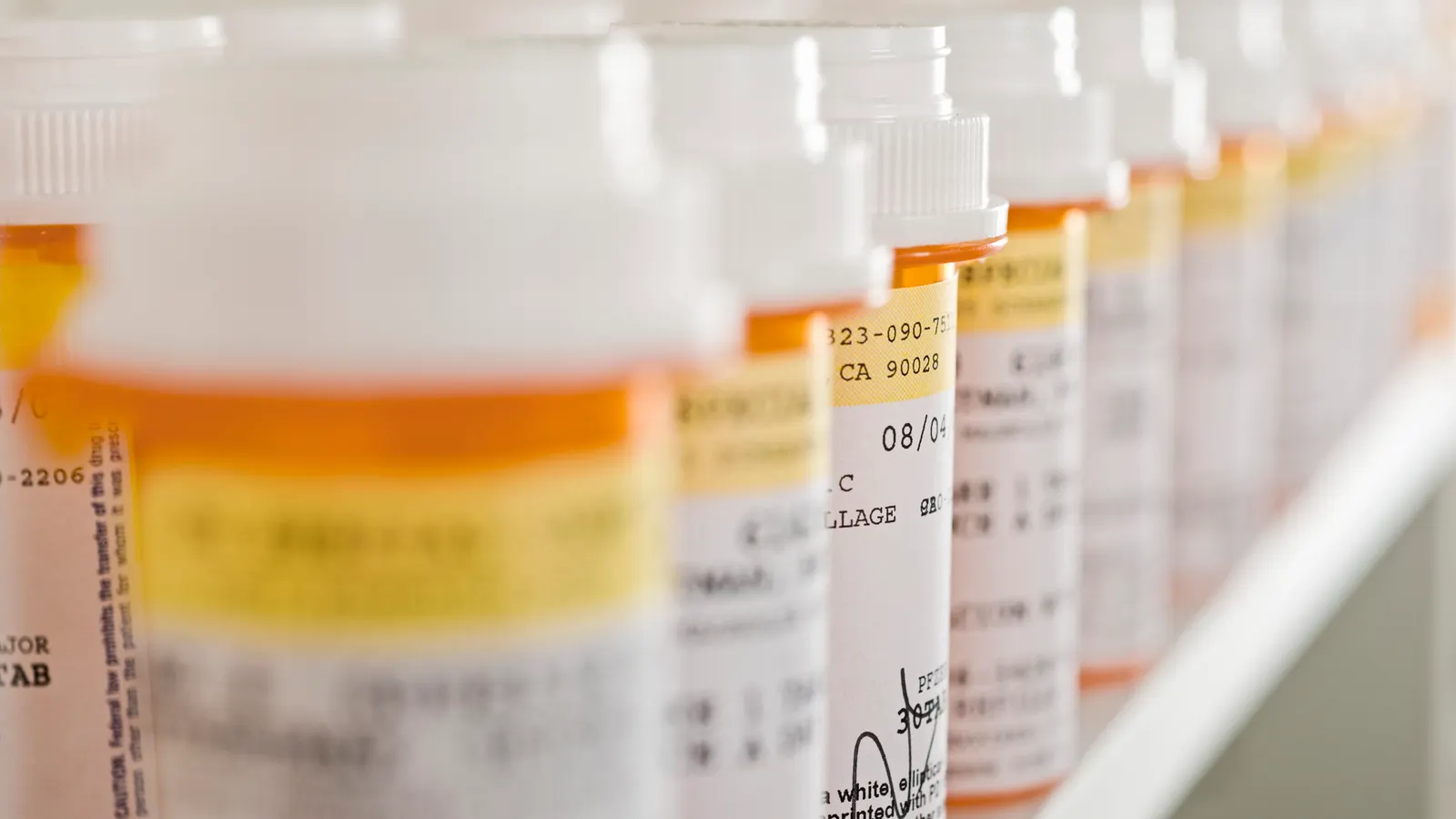
On July 31, the United States will impose a 100% tariff on imported patented drugs from several major pharmaceutical companies, marking a significant escalation in trade tensions. This move, which will see full-scale implementation by September, is expected to have profound effects on the global pharmaceutical market and access to medications for millions of people worldwide.
The decision to slap such steep tariffs follows a long-standing debate over the cost of prescription drugs in the United States and the role of foreign companies in the market. Critics argue that high drug prices in the U.S. are partly due to the complex regulatory environment and the dominance of a few large pharmaceutical companies. By imposing tariffs, the Trump administration aims to reduce the attractiveness of importing patented drugs, thereby encouraging domestic production and potentially lowering prices for consumers.
The tariffs will primarily target companies that manufacture their products outside the United States and then import them, often after the expiration of their patents. This has led to a situation where generic drug manufacturers in countries like India and China can produce cheaper versions of patented medications, which are then imported into the U.S. The new tariffs are intended to level the playing field and protect American jobs in the pharmaceutical sector.
However, the move is not without controversy. Critics warn that the tariffs could lead to shortages of certain medications, particularly in developing countries, where access to affordable drugs is already a significant challenge. Additionally, there are concerns that the tariffs could trigger a trade war with countries that produce a large portion of the world's pharmaceuticals, such as India and China.
In response to the tariffs, some pharmaceutical companies have already announced plans to increase production in the United States to avoid the new taxes. Others have expressed frustration, arguing that the tariffs will ultimately hurt patients by limiting the availability of life-saving drugs.
The impact of the tariffs on the U.S. market is uncertain. While some analysts predict that domestic drug manufacturers will benefit from the reduced competition, others worry that the increased costs could lead to higher prices for consumers. Moreover, the tariffs could push generic drug manufacturers to seek alternative markets, potentially exacerbating shortages in other regions.
The decision to impose the tariffs also highlights the broader challenges facing the U.S. healthcare system. With prescription drug prices continuing to rise, policymakers have long sought ways to address the issue, but the tariffs represent a significant departure from previous trade policies.
In the coming months, it will be crucial to monitor the effects of the tariffs on both the U.S. and global pharmaceutical markets. As the full-scale implementation begins in September, the administration and the pharmaceutical industry will need to carefully manage the transition to ensure that patients are not left without access to essential medications.
Ultimately, the tariffs on patented drug imports could reshape the landscape of the global pharmaceutical industry, with far-reaching implications for healthcare access, trade relations, and economic policies. As the dust settles, it remains to be seen whether the move will achieve its intended goals or instead create new challenges for all stakeholders involved.









