
Trump signals Iran deal before Tuesday deadline, warns ‘I am blowing up everything’ if talks fail
With Trump’s deadline approaching, attention is now on whether diplomacy can avert further escalation or if the situation moves toward direct US military action.
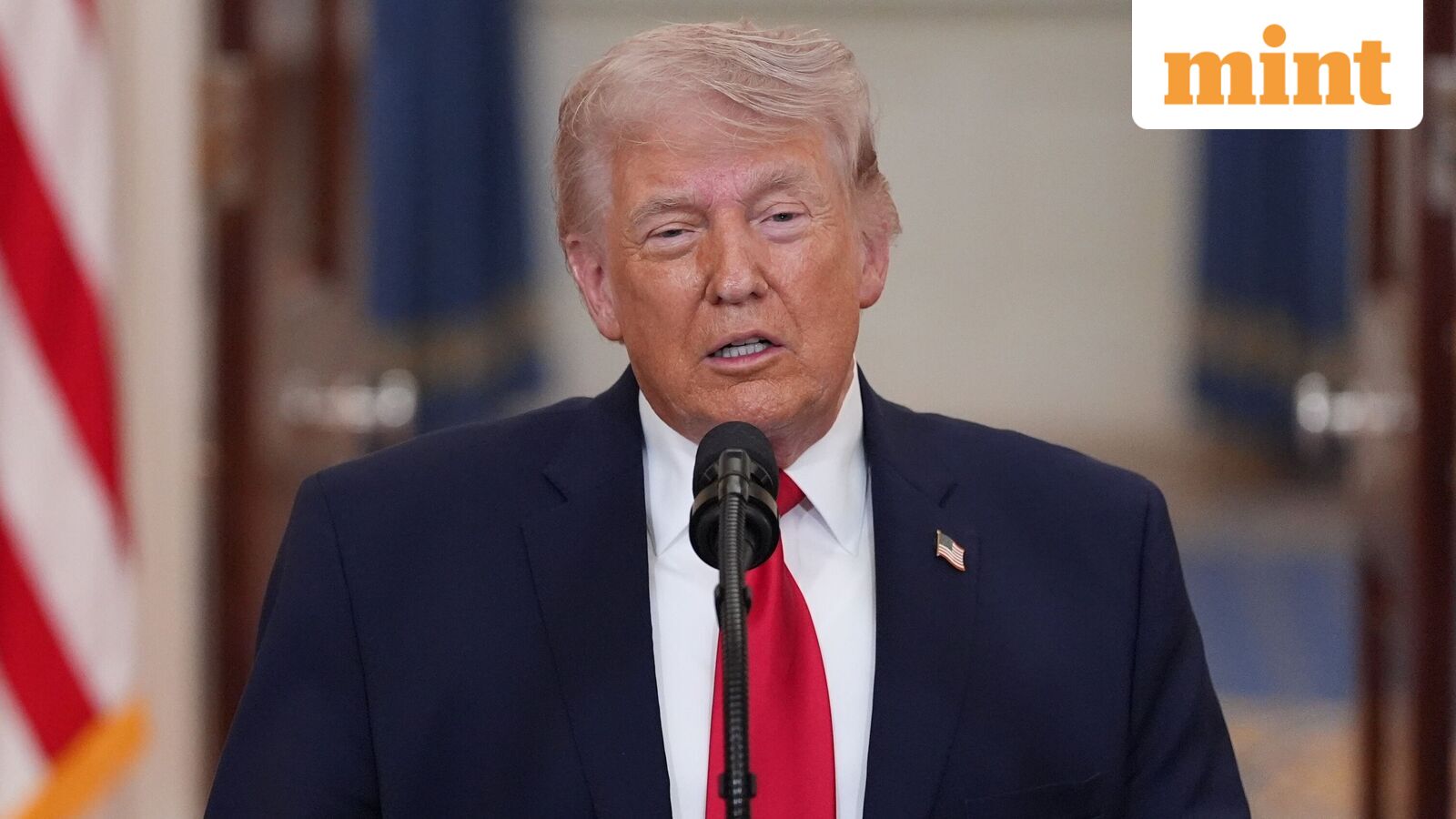
As the clock ticks down to the looming deadline, the world watches with bated breath, wondering whether diplomacy can yet prevent a full-blown crisis or if the situation will spiral into direct military confrontation. President Donald Trump has signaled his intention to revisit the Iran nuclear deal, warning that if talks fail to reach an agreement, he will "blow up everything." This stark statement underscores the high stakes and mounting tensions between the United States and Iran, with both nations locked in a complex game of brinkmanship.
The backdrop to this latest standoff is the long-standing nuclear agreement, officially known as the Joint Comprehensive Plan of Action (JCPOA), which was brokered in 2015 between Iran and six world powers—the United States, France, the United Kingdom, Germany, China, and Russia. The deal aimed to curb Iran's nuclear program in exchange for the lifting of economic sanctions. However, tensions began to rise in 2018 when Trump withdrew the U.S. from the agreement, citing concerns over Iran's ballistic missile capabilities and its support for terrorist groups in the region.
Since then, the U.S. has imposed new sanctions on Iran, while Tehran has retaliated by increasing its nuclear enrichment activities and threatening to renege on the deal. The situation escalated further in recent weeks, with reports of increased tensions in the Gulf region, including the seizure of a U.S. drone by Iranian forces and the alleged downing of a commercial drone by an unidentified entity, which the U.S. blamed on Iran.
Amid this volatile environment, Trump has set a deadline for negotiations with Iran, demanding that the country agree to new terms that would significantly curb its nuclear program and limit its regional influence. The U.S. president has warned that if Iran does not comply, he will impose additional sanctions and take "drastic measures" to ensure regional stability.
The Trump administration has framed these negotiations as a matter of national security, arguing that the current deal is insufficient to prevent Iran from developing nuclear weapons. Critics, however, have accused the U.S. of seeking to impose unilateral terms on Iran, disregarding the interests of the other JCPOA signatories. European allies, particularly France and Germany, have expressed concern that the U.S. approach could lead to further escalation and destabilize the region.
Despite the mounting pressure, Iran has remained defiant, insisting that it will not abandon its right to peaceful nuclear energy development. Iranian officials have accused the U.S. of hypocrisy, pointing out that the country itself possesses a vast nuclear arsenal and has not signed the Treaty on the Non-Proliferation of Nuclear Weapons.
The fate of the Iran deal now hinges on the outcome of these high-stakes negotiations. If an agreement can be reached, it could potentially ease tensions and restore some semblance of stability in the region. However, if the talks collapse, the path to direct military action becomes increasingly likely.
The U.S. military has been on high alert, with reports of increased troop deployments in the Middle East and the activation of the Central Command's Rapid Deployment Force. Meanwhile, Iran has continued to mobilize its forces, with the Islamic Revolutionary Guard Corps conducting large-scale military drills and deploying missiles near the Strait of Hormuz, a critical chokepoint for global oil shipments.
As the deadline approaches, diplomats and analysts are scrambling to assess the likelihood of an agreement. Some experts believe that Trump's "blow up everything" threat is a bluff, designed to pressure Iran into concessions without necessarily leading to military action. Others are more cautious, warning that the U.S. president's history of unpredictable behavior could result in a sudden and dangerous escalation.
The situation is further complicated by the involvement of regional actors, such as Saudi Arabia and Qatar, which have their own interests at stake in the ongoing tensions. These nations are closely monitoring the negotiations, hoping to leverage the situation to their advantage.
In the meantime, the international community is watching with trepidation, fearing that a miscalculation or a misstep could trigger a full-blown conflict with far-reaching consequences. The stakes are high, and the world is bracing for the outcome of these critical negotiations.
As the deadline looms, the question remains: will diplomacy prevail, or will the region be plunged into a new era of conflict? Only time will tell, but one thing is clear—the world is on the brink of a decision that could shape the global landscape for years to come.








