Trump Says US Sent Guns to Iranian Protesters, Alleges ‘Kurds Kept Weapons Sent’
Amid escalating tensions with Iran, US President Donald Trump has made a series of controversial claims regarding American involvement in past Iranian protests, while also issuing an unusually blunt warning of potential large-scale military action if Tehran fails to reach an agreement with Washington. In remarks conveyed during a phone interview with Fox News correspondent […] The post Trump Says US Sent Guns to Iranian Protesters, Alleges ‘Kurds Kept Weapons Sent’ appeared first on Tfipost.com .
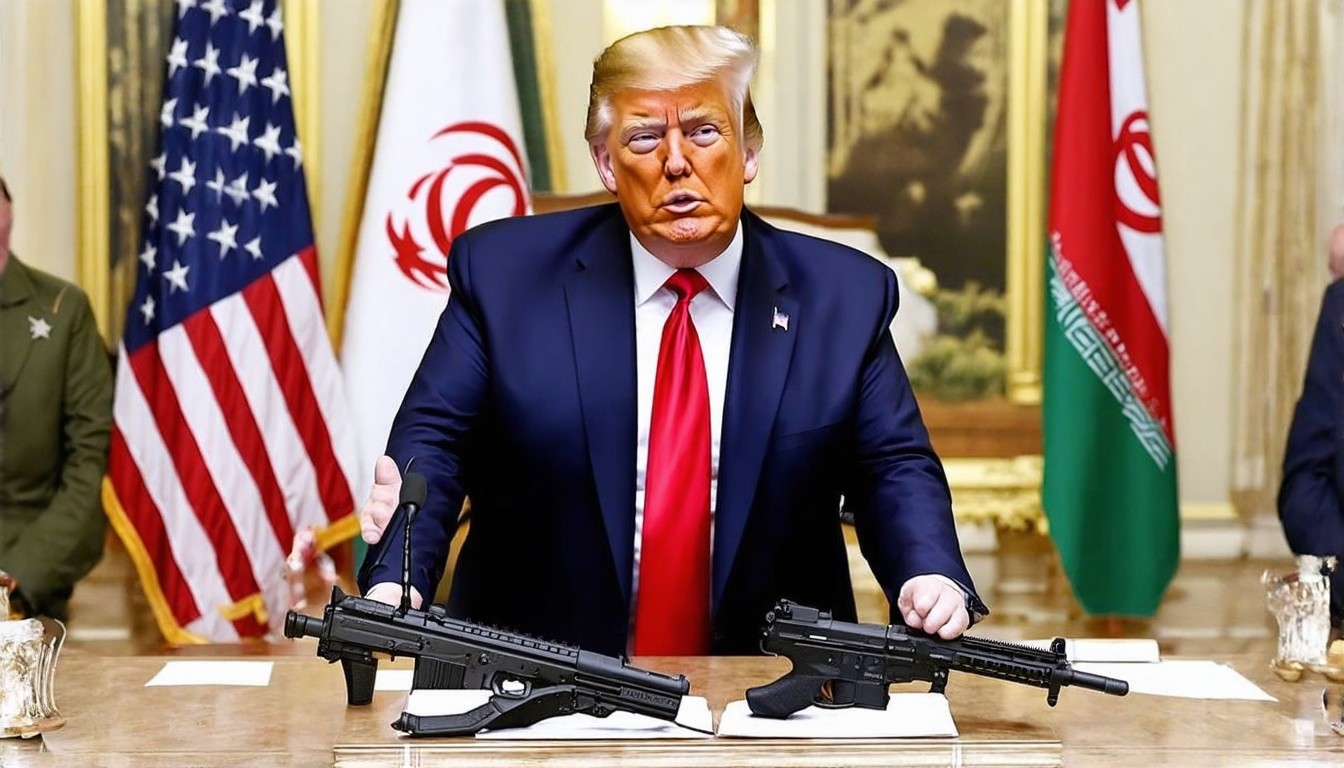
Amid escalating tensions with Iran, US President Donald Trump has made a series of controversial claims regarding American involvement in past Iranian protests, while also issuing an unusually blunt warning of potential large-scale military action if Tehran fails to reach an agreement with Washington. In remarks conveyed during a phone interview with Fox News correspondent Trey Yingst, Trump alleged that the United States had supplied weapons to anti-government protesters in Iran, routing them through Kurdish intermediaries. He suggested, however, that the arms may never have reached their intended recipients.
Trump claimed that the US sent "a lot of guns" to Iranian protesters through the Kurds, implying that the Kurdish intermediaries may have kept the weapons. This assertion has not been independently verified and lacks official confirmation from US agencies. Trump also stated that the Iranian government "slaughtered 45,000 people" during the protests. While international human rights organizations have documented severe crackdowns, estimates of the death toll vary widely. Groups such as Amnesty International have reported that thousands were killed in various waves of unrest, while Iranian authorities have placed the death toll at just over 3,000, attributing the violence to "terrorists" backed by foreign powers, including the United States and Israel.
The protests themselves, commonly referred to as the Iranian protests, began over economic grievances but quickly evolved into broader anti-regime demonstrations, with many participants demanding systemic political change. Trump's comments were accompanied by sharply worded threats directed at Tehran. In a social media post, he warned Iran to "make a deal" or "open the Strait," in reference to the strategically vital Strait of Hormuz. He further declared that an imminent deadline on Tuesday could mark sweeping military action if Iran did not comply with Washington's demands.
The escalating rhetoric from Trump has raised concerns about the potential for further conflict in the region. Critics argue that his unverified claims and aggressive tone could exacerbate tensions, potentially leading to unintended consequences. On the other hand, supporters contend that Trump's assertive stance is necessary to counterbalance Iran's perceived aggression and protect US interests in the Middle East.
The situation in Iran remains volatile, with ongoing protests and unrest challenging the government's authority. The US and other international actors are closely monitoring the situation, with many calling for dialogue and diplomacy to resolve the crisis. As tensions continue to rise, the future of relations between the US and Iran remains uncertain, with the potential for military action looming large.
In the context of Trump's administration, this latest round of provocative statements follows a pattern of confrontational rhetoric toward Iran. Previously, Trump has accused Iran of sponsoring terrorism and threatened military action in response to alleged attacks on US interests. His administration has also imposed severe sanctions on Iran, aiming to cripple its economy and pressure the government to negotiate.
The allegations of US involvement in supplying weapons to Iranian protesters are particularly contentious, as they have not been confirmed by any credible sources. Critics argue that Trump's claims are baseless and serve to further inflame tensions, while proponents suggest they are a necessary part of the US strategy to undermine Iran's regime.
As the situation unfolds, it remains to be seen whether Trump's threats will prompt Iran to negotiate or if the situation will escalate further. The potential for large-scale military conflict in the region could have far-reaching consequences, impacting global energy markets, geopolitical alliances, and the stability of the Middle East.
In conclusion, Trump's recent claims about US involvement in supplying weapons to Iranian protesters and his blunt warnings of military action have heightened tensions between the US and Iran. While the allegations have not been verified, they add to the complex and volatile situation in the region. As the two nations grapple with their differing interests and competing narratives, the path forward remains uncertain, with the potential for both diplomatic resolution and military confrontation.