Trump says US can open Hormuz with 'a little more time' and asks Congress for $1.5tr for defence
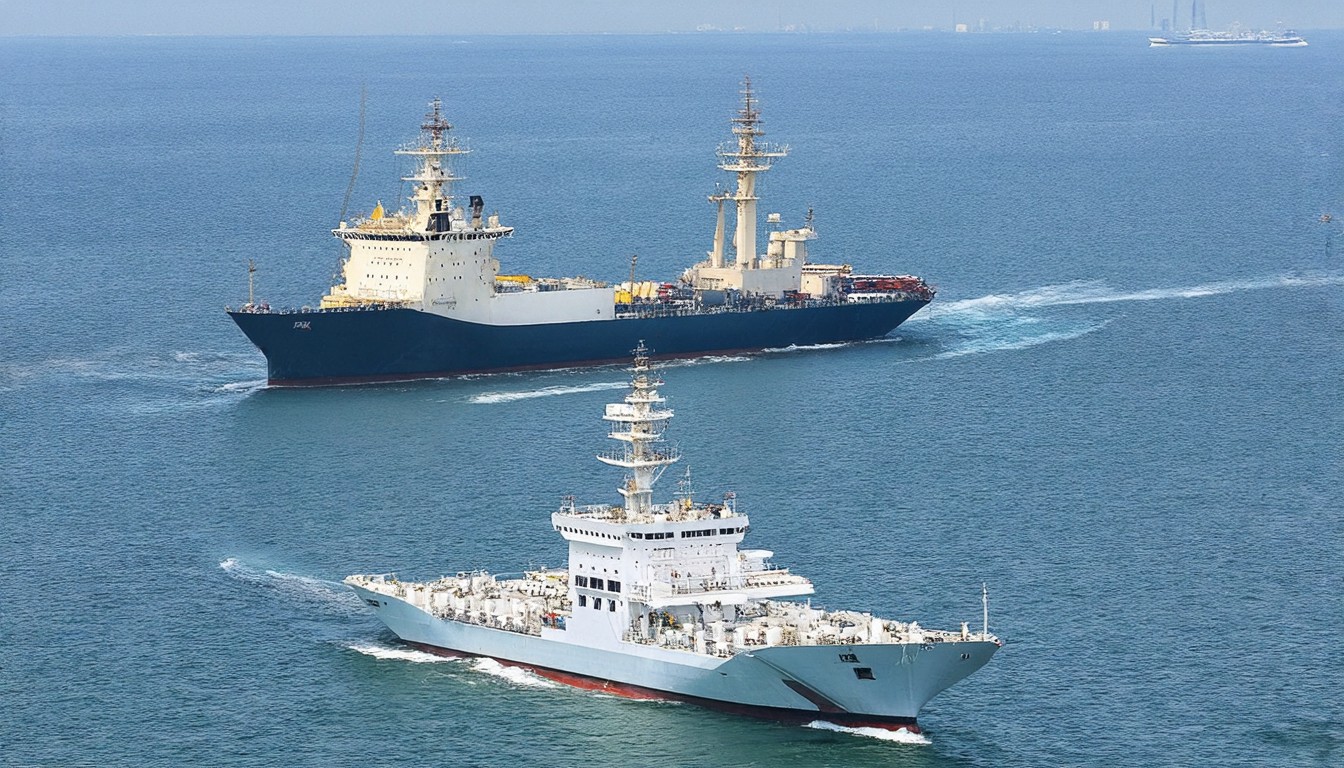
Lying between the Persian Gulf and the Gulf of Oman, the Strait of Hormuz is one of the most strategic and vital corridors for the transport of energy and has been effectively closed by Iran since the start of the war.
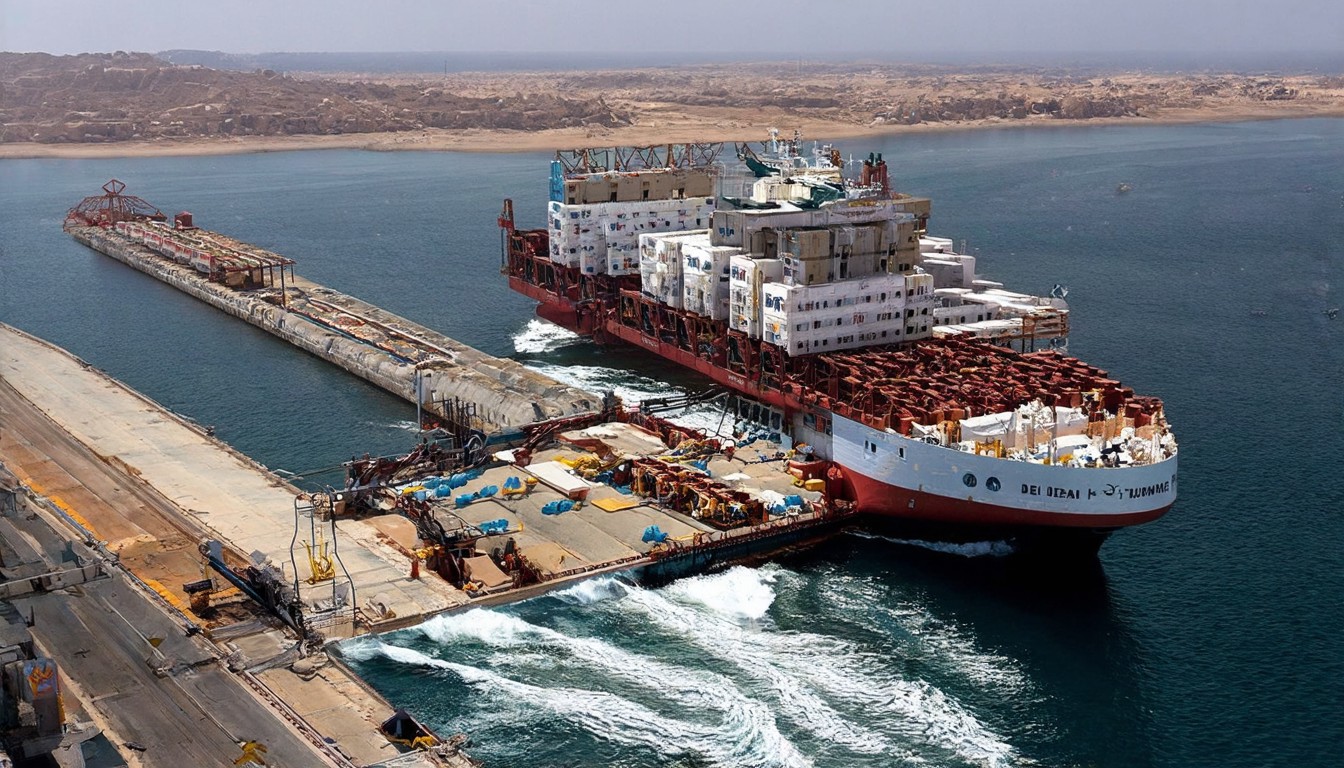
Former President Donald Trump has recently stated that the United States can reopen the Strait of Hormuz with "a little more time," while also requesting $1.5 trillion from Congress for defense spending. The Strait of Hormuz, a narrow waterway connecting the Persian Gulf and the Gulf of Oman, is a critical chokepoint for global oil and gas transportation, carrying approximately 30% of the world's daily crude oil supply. Since the beginning of the conflict, Iran has effectively closed this strategic corridor, raising concerns about global energy security and geopolitical tensions in the region.
Trump's comments come as a response to ongoing discussions about the need for increased military presence and investment in defense to counterbalance Iran's influence in the region. The administration's proposal for a massive defense budget aims to bolster the U.S. military capabilities, particularly in the Middle East, to ensure the security of vital shipping lanes and protect U.S. interests. Critics argue that the request for such a substantial sum is driven by political considerations rather than a clear strategic plan, while supporters contend that it is necessary to maintain a strong deterrent against potential aggression.
The Strait of Hormuz has been a focal point of geopolitical rivalry for decades. Its strategic importance stems from its role as a conduit for about 20 million barrels of oil per day, making it a linchpin in global energy markets. The closure of the strait by Iran has led to increased tensions, with the U.S. and its allies taking measures to safeguard the passage of commercial vessels and maintain access to the Persian Gulf.
Trump's assertion that the U.S. can reopen the strait with "a little more time" suggests a belief in the effectiveness of diplomatic efforts and military preparedness. However, the feasibility of this claim is uncertain, given the complexities of the regional conflict and the entrenched positions of both Iran and the U.S. Critics argue that the situation in the Strait of Hormuz is a result of long-standing geopolitical disputes and economic interests, which cannot be resolved through mere time or increased defense spending.
The $1.5 trillion defense request also highlights the broader implications of the U.S. military strategy in the region. The proposal includes investments in advanced weaponry, cybersecurity, and space capabilities, reflecting a shift in focus towards a more comprehensive approach to national security. Supporters of the request argue that it is essential to modernize the military to counter emerging threats, such as those posed by China and Russia, as well as regional adversaries like Iran.
However, the request has faced significant opposition, with critics questioning the priorities of the defense budget. They point out that the U.S. already spends more on defense than any other country, and that the funds could be better allocated to address domestic issues such as healthcare, education, and infrastructure. Additionally, there are concerns that increased defense spending could escalate tensions in the region, potentially leading to further instability and conflict.
In conclusion, Trump's call for reopening the Strait of Hormuz and the massive defense budget request underscore the ongoing geopolitical challenges and tensions in the Middle East. While the administration's proposal aims to bolster U.S. military capabilities and ensure regional stability, it faces scrutiny from both domestic and international stakeholders. The future of the Strait of Hormuz and the broader Middle East will likely depend on a delicate balance of diplomatic engagement, military preparedness, and economic considerations, as well as the ability of the U.S. and its allies to navigate the complexities of the region's interconnected conflicts.