
Trump says he would keep Iran's oil but Americans wouldn't understand
President Trump commented on potential proposals to end the war in Iran and said if it were up to him, he would keep Iran's oil. Mr. Trump made the comments during the White House's annual Easter Egg Roll.
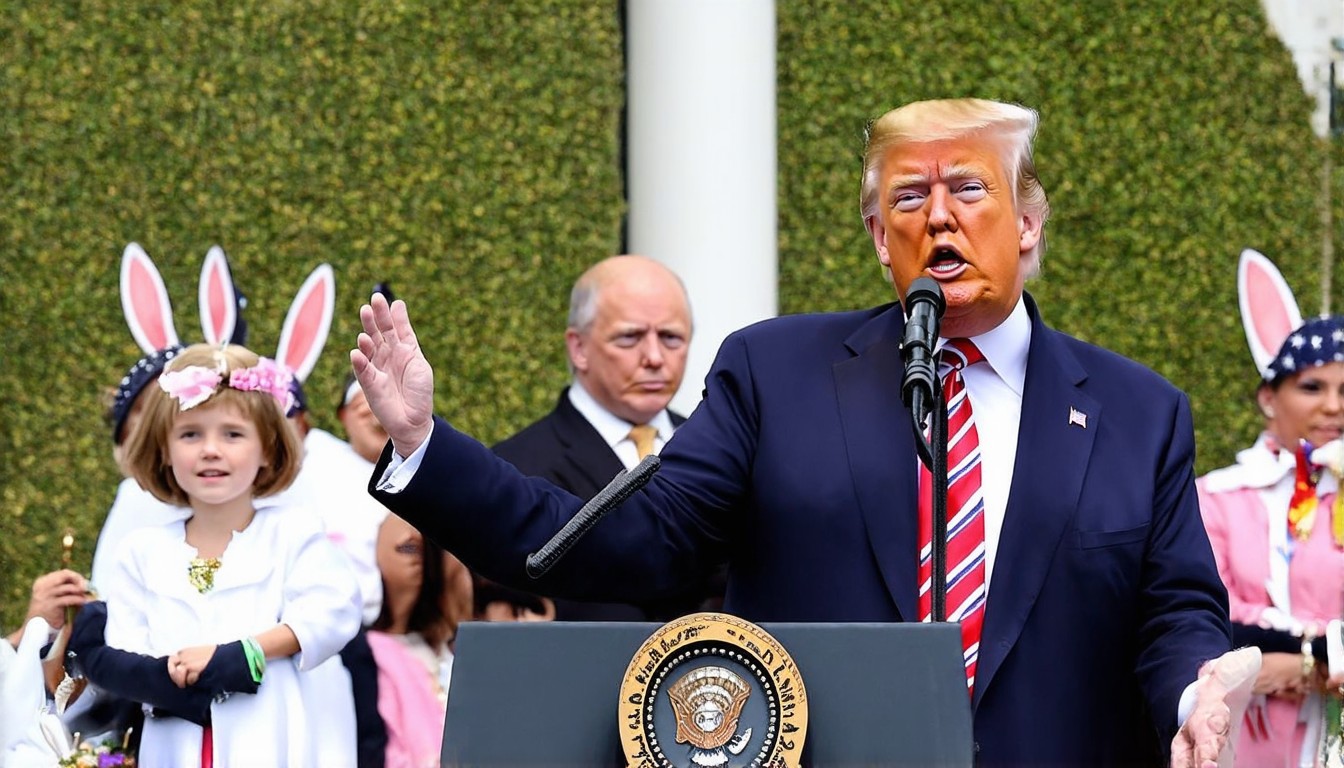
President Trump's Remarks on Keeping Iran's Oil Amidst War Proposals
During the White House's annual Easter Egg Roll, President Trump made a surprising comment about his stance on Iran's oil, suggesting that if it were up to him, he would keep Iran's oil resources. The remarks came as discussions about ending the war in Iran have gained momentum, with various proposals being debated both domestically and internationally.
The Easter Egg Roll, a traditional family-friendly event held on the White House lawn, provided an unusual backdrop for such a serious topic. However, Trump's statement was not met with immediate fanfare, as the event was primarily focused on festivities and family activities. Nonetheless, the comment has sparked interest and raised questions about the administration's approach to the ongoing conflict in Iran.
Trump's willingness to keep Iran's oil, despite ongoing tensions and sanctions, highlights his strategic priorities. The U.S. has long been concerned about Iran's nuclear program and its regional influence, which has led to a complex and multifaceted relationship between the two countries. However, the economic implications of maintaining access to Iran's oil reserves cannot be ignored.
Iran is one of the world's largest oil producers, and its reserves are estimated to be among the most significant in the region. The U.S. has historically relied on Middle Eastern oil to meet its energy needs, and the prospect of securing a steady supply from Iran could be appealing. However, the current sanctions regime, imposed in an effort to curb Iran's nuclear ambitions and regional aggression, complicates matters.
Trump's comments come at a time when there is growing pressure to find a diplomatic solution to the conflict. Some experts argue that ending the war in Iran would require a comprehensive approach that addresses both security and economic concerns. Proposals have been made to lift sanctions in exchange for concessions on Iran's nuclear program and regional behavior.
Trump's stance on keeping Iran's oil raises questions about his willingness to compromise on these issues. While he has previously expressed skepticism about the Iran nuclear deal, his administration has also faced criticism for its handling of the situation. Some critics argue that the U.S. should prioritize diplomacy and negotiation over maintaining access to Iran's oil.
The President's remarks also touch on the idea that Americans might not understand his decision-making process. This sentiment reflects a broader theme in Trump's presidency, where his policies and statements have often been met with confusion and disagreement. The Easter Egg Roll comments underscore the challenges of communicating complex foreign policy decisions to the public.
In the context of the annual Easter Egg Roll, Trump's statement serves as a stark reminder of the ongoing global tensions that shape U.S. foreign policy. While the event is designed to celebrate family and tradition, the President's words highlight the complex realities of modern diplomacy.
As discussions about ending the war in Iran continue, Trump's comments provide valuable insight into his priorities. Whether his stance on Iran's oil will influence the administration's approach to the conflict remains to be seen. However, one thing is clear: the President's remarks have added another layer of intrigue to an already complex and evolving situation.








