Trump says he wants Iran's oil and could seize Kharg Island
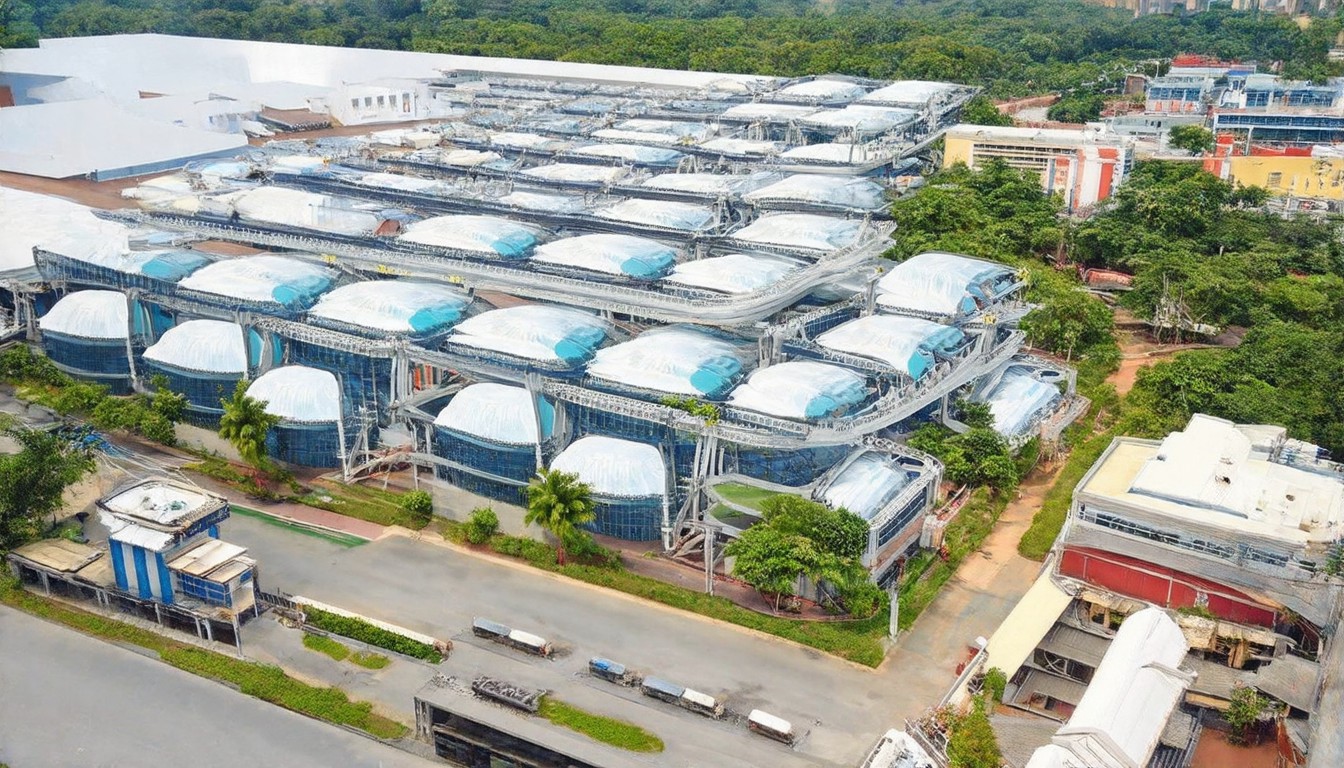
President Donald Trump said Sunday that he would like to "take the oil in Iran" and is considering seizing the export hub of Kharg Island, which is responsible for more than 90% of Iran's oil exports
On Sunday, President Donald Trump made a bold statement about his intentions regarding Iran's oil resources, suggesting that he would like to "take the oil in Iran" and is even considering seizing the strategically important Kharg Island. This export hub is responsible for more than 90% of Iran's oil exports, making it a critical asset for the country's economy.
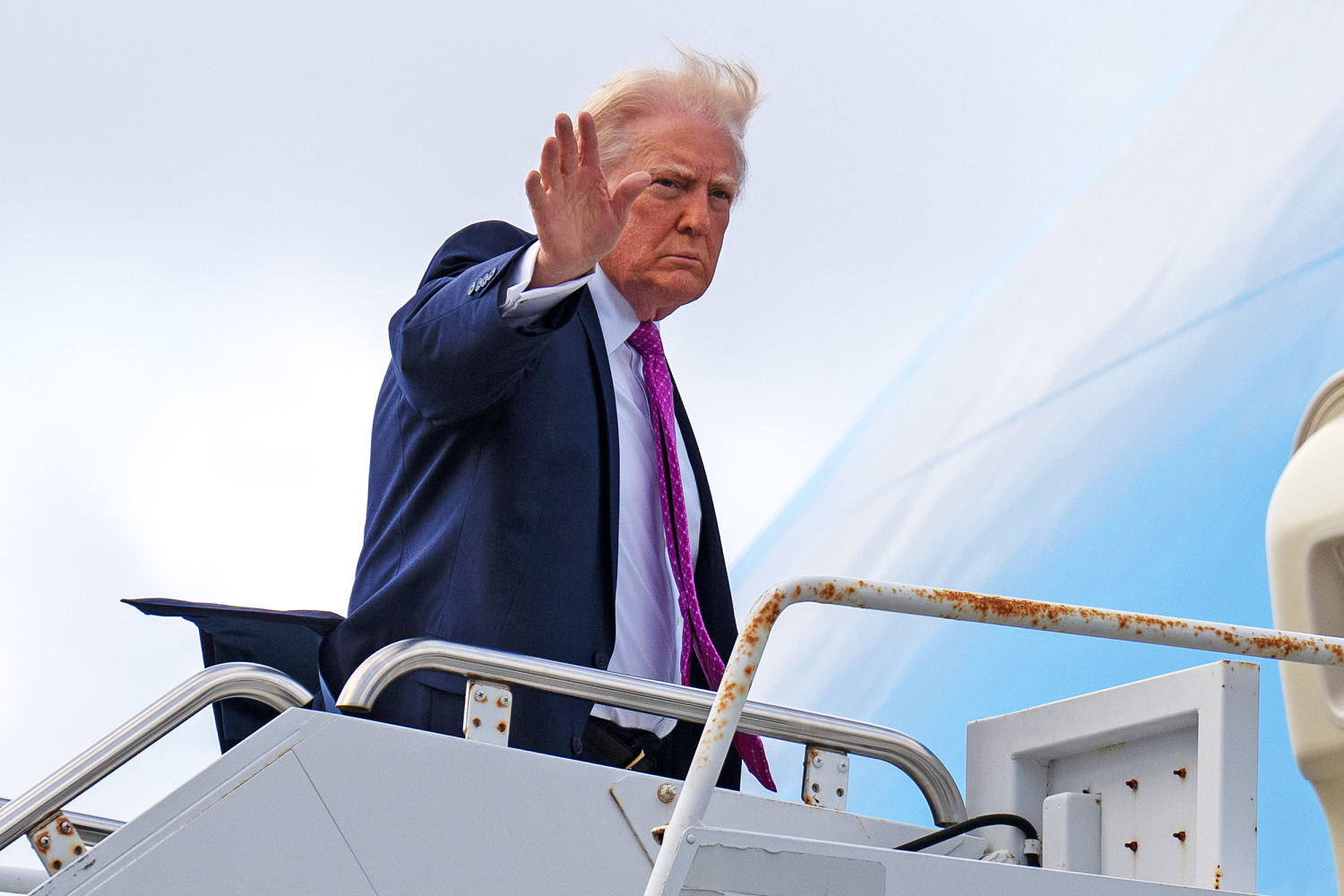
Trump's comments came as he waved goodbye to his supporters as he boarded Air Force One at Palm Beach International Airport in West Palm Beach, Florida. The president's remarks have raised concerns among international observers, as they could potentially escalate tensions between the United States and Iran, already strained by previous disputes over nuclear agreements and regional influence.
Kharg Island, located in the Persian Gulf, is not only a major oil export terminal but also a significant military base for Iran. The island's capture would have significant implications for both the global oil market and regional security dynamics. If the United States were to seize Kharg Island, it could disrupt Iran's ability to export crude oil, potentially leading to a sharp increase in global oil prices and further destabilizing the region.
Trump's desire to take Iranian oil is not a new idea. The U.S. has long been critical of Iran's oil exports, which have been used to fund its domestic and foreign policies. However, the president's explicit mention of seizing Kharg Island marks a significant escalation in his rhetoric. Critics argue that such a move could lead to a full-scale conflict with Iran, which could have far-reaching consequences for U.S. interests in the Middle East and beyond.
Iranian officials have not yet responded directly to Trump's comments, but it is likely that they will view such statements as provocative and potentially hostile. The country has a history of defending its territorial integrity, as seen in past disputes with neighboring nations and foreign powers. Any attempt by the U.S. to seize Kharg Island could be met with resistance, both militarily and diplomatically.
The U.S. government has not officially confirmed Trump's statements, but his history of using social media and informal settings to convey his policies suggests that his remarks are more than just rhetoric. If the U.S. were to pursue such a bold move, it would require careful consideration of the potential risks and benefits. On one hand, seizing Kharg Island could cripple Iran's oil exports and weaken its economic power. On the other hand, it could lead to a costly and protracted conflict that could endanger U.S. troops and civilians in the region.
The international community is likely to watch closely as tensions between the U.S. and Iran continue to rise. Allies and adversaries alike will be assessing the potential impact of Trump's statements on global oil markets, regional security, and the broader geopolitical landscape. As the situation unfolds, it remains to be seen whether the U.S. will take concrete steps to seize Kharg Island or if Trump's comments will be seen as another example of his penchant for bold rhetoric without immediate action.
In the meantime, the global oil market is likely to experience increased volatility as investors and traders weigh the potential implications of such a move. If the U.S. were to disrupt Iran's oil exports, it could lead to a shortage of crude oil, driving prices higher and causing disruptions in global supply chains. This could have ripple effects on economies around the world, particularly those heavily reliant on imported oil.
As the situation continues to develop, it is clear that Trump's comments have the potential to reshape the geopolitical landscape in the Middle East and beyond. The U.S. and Iran's relationship has been fraught with tension for years, and any further escalation could have far-reaching consequences. It will be crucial for both nations, as well as the international community, to navigate this complex situation with caution and diplomacy, seeking to avoid a costly and destabilizing conflict.