Trump says he wants Iran's oil and could seize Kharg Island
President Donald Trump said Sunday that he would like to "take the oil in Iran" and is considering seizing the export hub of Kharg Island, which is responsible for more than 90% of Iran's oil exports
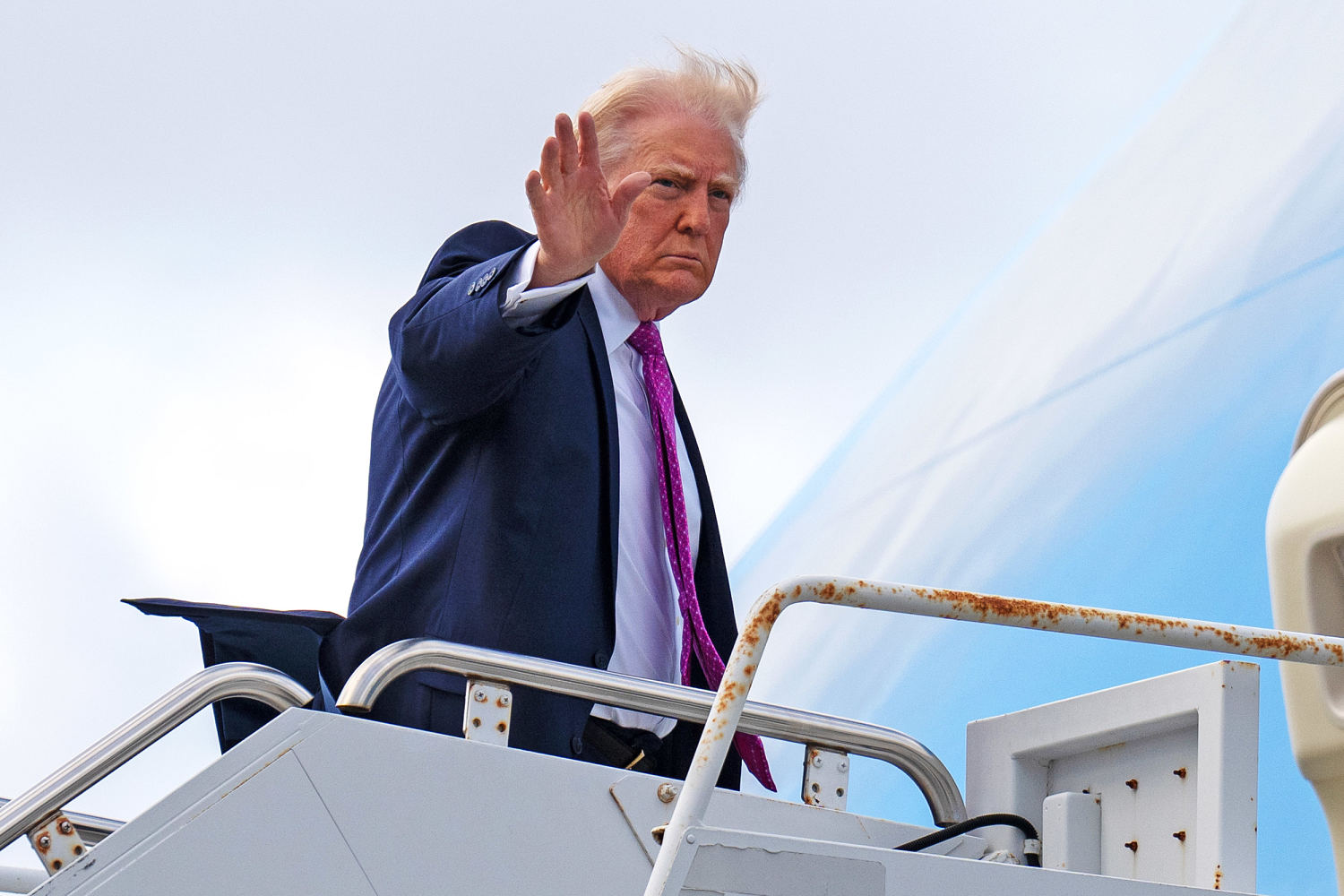
On Sunday, President Donald Trump declared his intention to "take the oil in Iran," sparking global concern and speculation about potential military actions. The statement came as Trump boarded Air Force One at Palm Beach International Airport in West Palm Beach, Florida. The president's remarks have raised questions about the stability of the Middle East and the broader implications for global oil markets.
Trump's comments specifically mentioned his consideration of seizing Kharg Island, an Iranian island that serves as a critical export hub for the country's oil. Kharg Island is home to several oil refineries and terminals, and it is responsible for more than 90% of Iran's oil exports. By targeting this strategic location, Trump aims to disrupt Iran's ability to export crude oil, thereby impacting its economy and potentially forcing the country to negotiate.
Iran has long been a contentious issue in international relations, with tensions escalating under the Trump administration. The U.S. has imposed severe sanctions on Iran in an effort to curb its nuclear program and regional influence. However, these measures have also led to significant economic challenges for Iran, which relies heavily on oil exports for revenue.
The prospect of seizing Kharg Island is not without its risks. The island is located in the Persian Gulf, a region of strategic importance for global shipping and oil trade. A military operation in this area could lead to increased tensions with Iran and potentially involve other nations with interests in the region, such as Saudi Arabia, the United Arab Emirates, and Qatar.
Moreover, the U.S. military has a history of operations in the Persian Gulf, including the 1991 Gulf War and ongoing efforts to counter Iranian influence. However, any new action would require careful planning and execution to avoid unintended consequences.
Trump's announcement has been met with mixed reactions. Supporters argue that seizing Kharg Island would be a decisive move to pressure Iran and protect U.S. national security interests. Critics, however, warn that such a move could escalate tensions to dangerous levels and lead to a full-scale conflict.
The Iranian government has not yet responded directly to Trump's comments, but it is likely that the statement will be viewed with alarm in Tehran. Iran has a long history of resistance to foreign intervention, and any perceived threat to its sovereignty could prompt a strong response.
In the broader context of global oil markets, the potential disruption of Iranian oil exports could lead to increased prices and supply chain challenges. Iran is the world's second-largest non-OPEC oil producer, and any significant reduction in its output could have ripple effects across economies reliant on affordable energy.
As tensions mount, the international community is closely monitoring the situation. The European Union and other allies of Iran are likely to be concerned about the potential impact on global energy security and regional stability.
In conclusion, President Trump's statement about seizing Iran's oil and targeting Kharg Island has ignited a complex web of geopolitical and economic implications. The U.S. and its allies must carefully consider the potential consequences of such an action, while Iran and its supporters prepare for the possibility of increased pressure. The future of the Persian Gulf and global oil markets now hinges on the delicate balance of power in the region.