
Trump Revels in Threats to Commit War Crimes in Iran
The president said he would bomb Iran “back to the Stone Ages.” Until this administration, American leaders had insisted they were trying to follow international law in war.
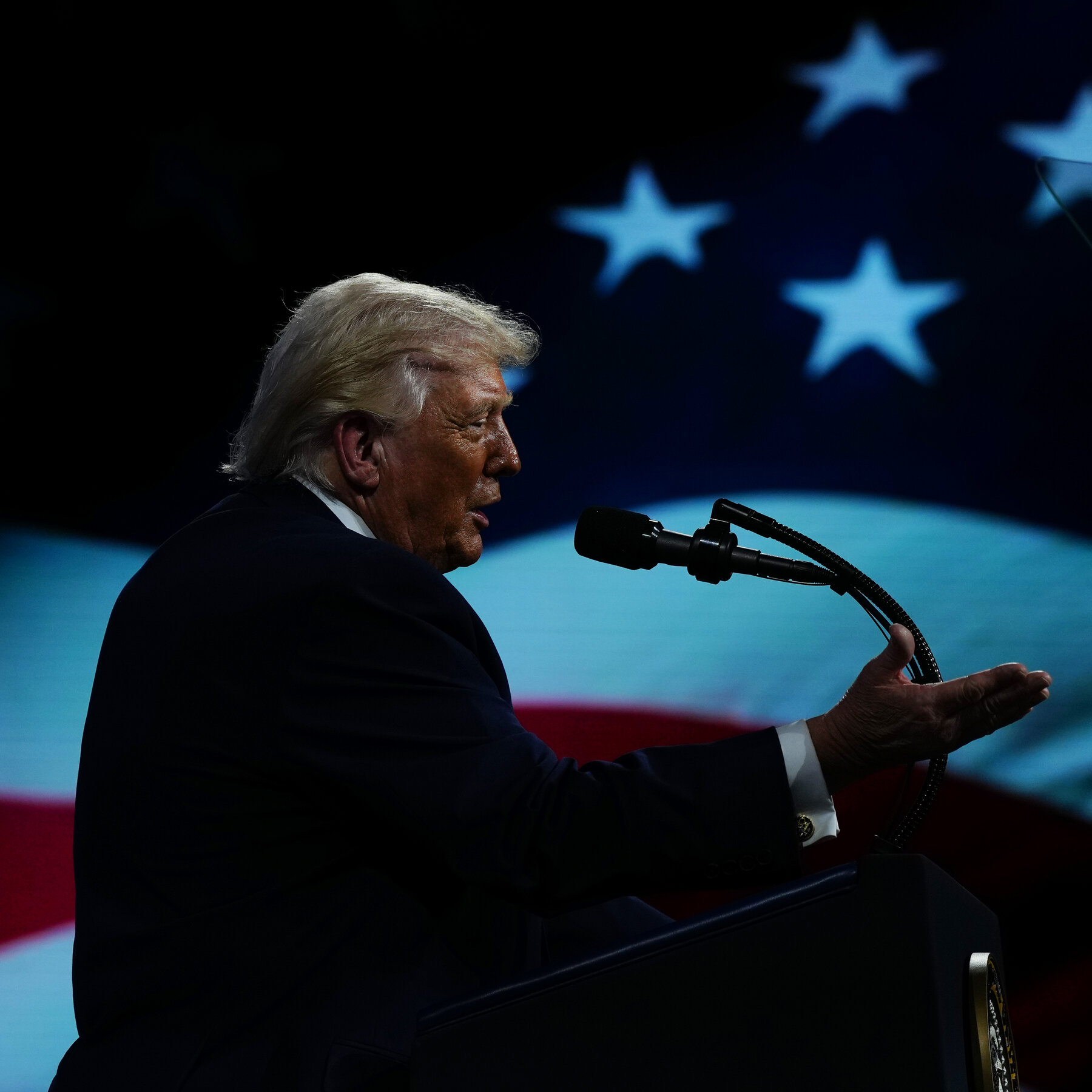
President Donald Trump has recently escalated tensions with Iran by threatening to commit war crimes, as he vowed to bomb the country “back to the Stone Ages” and declared that “all Hell will reign down” on Iran unless it opens the Strait of Hormuz. This stark shift in rhetoric marks a significant departure from the approach of previous administrations, which had emphasized adherence to international law in their dealings with adversaries.
In a series of tweets, Trump warned that the United States would take military action against Iran if it did not immediately reverse its actions. He stated that the U.S. would “bomb Iran” and bring it to its knees, implying a willingness to disregard the Geneva Conventions and other international agreements that govern the conduct of war. This unprecedented threat has raised concerns among experts and diplomats about the potential consequences of such a move, including the possibility of a full-scale conflict in the Middle East.
Historically, American leaders have been cautious in their use of force, often prioritizing diplomatic solutions and legal frameworks to avoid escalating tensions. For instance, during the Gulf War in 1991, the U.S. sought authorization from the United Nations before launching military operations. Similarly, in the 2003 invasion of Iraq, the Bush administration argued that Iraq posed an imminent threat to global security, which provided a legal basis for their actions under the UN Charter.
However, Trump’s administration has taken a more aggressive stance, with the president frequently dismissing the importance of international law and institutions. In a recent speech, Trump criticized the United Nations for being “a club for people who hate America,” further signaling his disdain for multilateral agreements and norms. This disregard for international law has led to increased tensions with allies and adversaries alike, as it undermines the global order that has been in place since World War II.
The threat to bomb Iran and bring it “back to the Stone Ages” specifically targets the country’s oil infrastructure, which is critical for global energy markets. The Strait of Hormuz, a narrow waterway between the Persian Gulf and the Gulf of Oman, is a chokepoint for about 30% of global oil shipments. By threatening to disrupt this vital route, Trump is not only targeting Iran’s economy but also risking global energy security and potentially triggering a price spike.
Critics argue that such a move could lead to a full-scale conflict, drawing in regional powers like Saudi Arabia and Qatar, as well as non-state actors such as Hezbollah and Iranian-backed militias in Syria. This could result in a prolonged and costly war that would strain U.S. military and economic resources, as well as endanger American troops and civilians in the region.
Moreover, committing war crimes could have severe legal and political repercussions for the U.S. and its allies. Under international law, individuals and states can be held accountable for violations of the Geneva Conventions, which prohibit the deliberate targeting of civilians, the use of prohibited weapons, and the destruction of civilian infrastructure. If the U.S. were to engage in such actions, it could face prosecution in international courts and face significant diplomatic isolation.
In addition to the legal and political risks, there is the question of whether such a strategy would achieve its objectives. Iran’s leadership has shown resilience in the face of sanctions and threats, and a military escalation could backfire, uniting the country’s populace around its government and further destabilizing the region.
As tensions mount, the international community is urging the U.S. to reconsider its approach and explore diplomatic alternatives. European allies, particularly Germany and France, have called for a return to the Iran nuclear deal, which was abandoned by the Trump administration in 2018. They argue that engaging in dialogue and negotiations is a more effective way to address Iran’s nuclear program and other concerns.
Despite these appeals, Trump remains unwavering in his threats, insisting that force is the only language Iran understands. His administration has also imposed new sanctions on Iranian banks and energy sectors, further isolating the country and straining its economy.
In conclusion, President Trump’s willingness to threaten war crimes in Iran marks a significant departure from the norms and legal frameworks that have guided U.S. foreign policy for decades. This aggressive stance risks triggering a full-scale conflict, destabilizing the region, and undermining the global order. As the world watches with growing concern, the question remains: will the U.S. act on its threats, or will it ultimately seek a diplomatic resolution to the crisis?









