Trump Requests $1.5 Trillion for Military Spending
The huge proposed increase would be partly offset by steep cuts to domestic programs, some of which the Trump administration describes as wasteful.
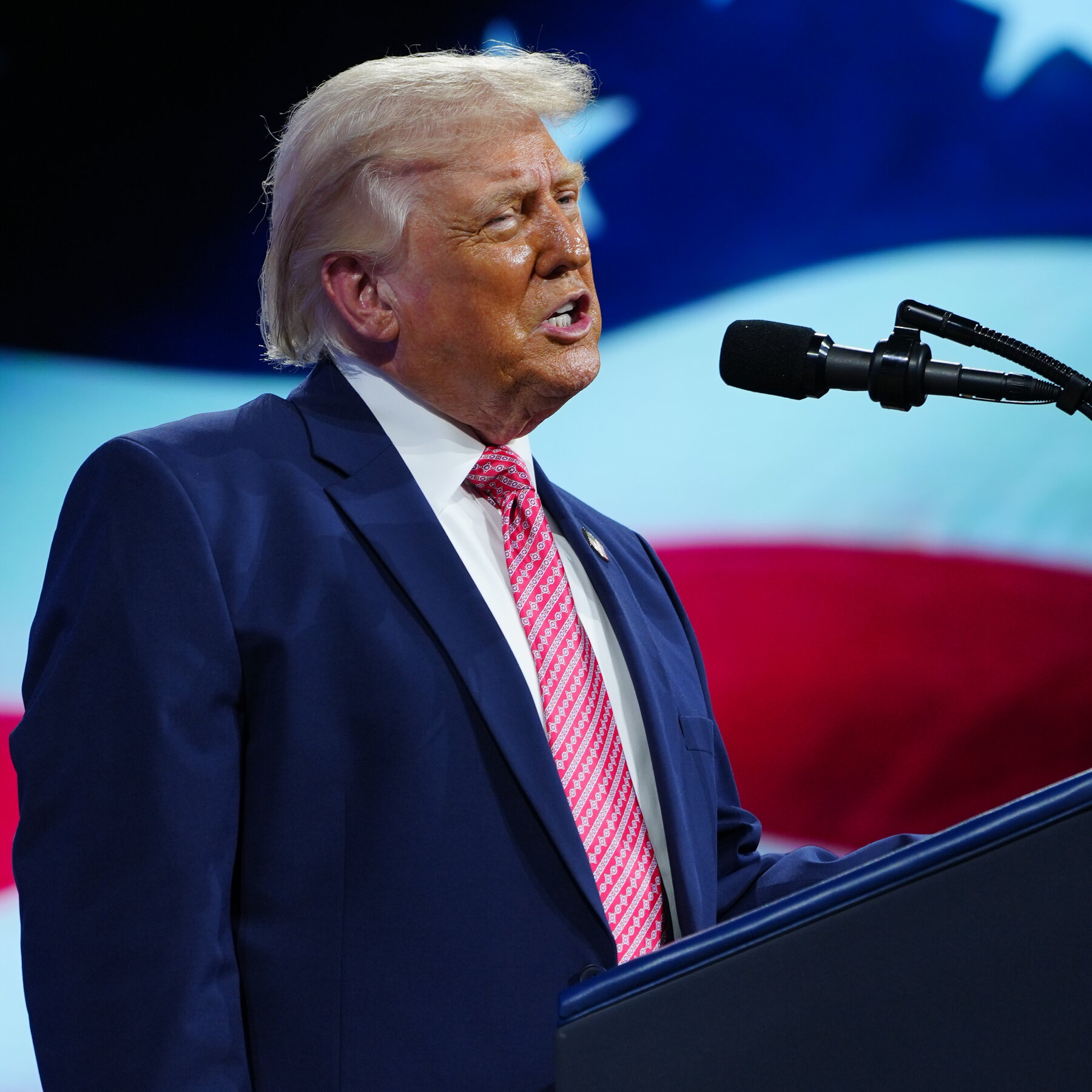
President Donald Trump has proposed a significant increase in military spending, requesting a staggering $1.5 trillion for defense over the next decade. This ambitious proposal, which has been framed by the administration as a matter of urgent necessity, aims to bolster the nation's military capabilities and address longstanding concerns about readiness and modernization. However, the plan also involves substantial cuts to domestic programs, some of which the Trump administration labels as wasteful, in an effort to offset the massive defense expenditure.
The proposed $1.5 trillion budget for defense represents a substantial increase from current levels, reflecting Trump's long-standing commitment to prioritizing national security. The administration argues that this investment is critical to countering global threats, including those posed by adversaries such as Russia and China, as well as addressing challenges from terrorism and regional instability. By significantly boosting military spending, the Trump administration hopes to modernize the armed forces, enhance cybersecurity capabilities, and bolster infrastructure and personnel.
However, the proposed budget also includes steep cuts to domestic programs, a move that has drawn criticism from critics who argue that these reductions could harm vulnerable populations and undermine essential services. The administration's justification for these cuts centers on the idea that many domestic programs are inefficient or wasteful, and that redirecting funds to defense is a necessary step to ensure the nation's security. Critics, on the other hand, contend that these cuts could lead to negative consequences, such as reduced access to healthcare, education, and social services, particularly for low-income families and communities of color.
The administration's framing of the defense budget increase as a matter of urgency has been a central theme of Trump's rhetoric. In numerous speeches and public statements, the president has emphasized the need for a robust military presence to deter adversaries and protect American interests. This message has resonated with many Republicans, who have traditionally supported increased defense spending as a priority. However, Democrats have been more skeptical, arguing that the proposed cuts to domestic programs could exacerbate existing inequalities and that the focus on military spending does not address the root causes of global instability.
The proposed $1.5 trillion defense budget is likely to face significant scrutiny and debate in Congress, where lawmakers will weigh the administration's arguments about national security against concerns about the impact of domestic program cuts. Critics of the proposal have pointed out that the United States already spends more on defense than any other country in the world, and that a further increase could strain the federal budget and contribute to growing national debt.
In addition to the defense budget, the Trump administration's proposed budget also includes cuts to other areas, such as science and technology programs, environmental protections, and international aid. These reductions have been met with criticism from scientists, environmentalists, and humanitarian organizations, who argue that they could harm long-term national interests and global stability.
Despite the controversy surrounding the proposed defense budget, the Trump administration remains committed to its vision of a stronger, more capable military. The administration's stance on the issue reflects a broader ideological approach to governance that prioritizes national security and traditional conservative values over social programs and international cooperation.
In conclusion, President Trump's request for a $1.5 trillion increase in military spending over the next decade reflects a bold and controversial vision for national security. While the administration argues that this investment is necessary to counter global threats and modernize the military, critics contend that the proposed cuts to domestic programs could have detrimental effects on vulnerable populations and essential services. The debate over this proposal is likely to continue in Congress, where lawmakers will grapple with the complex interplay between defense priorities and domestic needs.