
Trump renews threat to ‘decimate’ Iran as Tuesday deadline looms
US president says power plants and bridges will be attacked if Tehran does not open Strait of Hormuz
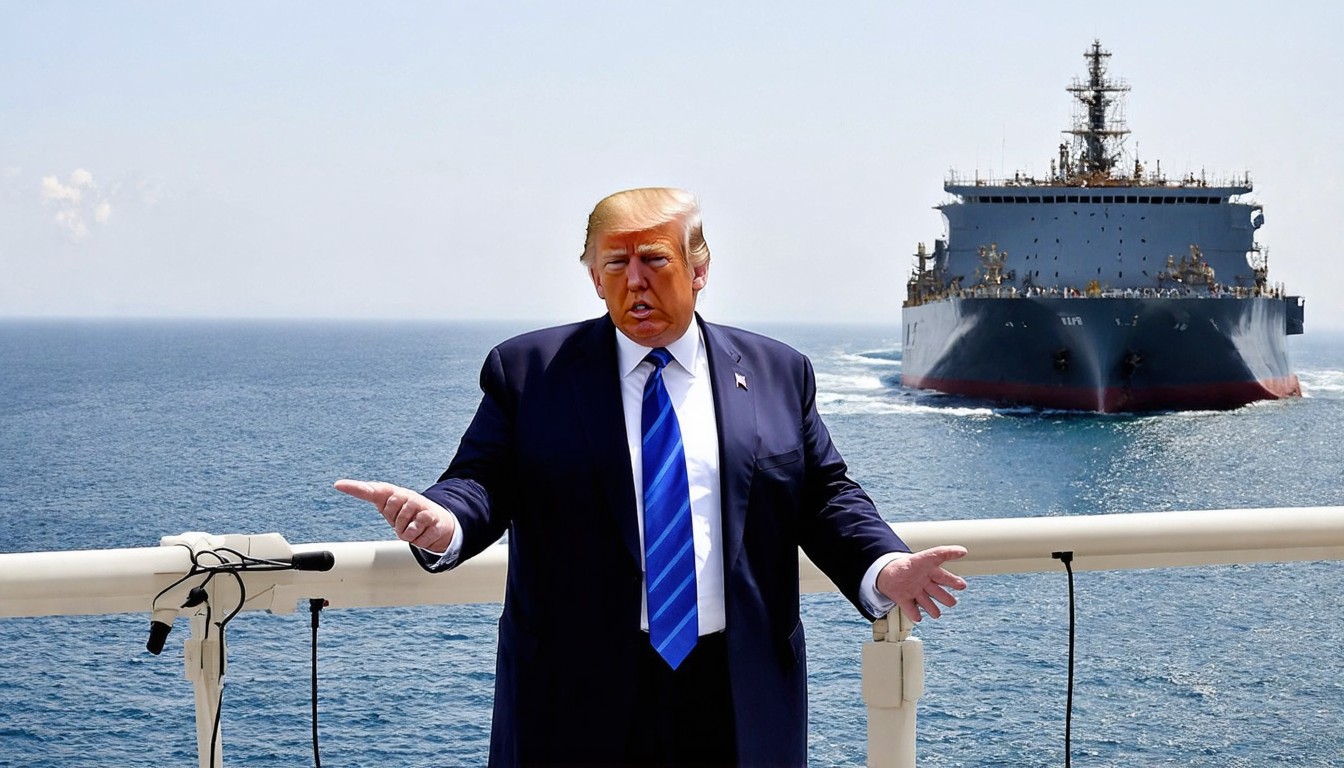
As tensions between the United States and Iran continue to escalate, President Donald Trump has once again threatened to "decimate" the Iranian nation if it does not comply with his demands by a looming Tuesday deadline. In a series of tweets, the president warned that if Tehran fails to open the Strait of Hormuz, the U.S. would target Iranian power plants and bridges, potentially crippling the country's infrastructure and economy.
The Strait of Hormuz, a narrow waterway between the Persian Gulf and the Gulf of Oman, is a critical chokepoint for global oil supplies, with approximately 30% of the world's daily crude oil production passing through it. The U.S. has long viewed the strait as a strategic asset, and its closure could lead to significant disruptions in global energy markets, potentially causing spikes in oil prices and economic instability worldwide.
Trump's threats come amid a complex backdrop of U.S.-Iran relations, which have deteriorated sharply since the 2018 withdrawal from the Iran nuclear deal. The president has accused Iran of violating the agreement and has imposed severe economic sanctions, including an oil embargo, to pressure Tehran into negotiating a new deal. In response, Iran has increased its military posture in the region, engaging in provocative actions such as seizing U.S. oil tankers and threatening to retaliate against any attack on its sovereign territory.
The recent escalation in rhetoric has raised concerns among international observers, who warn that a miscalculation or accident could lead to a full-blown conflict. European allies, particularly those heavily reliant on Middle Eastern oil, have urged both sides to exercise restraint. The European Union has called for a diplomatic solution, emphasizing the need to avoid further destabilization in an already volatile region.
Iranian officials have dismissed Trump's threats as bluster, insisting that their military capabilities are sufficient to deter any U.S. aggression. Supreme Leader Ayatollah Ali Khamenei has warned that any attack on Iran would result in a "catastrophic" response, while Foreign Minister Mohammad Javad Zarif has accused the U.S. of attempting to "impose its will" through coercion.
Despite these assurances, the U.S. has bolstered its military presence in the region, deploying additional troops and aircraft carriers to the Persian Gulf. The Pentagon has also reportedly prepared plans for a potential military operation against Iran, should the need arise.
Critics of Trump's hardline approach argue that his aggressive rhetoric risks further escalating tensions and pushing Iran toward a confrontation it may not be able to win. They point to the devastating consequences of the 2003 Iraq War, which was sparked by similar accusations of weapons of mass destruction. Others contend that the U.S. must act decisively to counter Iran's perceived aggression and protect its strategic interests in the region.
As the Tuesday deadline approaches, the international community watches with bated breath, hoping for a diplomatic breakthrough that can avert the looming crisis. Both sides have indicated a willingness to engage in talks, but the path to a lasting agreement remains uncertain. The stakes are high, with the potential for a regional conflict that could have far-reaching implications for global security and the global economy.
In the meantime, the world braces for the possibility of a sudden outbreak of violence, as tensions between the U.S. and Iran reach new heights. The future of the Strait of Hormuz and the broader Middle East hangs in the balance, with the fate of millions of people and the stability of global markets at stake.








