Trump proposes steep cut to NASA budget as astronauts head for the Moon
Congress will likely reject the White House's NASA cuts, just as it did last year.

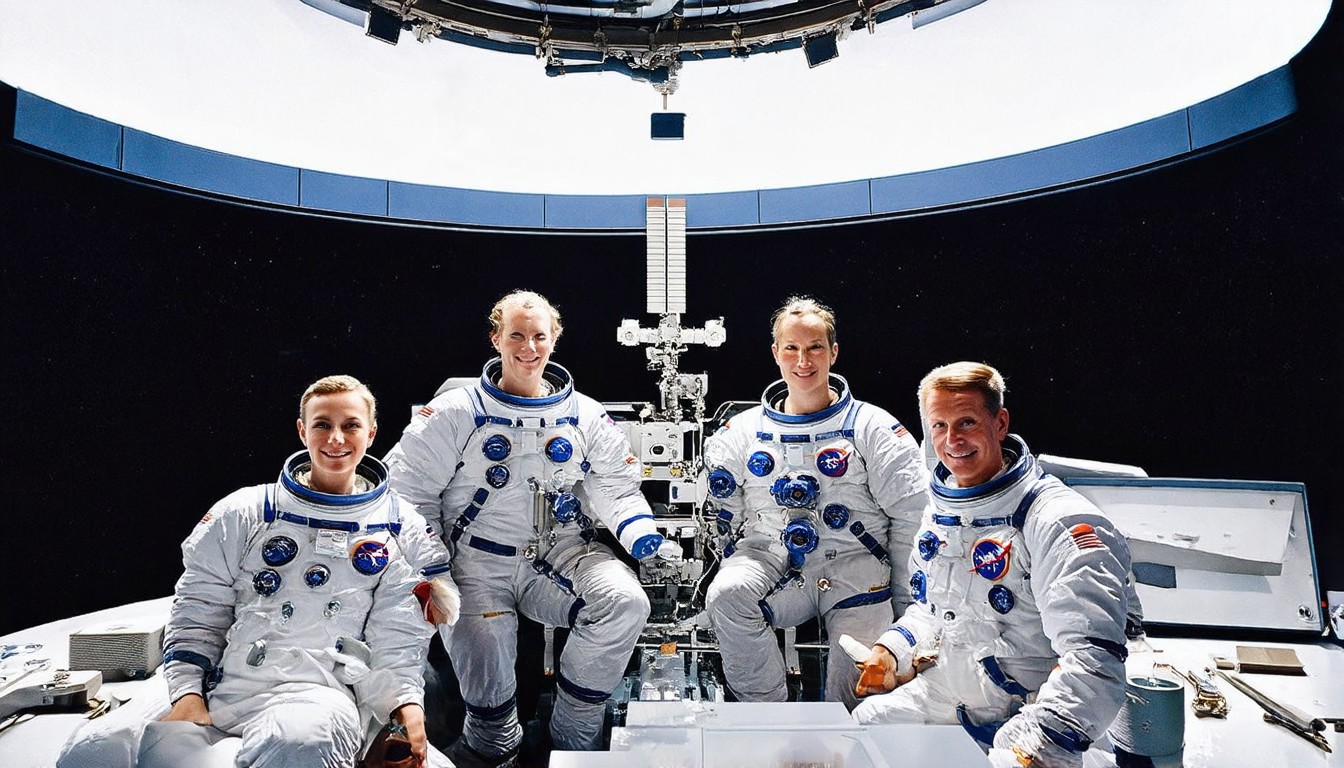
President Donald Trump has proposed a significant reduction in NASA's budget, despite the agency's recent successful launch of four astronauts on the first crewed lunar mission in over half a century. The proposed 23 percent cut, outlined in a budget blueprint released on Friday, marks the second consecutive year that the Trump administration has sought to drastically reduce NASA's funding. This move comes as the agency is at a pivotal moment in its history, with the recent lunar mission highlighting the importance of space exploration.
The spending proposal for fiscal year 2027, which begins on October 1, is the first step in a multi-month budget process that will involve both houses of Congress. The final budget will need to be passed by Congress and then signed by President Trump. However, history suggests that Congress may not be inclined to support the administration's cuts. Last year, the Republican-led Congress overwhelmingly rejected a similar proposal and maintained NASA's budget at a level close to that of the final year of the Biden administration.
The timing of the proposed cuts is particularly striking, as it follows the successful launch of the crewed lunar mission. This mission, which marked a significant milestone in space exploration, underscores the importance of continued investment in NASA. Despite this, the Trump administration's budget proposal seeks to reduce NASA's funding, potentially impacting ongoing and future projects.
The budget process will likely see significant changes as Congress considers the proposal. Last year's budget proposal was altered substantially by Congress, and it is expected that the same will happen this year. The Republican-led Congress, which previously rejected the cuts, may once again prioritize NASA's role in space exploration and reject the proposed reductions.
The proposed cuts to NASA's budget are part of a broader trend of reduced federal spending that has been a hallmark of the Trump administration. However, the agency's critical role in advancing space exploration and its recent successes have garnered bipartisan support. As the budget process unfolds, it remains to be seen whether Congress will side with the administration's proposed cuts or prioritize the importance of NASA's mission.
In the coming months, lawmakers will weigh the potential benefits of reduced funding against the long-term impact of such cuts on NASA's ability to carry out its missions. The agency's recent achievements, including the successful lunar launch, serve as a reminder of the importance of continued investment in space exploration. As the budget process continues, it will be crucial for Congress to balance fiscal responsibility with the need to support NASA's critical work in advancing human knowledge and capabilities in space.
Despite the administration's proposal, the outlook for NASA's budget remains uncertain. The Republican-led Congress has shown a willingness to resist significant cuts, and it is likely that the final budget will reflect a compromise between the administration's proposed reductions and Congress's priorities. The agency's recent successes and the importance of its mission will likely play a significant role in shaping the final decision.
In conclusion, President Trump's proposed 23 percent cut to NASA's budget is the second consecutive year that the administration has sought to reduce the agency's funding. However, the Republican-led Congress has previously rejected similar proposals, and it is likely that the final budget will reflect a compromise. The agency's recent achievements, including the successful lunar mission, underscore the importance of continued investment in NASA, and lawmakers will need to balance fiscal concerns with the need to support the agency's critical work in space exploration. The outcome of the budget process will have a significant impact on NASA's future and its ability to advance human knowledge and capabilities in space.