
Trump Pledged a Quick End to the Iran War, but He Hasn’t Explained How
President Trump bet that American firepower could cow Iran into compliance. So far, Iran’s leaders have been unwilling to quit.
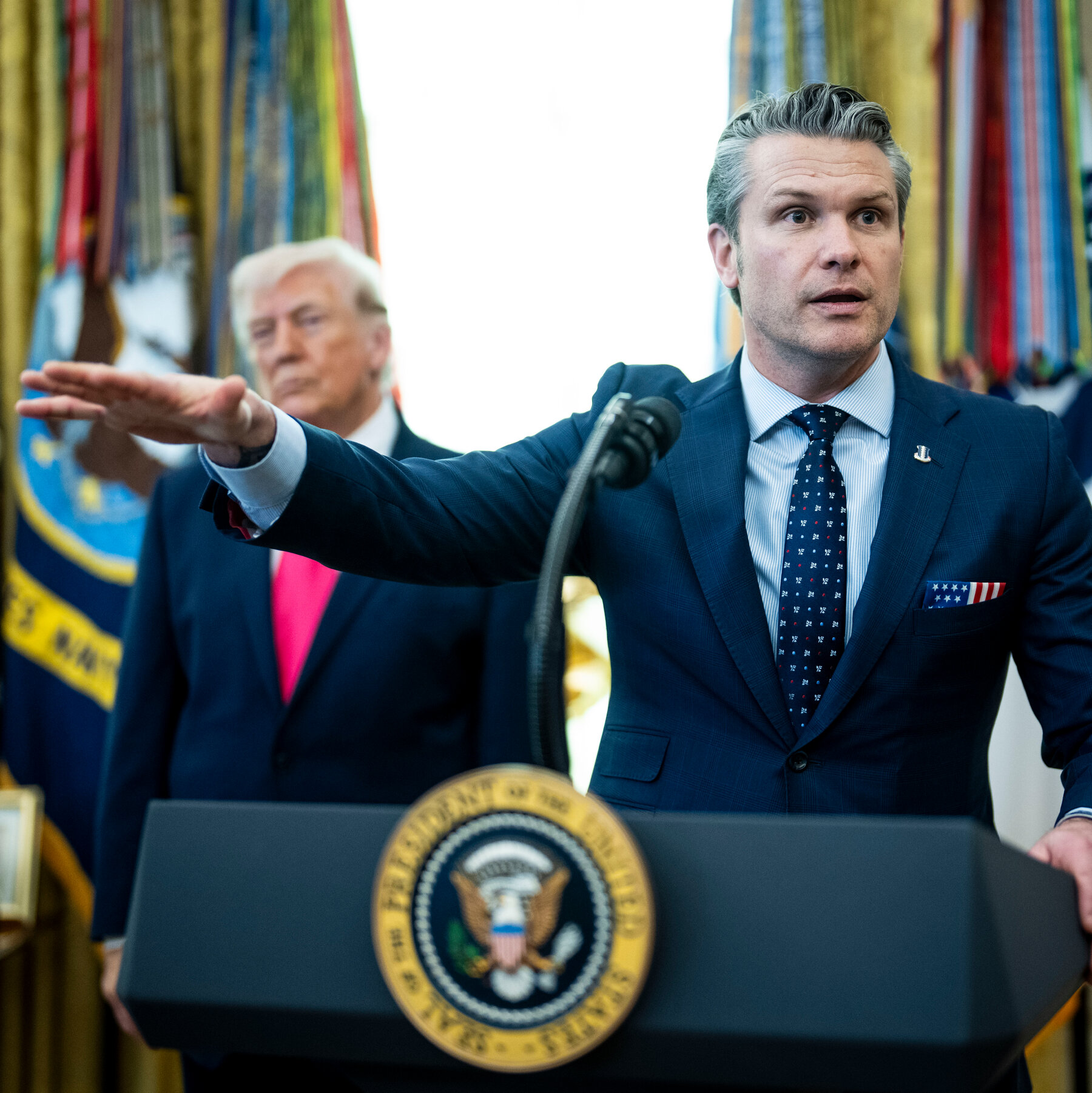
President Trump's administration has been embroiled in a complex conflict with Iran since the U.S. conducted airstrikes on five targets in the country in retaliation for the attack on a U.S. oil tanker in the Gulf of Oman. The administration framed these actions as a decisive move to deter further aggression, but as the war enters its fifth week, questions about the path forward have intensified. Trump initially promised a swift resolution, but neither he nor Defense Secretary Pete Hegseth has provided a clear explanation of how the conflict will conclude.
From the outset, Trump's strategy appeared to hinge on the power of American military might to intimidate Iranian leaders into backing down. The administration's narrative focused on the overwhelming firepower of the U.S. military, suggesting that any further provocations would be met with severe consequences. However, despite the initial airstrikes, Iranian officials have remained defiant, refusing to concede or alter their actions. This has left many wondering how the U.S. plans to achieve its objectives without further escalation.
The lack of a clear exit strategy has raised concerns among experts and lawmakers. Critics argue that the administration's approach risks emboldening Iran, as it appears that the U.S. is unwilling or unable to articulate a coherent plan for de-escalation. Some analysts suggest that the administration may be relying on a combination of economic pressure and diplomatic efforts, but these measures have not yet yielded tangible results.
Additionally, the absence of a detailed roadmap for ending the conflict has complicated efforts to secure bipartisan support in Congress. Lawmakers from both parties have expressed frustration with the administration's opacity, particularly given the potential for prolonged military involvement or further hostilities. This uncertainty has fueled debates about the appropriateness of the U.S. response and the potential for unintended consequences.
In an attempt to address these concerns, the administration has emphasized its focus on economic sanctions and diplomatic channels. Trump has repeatedly called for negotiations with Iran, but the Iranian government has shown little interest in engaging in meaningful dialogue. Meanwhile, the U.S. has imposed additional sanctions on Iranian entities and individuals, aiming to cripple the country's economy and force concessions. However, the effectiveness of these measures remains uncertain, as Iran has demonstrated resilience in the face of previous sanctions.
Moreover, the administration's refusal to outline a clear timeline for ending the conflict has raised questions about its commitment to the process. Some observers speculate that the U.S. may be waiting for Iran to make the first move, but this approach risks prolonging the standoff and increasing tensions in the region. Others suggest that the administration may be preparing for a more aggressive military posture, but such a move could have severe repercussions, potentially leading to a full-scale war.
As the situation continues to evolve, the lack of transparency from the Trump administration has only deepened the uncertainties surrounding the Iran War. With no clear path to resolution in sight, the international community is left to navigate a precarious situation fraught with potential dangers. The stakes are high, and the consequences of a miscalculation could be far-reaching, affecting not only the Middle East but also global security and economic stability.
In conclusion, President Trump's administration has found itself in a precarious position as it struggles to articulate a viable strategy for ending the Iran War. The administration's reliance on military force and economic pressure has so far failed to yield the desired results, leaving many to question the effectiveness of its approach. As the conflict drags on, the need for a clear and credible plan to de-escalate the situation becomes increasingly urgent. Without a coherent strategy, the risk of further escalation and unintended consequences grows, posing significant challenges for the U.S. and the international community.









