
Trump moves to scrap utility bill aid for Americans, as soaring energy costs hit over $1,000 on average this winter
The White House is moving to scrap a program that helps low-income people pay their utility bills at a time when Americans’ energy costs are surging.
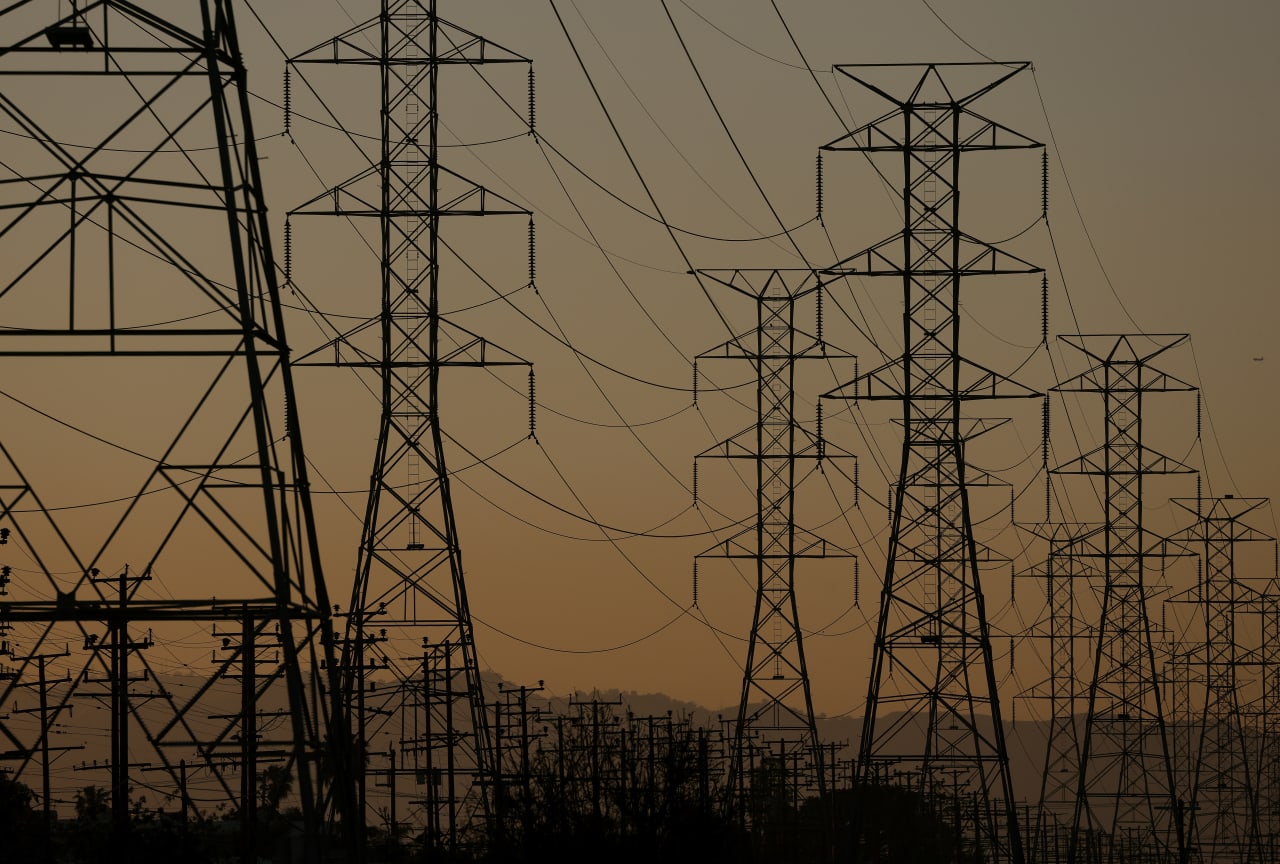
The White House has announced plans to discontinue a program designed to assist low-income households in covering their utility bills, as energy costs across the United States continue to surge, reaching an average of over $1,000 this winter. This decision comes as millions of Americans are struggling to keep up with soaring energy expenses, which have been driven by global supply chain disruptions, geopolitical tensions, and rising commodity prices.
The utility bill aid program, established to provide relief during periods of high energy costs, was initially introduced to support vulnerable populations. However, recent budgetary constraints and shifting political priorities have led to its cancellation. Officials at the White House have stated that the decision is part of a broader effort to streamline federal spending and focus on other areas of economic support. Critics argue that this move leaves many low-income families without adequate protection against the financial burden of escalating energy bills.
The sudden spike in energy costs has been particularly devastating for households in colder climates, where heating and cooling demands are higher. Many residents in these regions have reported receiving utility bills that are 50% or more higher than last winter. This has forced many families to make difficult choices, such as reducing their use of essential services like heating and hot water, or even facing the possibility of eviction if they are unable to pay their bills on time.
Advocates for low-income communities have expressed concern over the potential long-term consequences of this decision. They argue that the cancellation of the utility aid program will exacerbate existing inequalities and deepen the energy poverty faced by many Americans. Additionally, they warn that the lack of support could lead to increased reliance on unsanitary heating methods, such as burning wood or trash, which poses significant health and environmental risks.
In response to the growing crisis, some state and local governments have implemented their own relief measures. For example, California has expanded its energy assistance program, while New York has increased funding for low-income households to cover utility costs. However, these efforts are often insufficient to meet the needs of all affected populations, and many Americans are left without adequate support.
Energy experts have pointed to several factors contributing to the current surge in energy costs. The global supply chain disruptions caused by the pandemic have limited the availability of key energy resources, such as natural gas and coal. Furthermore, geopolitical tensions, particularly in regions that are major energy producers, have led to increased volatility in global markets. Additionally, the decision by OPEC+ to maintain lower production levels has contributed to higher commodity prices.
As the winter months draw to a close, the impact of soaring energy costs on American households remains a significant concern. The cancellation of the utility bill aid program has left many vulnerable populations without the necessary support to weather this financial storm. While some states are stepping in to provide relief, the scale of the problem is vast, and the long-term effects on low-income communities remain uncertain. The decision to scrap the program underscores the ongoing challenges faced by the administration in balancing fiscal responsibility with the needs of those most in need.








