Trump Keeps Gambling With the Economy — And Getting Away With It
President Donald Trump has taken one risk after another that could have destabilized the American economy. Iran is the latest crisis to test U.S. economic resilience.
President Donald Trump's tenure has been marked by a series of bold, high-stakes decisions that have tested the resilience of the American economy. From tariffs and trade wars to tax cuts and deregulation, each move has carried significant risks, yet Trump has managed to navigate these challenges with aplomb, often leaving critics wondering how he keeps getting away with it. The latest crisis to test the U.S. economic resilience is the escalating tensions with Iran, which have sent shockwaves through global markets.
Trump's approach to economic policy has been characterized by a willingness to take calculated risks, often prioritizing short-term gains over long-term stability. His decision to impose tariffs on China, for instance, sparked a trade war that threatened to disrupt global supply chains and slow economic growth. Despite initial concerns, the U.S. economy managed to absorb the shock, largely due to its diversified nature and the stimulus provided by tax cuts. However, the long-term effects of this trade war remain uncertain, as tensions continue to simmer between the two superpowers.
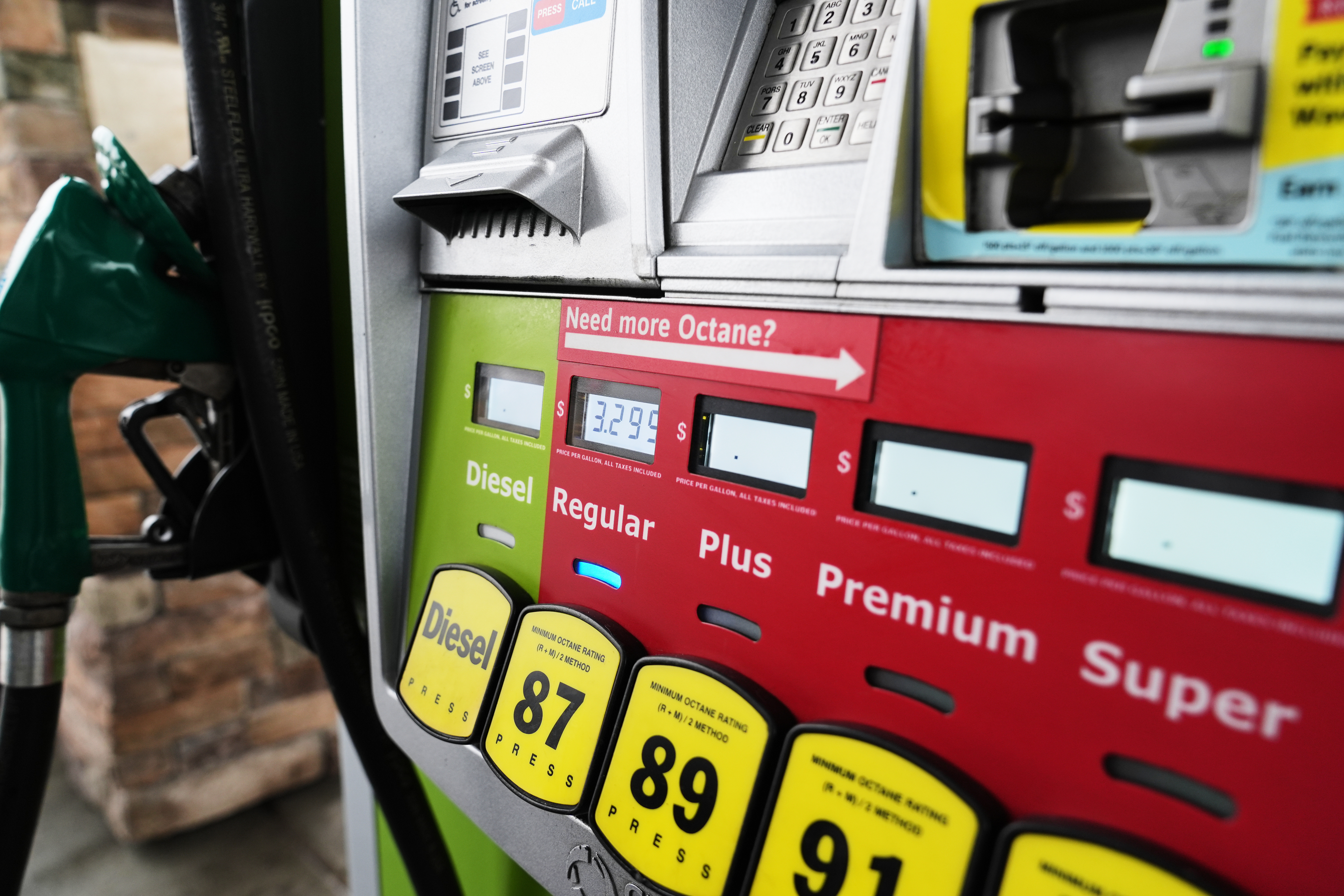
The Iran situation presents a similar challenge. Trump's decision to withdraw from the Iran nuclear deal in 2018 and impose new sanctions has aimed to curb Iran's nuclear program and pressure the government to change. However, the sanctions have also disrupted oil markets, leading to increased gas prices and concerns about inflation. Additionally, the risk of a full-scale conflict with Iran could have severe implications for global oil supplies and economic stability.
Despite these risks, Trump has maintained confidence in the U.S. economy's ability to withstand such shocks. His administration has argued that the robust consumer confidence and low unemployment rates are evidence of economic strength. Critics, however, warn that this resilience may be temporary and that the costs of these risks could become apparent in the future.
The question of how Trump has managed to keep getting away with these risks is a complex one. Some attribute it to the strong performance of the stock market during his presidency, which has helped to bolster his political standing. Others point to the fact that many of these risks have not yet materialized, allowing Trump to avoid the full consequences of his decisions.
Moreover, the U.S. economy's size and complexity have played a role in its ability to absorb these shocks. The diversification of industries and the strength of the consumer market have helped to buffer the economy from the brunt of these risks. Additionally, the Federal Reserve's ability to adjust interest rates and provide liquidity has also been a stabilizing factor.
However, the ongoing tensions with Iran highlight the limits of this resilience. If a full-scale conflict were to escalate, the impact on global oil prices and supply chains could be significant. This, in turn, could lead to inflation, higher interest rates, and a slowdown in economic growth.
In conclusion, President Trump's willingness to take risks with the economy has been a defining feature of his presidency. While the U.S. economy has managed to withstand these challenges so far, the long-term consequences remain uncertain. The latest test, with Iran, underscores the need for careful navigation of global tensions and the importance of economic stability in the face of geopolitical risks. As the world watches, the question of how much longer Trump can keep gambling with the economy's future remains a critical one.