
Trump issues stark warning to Iran: Reopen Strait of Hormuz or face US strikes on power plants and bridges on Tuesday
In a post on Truth Social, Trump said: “Tuesday will be Power Plant Day, and Bridge Day, all wrapped up in one, in Iran… Open the Strait… or you’ll be living in Hell.”
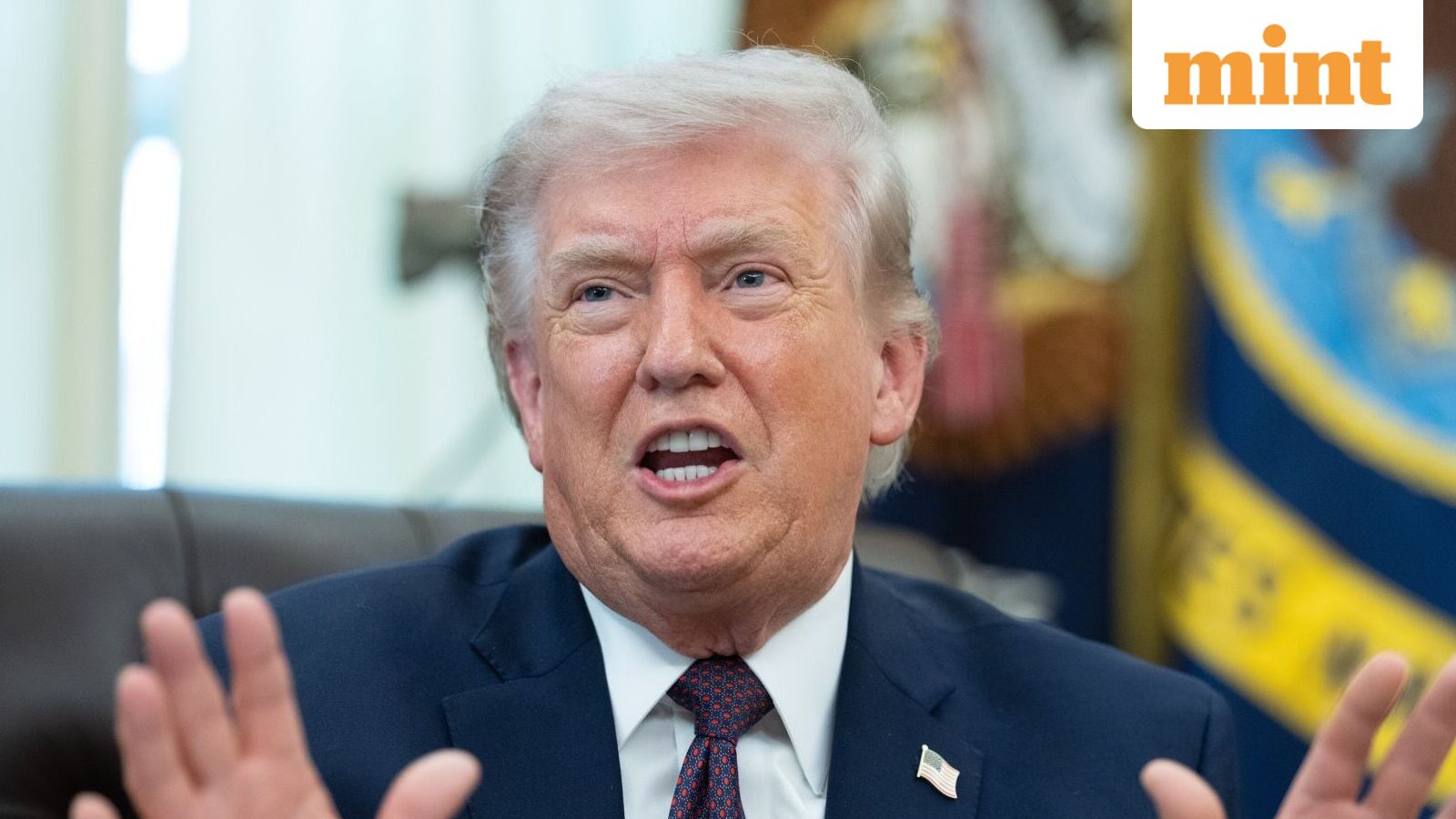
On Monday evening, former U.S. President Donald Trump issued a stark warning to Iran via his social media platform, Truth Social. In a post that has since garnered significant attention, Trump declared that "Tuesday will be Power Plant Day, and Bridge Day, all wrapped up in one, in Iran… Open the Strait… or you’ll be living in Hell." This statement comes as tensions between the United States and Iran continue to escalate, particularly over the strategic Strait of Hormuz.
The Strait of Hormuz, a narrow waterway between the Persian Gulf and the Gulf of Oman, is a critical chokepoint for global oil supply. Approximately 30% of the world’s crude oil, including a significant portion of Europe’s energy supply, passes through this strait. Iran has long maintained control over the strait, and the U.S. has expressed concerns about the potential for Iranian attacks on shipping or oil infrastructure in the region.
In his post, Trump did not specify the nature of the imminent U.S. strikes, but his reference to "Power Plant Day" and "Bridge Day" suggests that the U.S. could be planning targeted attacks on Iranian power facilities and infrastructure. Such actions would likely aim to disrupt Iran’s energy production and distribution capabilities, as well as its transportation networks.
The warning comes amid a complex geopolitical landscape. Since the U.S. withdrawal from the 2015 Iran nuclear deal, tensions between the two nations have risen sharply. In recent months, the U.S. has accused Iran of increasing its nuclear enrichment activities, while Iran has accused the U.S. of supporting regional insurgent groups. Additionally, the U.S. has imposed new sanctions on Iran, targeting its oil and gas industries, which have been struggling due to the global shift towards renewable energy sources.
Iranian officials have not yet responded directly to Trump’s warning, but the country’s state media outlets have previously dismissed such threats as empty rhetoric. However, the U.S. has not ruled out military action in the region, with officials expressing concerns about Iran’s potential to disrupt global oil supplies.
The Trump administration’s stance on Iran has been a point of contention within the U.S. political landscape. Critics argue that Trump’s aggressive rhetoric could escalate tensions and lead to a full-blown conflict, which could have far-reaching consequences for global energy markets and regional stability. Supporters, on the other hand, contend that a strong U.S. response is necessary to counter Iran’s alleged aggression and protect U.S. interests in the Middle East.
The situation in the Strait of Hormuz has also drawn attention from other global powers, particularly those reliant on the strait for their oil imports. European nations, in particular, have expressed concerns about the potential impact of any disruption to the strait on their energy supplies. The European Union has called for diplomatic solutions to resolve the tensions between the U.S. and Iran, emphasizing the need to avoid any actions that could lead to an armed conflict.
In the days following Trump’s warning, the U.S. has been closely monitoring the situation in the Strait of Hormuz. Military officials have reported increased U.S. naval presence in the region, with several warships and aircraft carriers deployed to the area. The U.S. has also warned its allies and partners about the potential risks posed by Iranian actions in the strait.
Iran, for its part, has continued to assert its right to control the strait, which it views as a vital component of its national security. The country has also accused the U.S. of engaging in provocative behavior in the region, including the deployment of military forces and the support of regional insurgent groups.
As tensions mount, the international community is closely watching the situation, hoping for a diplomatic resolution that avoids further escalation. The U.S. and Iran have engaged in indirect negotiations, with European diplomats mediating discussions aimed at reducing tensions and finding a path forward.
In conclusion, Trump’s warning to Iran highlights the ongoing tensions between the two nations, particularly over the Strait of Hormuz. The U.S. has expressed its determination to protect global oil supplies and counter Iranian aggression, while Iran maintains its right to control the strait. The situation remains volatile, with the potential for military action on both sides. The international community is urging diplomatic solutions to resolve the crisis and prevent further escalation, which could have severe consequences for global energy markets and regional stability.








