
Trump, Israel pressure Iran ahead of deadline as search goes on for missing U.S. crew member
U.S. President Donald Trump and Israel on Saturday stepped up pressure on Iran to open the strategic Strait of Hormuz waterway or face attacks on its energy infrastructure,…
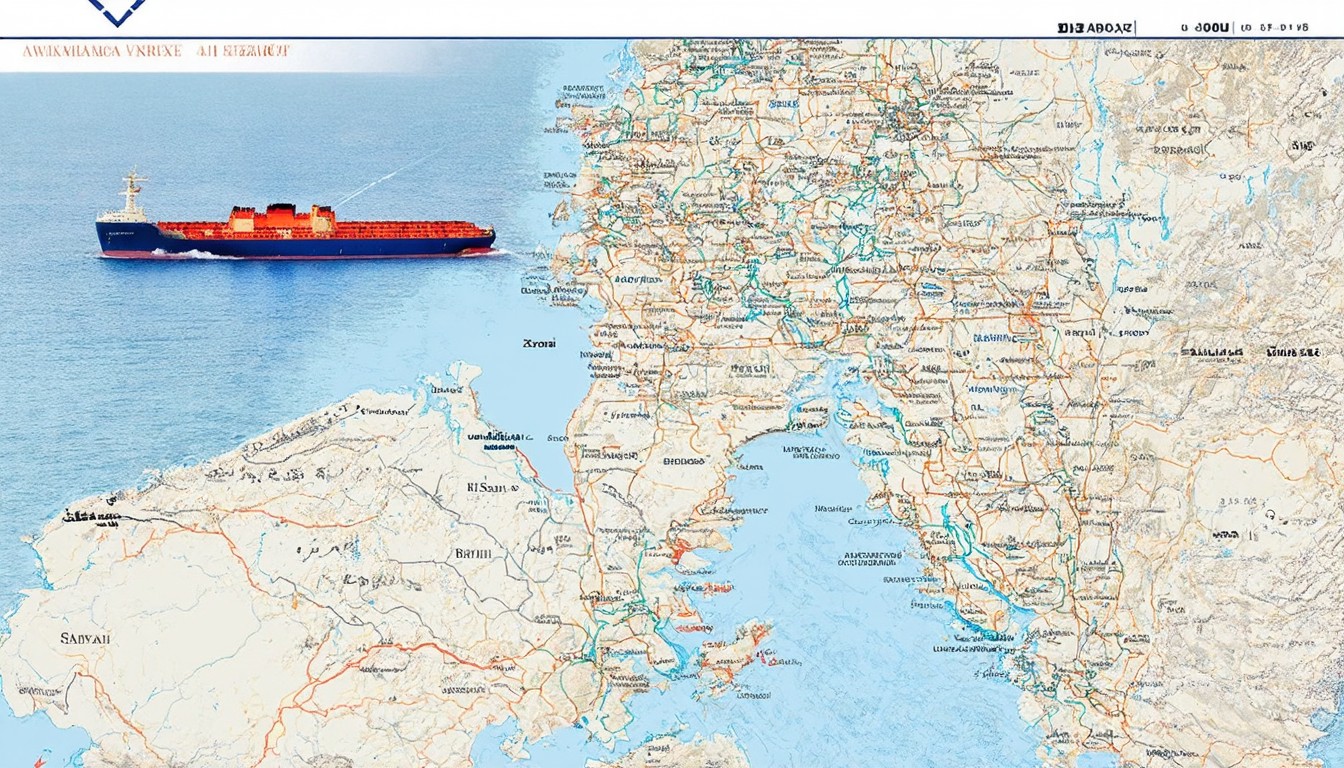
U.S. President Donald Trump and Israeli officials have escalated pressure on Iran, demanding that the country open the strategic Strait of Hormuz or face potential attacks on its energy infrastructure. This comes as the search for a missing U.S. crew member continues, with tensions rising between the two nations over recent events in the region.
The Strait of Hormuz, a narrow waterway connecting the Persian Gulf to the Gulf of Oman, is a critical chokepoint for global oil and gas shipments, with approximately 30% of the world's daily oil supply passing through it. In recent weeks, Iran has been accused of interfering with shipping in the area, leading to concerns among the U.S. and its allies about the safety of international trade routes.
In a series of tweets, President Trump warned Iran that it must act swiftly to resolve the situation in the Strait of Hormuz, emphasizing that the United States would not tolerate further disruptions. He also highlighted the importance of the region's energy supply, stating that any attacks on U.S. interests would be met with "severe consequences."
Israeli officials have joined the U.S. in calling for Iran to cease its activities in the Strait of Hormuz. Israeli Defense Minister Benny Gantz stated that the region's stability is crucial for both Israel and the international community, and that Iran's actions pose a significant threat to this stability. Israeli intelligence has long been concerned about Iran's nuclear program and its regional ambitions, and the recent escalation in tensions has heightened these concerns.
The situation has become even more complex with the disappearance of a U.S. crew member, whose whereabouts remain unknown. U.S. officials have accused Iran of involvement in the incident, though Tehran has denied any responsibility. This has further strained relations between the two nations, with the U.S. now considering military options to address Iran's actions in the region.
Iranian officials have dismissed the U.S. and Israeli threats, insisting that their activities in the Strait of Hormuz are purely defensive and aimed at protecting their sovereign rights. They have also accused the U.S. of attempting to destabilize the region and exploit the situation for its own geopolitical interests.
The international community is closely monitoring the situation, with many countries relying on the Strait of Hormuz for their energy needs. European and Asian nations, in particular, have expressed concerns about the potential impact of any disruptions on global oil markets.
As the deadline for Iran to address the situation approaches, the U.S. and Israel are preparing for a range of possible outcomes. Military officials have been assessing potential targets in Iran's energy infrastructure, while diplomats continue to engage in backchannel communications with Tehran.
The situation in the Strait of Hormuz has become a focal point for global tensions, with the U.S. and Israel determined to protect their interests and maintain regional stability. The missing U.S. crew member's case adds an additional layer of urgency to the situation, as both nations seek to resolve the crisis before it escalates further.
In the coming days, it will be crucial to see how Iran responds to the mounting pressure from the U.S. and Israel. The fate of the Strait of Hormuz and the safety of international shipping will depend on Tehran's actions, as well as the ability of the international community to manage the escalating tensions in the region.








