
Trump ignores biggest reasons his AI data center buildout is failing
Nearly 50% of data center projects delayed as China holds key to power infrastructure.
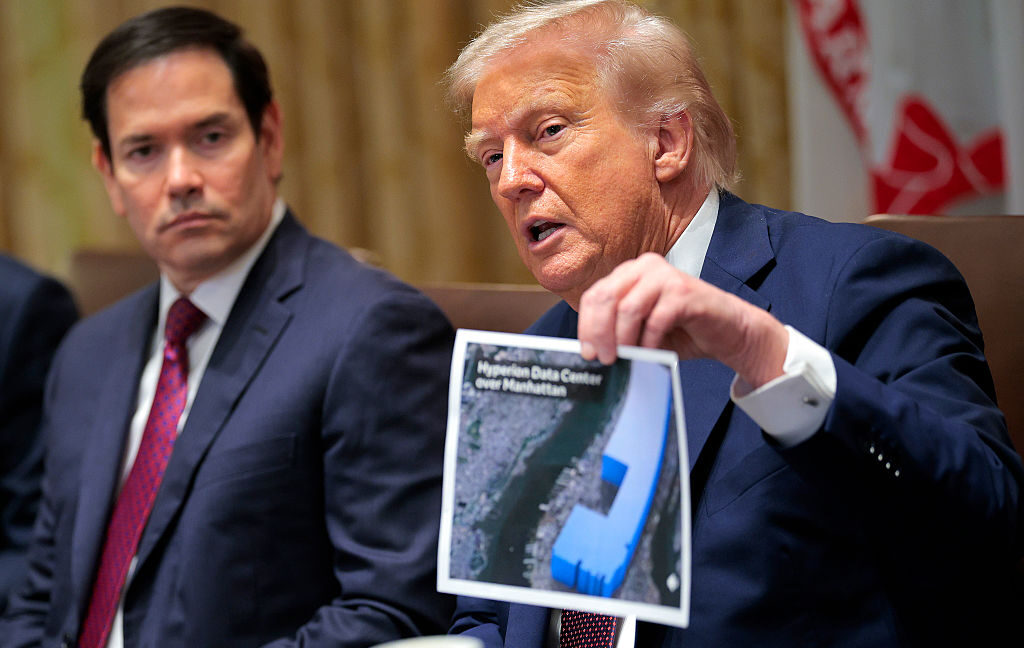
Donald Trump's ambitious plan to rapidly build AI data centers in the United States is facing significant challenges, as delays and cancellations mount due to reliance on Chinese components. Last year, the president declared the construction of AI data centers as a top priority, aiming to secure a competitive edge in the global AI race against China. However, his aggressive tariffs on Chinese imports have inadvertently hindered progress, as developers struggle to import essential equipment like transformers, switchgear, and batteries.
According to a recent Bloomberg report, nearly half of the US data centers planned for this year are expected to be delayed or canceled. This development is a stark reminder of the complexities involved in the AI race, as the US grapples with the consequences of its trade policies. The tariffs, which were intended to reduce dependency on Chinese goods, have inadvertently created bottlenecks in the power infrastructure required for data centers.
The situation is particularly problematic because data centers are critical to the functioning of modern technology. They house the servers that power the internet, enabling everything from cloud computing to artificial intelligence applications. As the demand for AI technologies continues to grow, so too does the need for robust data centers. However, the current delays threaten to slow down progress, giving China an opportunity to maintain its lead in the AI sector.
The reliance on Chinese components is not entirely unexpected. China has long been a dominant player in the production of transformers, switchgear, and batteries, which are essential for powering data centers. The US has historically benefited from this supply chain, but the recent shift in trade policies has created uncertainty. As a result, developers are facing challenges in sourcing these components, leading to delays and cancellations.
Trump's administration has been working to address these issues, but progress has been slow. Efforts to diversify the supply chain and encourage domestic production of critical components are underway, but it may take time for these initiatives to bear fruit. In the meantime, the delays in data center construction are likely to have ripple effects across industries that depend on AI technologies.
The situation also highlights the broader implications of trade policies on technological advancement. While the US aims to reduce its dependency on foreign technology, the consequences can be complex. The tariffs on Chinese imports have created unintended challenges, demonstrating the need for a balanced approach to trade and technology.
As the AI race intensifies, the stakes could not be higher. The delays in data center construction are a significant setback for the US, potentially giving China an advantage in the global competition. For Trump, this is a stark reminder that the path to technological dominance is fraught with challenges, and that the consequences of his policies may not always align with his intentions.
In conclusion, the aggressive tariffs imposed by the Trump administration have inadvertently hindered the construction of AI data centers in the US. With nearly half of the planned data centers facing delays or cancellations due to reliance on Chinese components, the US is facing significant hurdles in its quest to lead the AI race. As the situation unfolds, it remains to be seen whether the administration can navigate these challenges and ensure the continued growth of AI technologies within the country.









