
Trump ignores biggest reasons his AI data center buildout is failing
Nearly 50% of data center projects delayed as China holds key to power infrastructure.
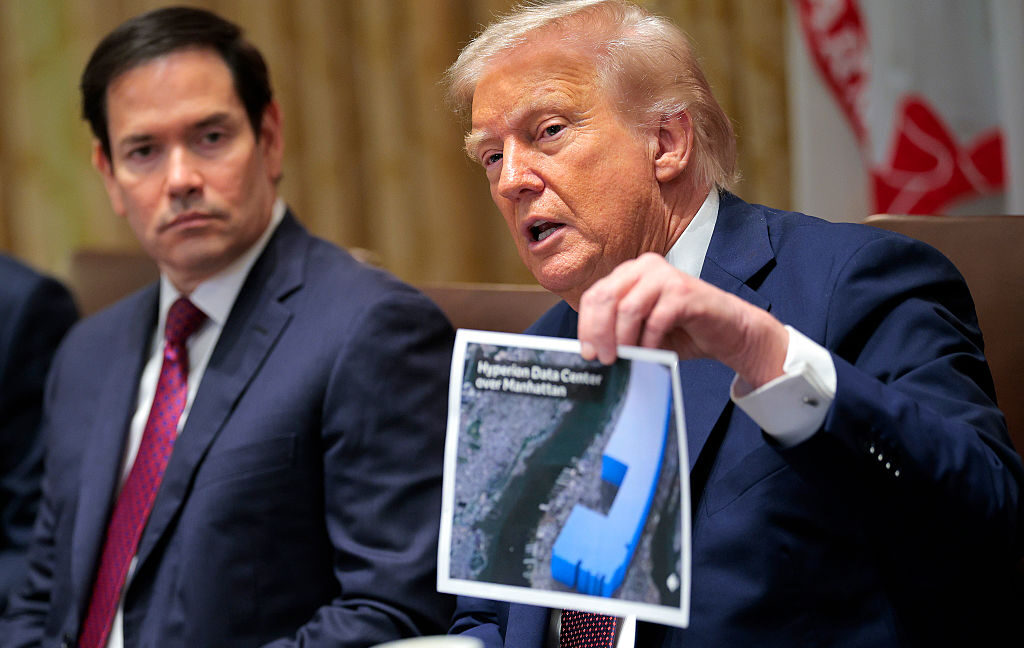
Title: Trump Ignores Biggest Reasons His AI Data Center Buildout Is Failing
Nearly 50% of data center projects are facing delays as China holds the key to power infrastructure. The ambitious plans of President Donald Trump to rapidly construct AI data centers, as part of his strategy to ensure the US remains competitive in the AI race against China, are facing significant setbacks. Despite Trump's declaration of prioritizing the construction of AI data centers through a series of executive orders last year, his aggressive tariffs on Chinese imports are reportedly hindering most data center projects.
Earlier this week, Bloomberg reported that "almost half of the US data centers planned for this year are expected to be delayed or canceled" due to the inability of developers to import enough transformers, switchgear, and batteries required to build out the power infrastructure that every data center needs. This development is likely to frustrate the president, as his administration's trade policies are inadvertently undermining the very goals he has set for the AI sector.
The reliance on Chinese components for data centers stems from the fact that many of the critical components, such as transformers and switchgear, are manufactured predominantly in China. These components are essential for powering and managing the vast amounts of electricity required by data centers. However, Trump's tariffs on Chinese goods have made it more expensive and difficult for US companies to source these components, leading to delays and cancellations in data center projects.
The situation is further complicated by the fact that China has been investing heavily in its own AI infrastructure, including the construction of massive data centers. This has allowed China to maintain a significant advantage in the AI race, as its companies have access to the necessary infrastructure and components to advance their AI capabilities. In contrast, the US is now facing delays and cancellations in its own data center projects, which are crucial for the country's AI ambitions.
The delays in data center construction also have broader implications for the US economy. Data centers are not only essential for the development and deployment of AI technologies but also serve as critical infrastructure for businesses and consumers alike. They host websites, process transactions, and store vast amounts of data. As a result, delays in data center construction can lead to inefficiencies and disruptions in various sectors, including finance, healthcare, and e-commerce.
Moreover, the situation highlights the complex interplay between trade policies and technological advancement. While Trump's administration has argued that tariffs on Chinese goods are necessary to protect American industries and jobs, the unintended consequences of these policies are now becoming apparent. The delays in data center construction are a stark reminder of the potential downsides of protectionist trade policies, particularly in the context of a global technological race.
As the US continues to grapple with these challenges, it is crucial for policymakers to reevaluate their approach to trade and infrastructure development. The situation underscores the need for a more balanced and strategic approach to trade policies, one that takes into account the potential impacts on critical sectors like AI and data centers. Additionally, the US may need to invest more in domestic manufacturing of critical components, such as transformers and switchgear, to reduce its reliance on Chinese imports and ensure the timely construction of data centers.
In the meantime, the delays and cancellations in data center projects are likely to have lasting effects on the US's position in the AI race. As China continues to expand its own data center infrastructure, the US risks falling further behind in the development and deployment of AI technologies. This could have significant implications for the country's economic competitiveness, national security, and global influence.
In conclusion, the aggressive tariffs imposed by President Trump's administration on Chinese goods are inadvertently hindering the US's efforts to rapidly construct AI data centers. Nearly 50% of data center projects are facing delays or cancellations due to the inability to source critical components from China. This situation not only highlights the complex interplay between trade policies and technological advancement but also underscores the need for a more strategic and balanced approach to trade and infrastructure development. The US must address these challenges if it is to remain competitive in the global AI race and ensure the timely construction of the data centers essential for its economic and technological future.









