
Trump defends attacking civilian infrastructure in Iran, warns the country is running out of time
In a news conference on Monday, President Trump continued to threaten bombings against Iran's bridges and power plants. Weijia Jiang reports.
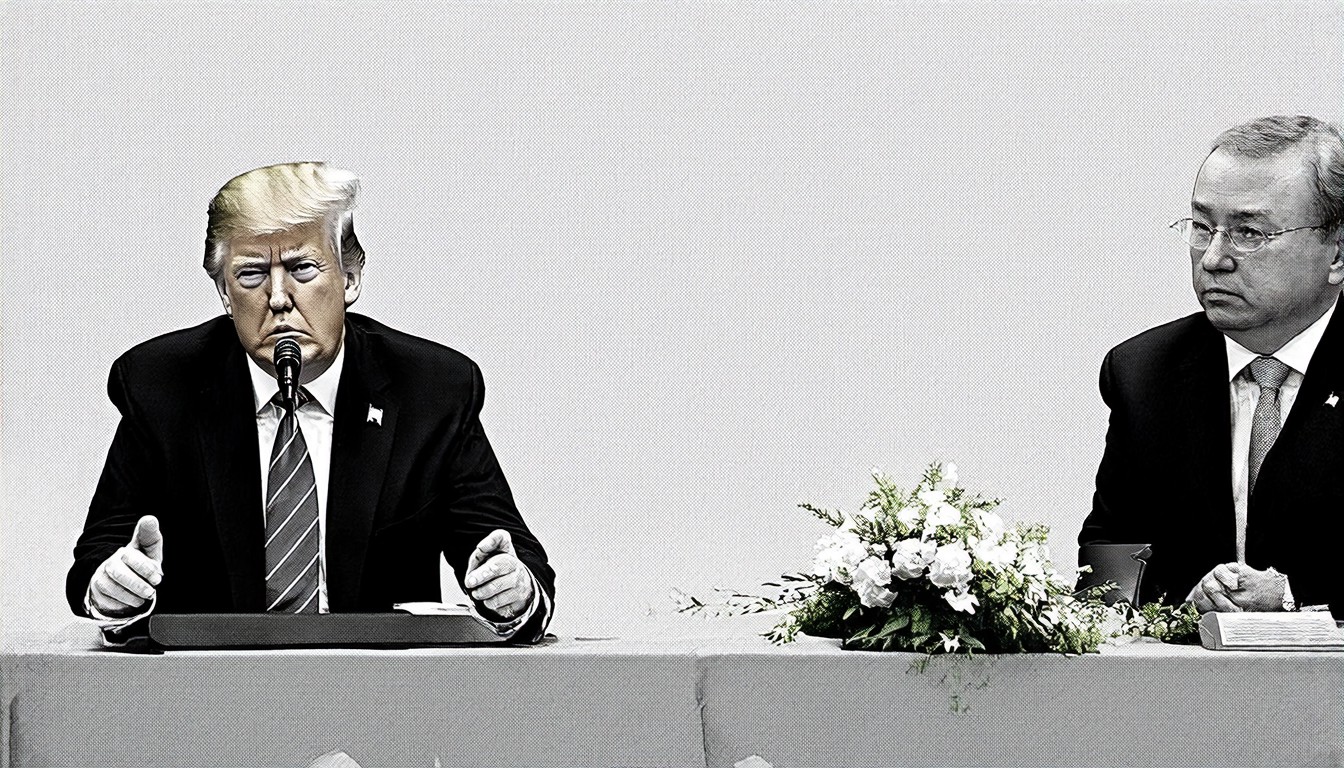
In a news conference on Monday, President Donald Trump defended his administration's decision to target civilian infrastructure in Iran, warning the country that it is running out of time. Trump's remarks came as tensions between the U.S. and Iran have escalated in recent weeks, with both nations accusing each other of aggression and hostility.
During the press briefing, Trump reiterated his stance that the U.S. must take a strong stance against Iran, emphasizing the need to protect American interests and allies in the region. He argued that attacking Iran's bridges and power plants would be a necessary measure to deter further attacks on U.S. personnel and assets. Trump's administration has previously accused Iran of supporting terrorist groups and engaging in hostile activities, including the downing of a U.S. drone in June.
Trump's defense of targeting civilian infrastructure faced criticism from some analysts and lawmakers, who argued that such actions could lead to significant civilian casualties and further destabilize the region. However, the president dismissed these concerns, stating that the U.S. would only target military-related infrastructure and that the Iranian government bore responsibility for any civilian harm.
In addition to threatening bombings, Trump warned Iran that it is running out of time to change its behavior. He urged the Iranian leadership to reconsider its actions and engage in diplomatic dialogue with the U.S. and its allies. Trump emphasized that the U.S. is willing to negotiate, but only if Iran demonstrates a genuine commitment to peace and stability in the region.
The U.S. has been increasingly vocal about its concerns over Iran's nuclear program and its support for proxy groups in conflicts such as Syria and Yemen. Trump's administration has imposed strict sanctions on Iran and has deployed additional military forces in the Middle East in recent months. These actions have been met with condemnation from Iran, which has accused the U.S. of aggression and threatened retaliation.
The situation in the region remains volatile, with both sides engaged in a tense standoff. Analysts have warned that any further escalation could lead to a full-blown conflict, with potentially catastrophic consequences for the entire Middle East. Despite these concerns, Trump remains unwavering in his stance, insisting that the U.S. must take a firm position to protect its interests and allies.
As tensions continue to rise, the international community is closely monitoring the situation, hoping for a diplomatic resolution. Some countries, including European allies and China, have called for de-escalation and dialogue, urging both the U.S. and Iran to avoid further provocation.
In conclusion, President Trump's decision to defend attacking civilian infrastructure in Iran highlights the ongoing tensions between the two nations. While Trump argues that such actions are necessary to deter Iranian aggression, critics warn of the potential for civilian casualties and further regional instability. As the situation remains uncertain, the world watches closely, hoping for a path forward that can prevent a full-scale conflict and promote peace in the region.









