Trump Budget Does Little to Address Nation’s Fiscal Challenges
While the federal deficit has started to shrink under President Trump, his plans could make the long-term situation worse.
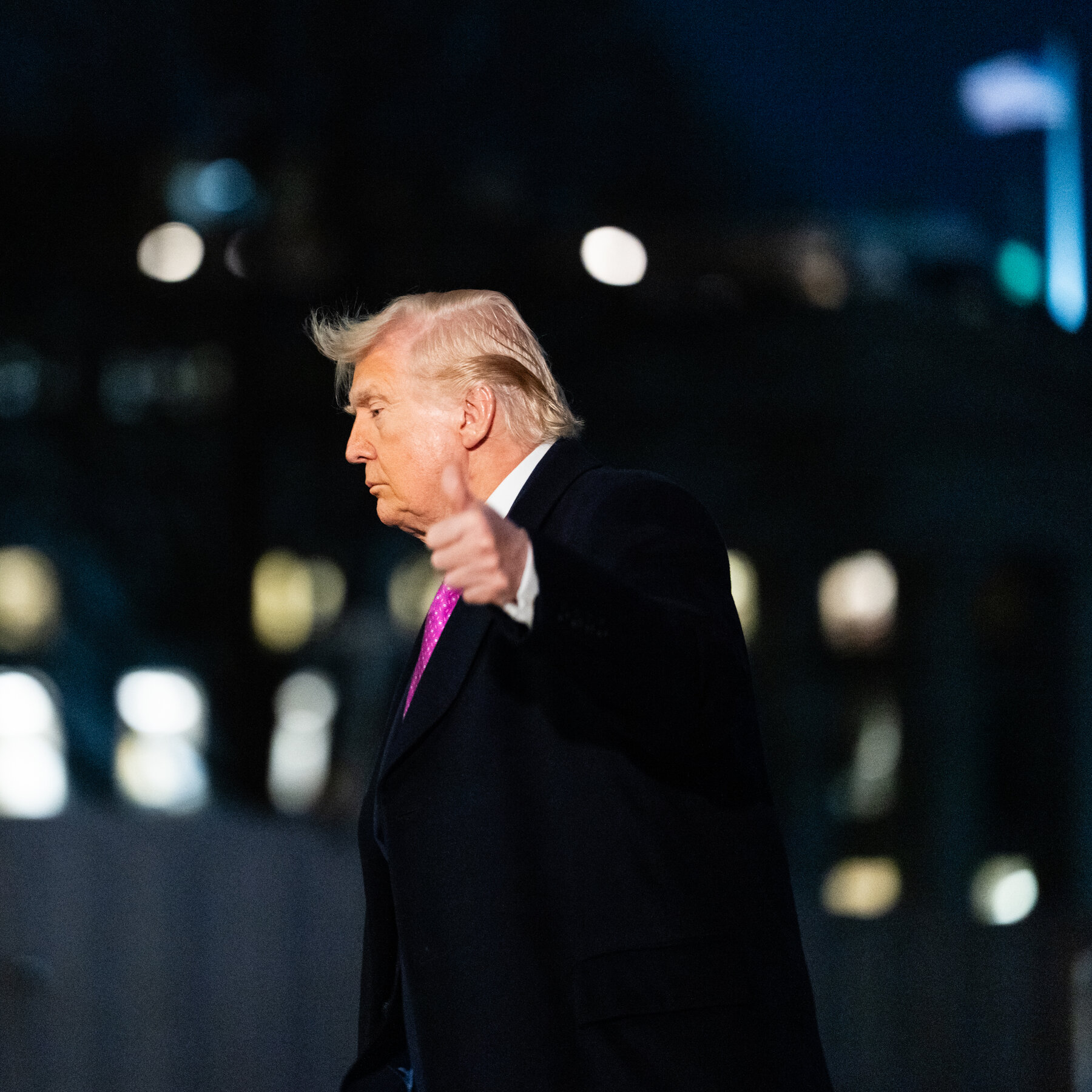
President Trump’s latest budget proposal, unveiled amidst a backdrop of a slowly shrinking federal deficit, has drawn criticism for failing to address the nation’s long-term fiscal challenges. While the deficit has indeed begun to narrow under the current administration, many economists argue that the proposed policies could exacerbate future financial instability.
The Trump administration’s budget plan centers around tax cuts and increased military spending, both of which are expected to boost economic growth in the short term. However, critics contend that these measures come at the expense of addressing critical long-term fiscal issues such as an aging population, rising healthcare costs, and infrastructure decay.
One of the most significant concerns is the administration’s approach to healthcare. The budget proposal does not include any substantial investments in Medicare or Medicaid, which are projected to face significant financial strain as the population continues to age. The lack of funding for these programs could lead to reduced benefits for millions of elderly and low-income Americans, potentially undermining public health and social stability.
Infrastructure is another area where the Trump budget falls short. The proposal allocates minimal resources for modernizing and repairing the nation’s roads, bridges, and public transportation systems. This neglect could result in increased maintenance costs and reduced economic productivity, as inadequate infrastructure hampers business efficiency and worker mobility.
Moreover, the budget’s reliance on tax cuts raises questions about its sustainability. While tax reductions may stimulate economic activity in the short term, they often come at the cost of reduced government revenue, which could limit the ability to address future fiscal challenges. Critics argue that the administration’s tax policies, particularly those benefiting the wealthy, may widen income inequality and further strain social safety nets.
The Trump administration’s military spending priorities also raise concerns. Although defense spending has been a traditional focus of American policy, the budget’s emphasis on military expansion could divert funds from critical domestic investments. This shift may leave the nation vulnerable to both immediate and long-term security threats, as well as neglecting essential public services.
Economists and policymakers have called for a more balanced approach to fiscal policy that addresses both short-term growth and long-term stability. They emphasize the need for strategic investments in healthcare, infrastructure, and social safety nets to ensure the country’s financial health in the decades to come.
In contrast, the Trump budget appears to prioritize political and ideological goals over pragmatic fiscal planning. By failing to tackle the root causes of the nation’s fiscal challenges, the administration risks leaving a legacy of unresolved issues for future administrations to address.
As the debate over the budget continues, it becomes clear that the nation’s financial well-being hinges on a careful balance between immediate economic stimulation and sustainable long-term planning. The Trump administration’s current proposal, however, seems to lean heavily toward the former, potentially compromising the latter.
In conclusion, while the federal deficit has started to shrink under President Trump, his budget proposal does little to address the nation’s long-term fiscal challenges. By neglecting critical areas such as healthcare, infrastructure, and social safety nets, the administration risks leaving a legacy of unresolved financial instability. As the country navigates an increasingly complex global landscape, a more thoughtful and strategic approach to fiscal policy is essential to ensure the nation’s economic prosperity and social stability in the years to come.