
Trump Budget Does Little to Address Nation’s Fiscal Challenges
While the federal deficit has started to shrink under President Trump, his plans could make the long-term situation worse.
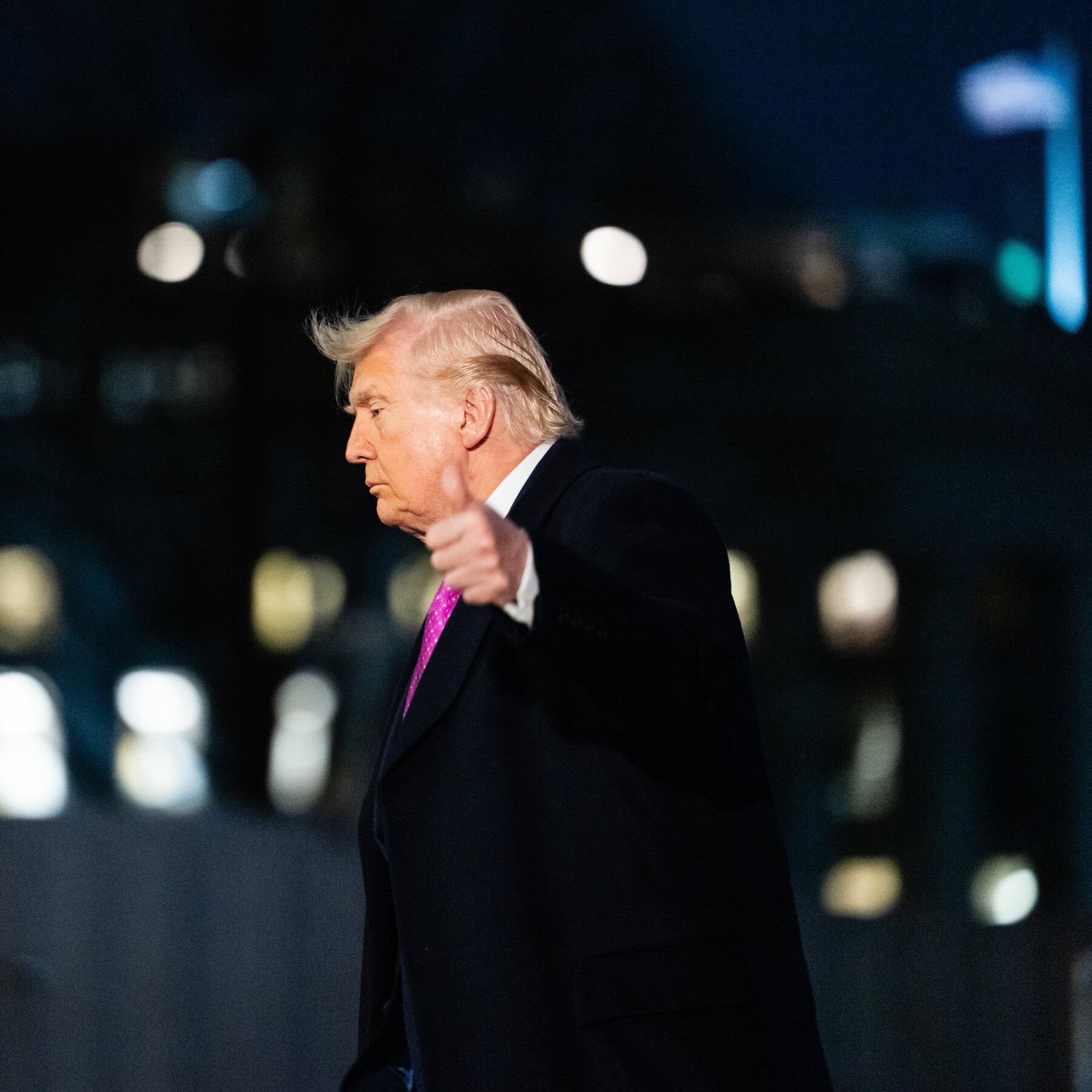
President Trump’s latest budget proposal, unveiled amidst a backdrop of a slowly shrinking federal deficit, has drawn criticism for failing to address the nation’s long-term fiscal challenges. While the deficit has indeed begun to narrow under the current administration, many economists argue that the proposed policies could exacerbate future financial instability.
The Trump administration’s budget plan centers around tax cuts and increased military spending, both of which are expected to boost economic growth in the short term. However, critics contend that these measures come at the expense of addressing critical long-term fiscal issues such as an aging population, rising healthcare costs, and infrastructure decay.
One of the most significant concerns is the administration’s approach to healthcare. The budget proposal does not include substantial funding for programs aimed at curbing the escalating costs of medical care. As the population continues to age, the demand for healthcare services is expected to surge, placing immense strain on the system. Without targeted investments in healthcare infrastructure and innovation, the burden on the federal budget could become unsustainable.
Infrastructure is another area where the Trump budget falls short. The proposal allocates minimal funds for modernizing and maintaining the nation’s roads, bridges, and public transportation systems. This neglect could lead to increased maintenance costs and reduced economic productivity in the long run. Infrastructure decay not only affects daily life but also hampers economic growth by increasing transportation costs and limiting access to markets for businesses.
Moreover, the budget does little to address the growing fiscal burden posed by an aging population. Social security and Medicare, two of the largest entitlement programs, face significant challenges as the number of retirees continues to rise. The Trump administration’s proposal does not offer a comprehensive plan to reform these programs or provide sufficient funding to ensure their long-term solvency.
While the administration’s tax cuts may stimulate economic growth in the short term, they are unlikely to address the structural issues that threaten the nation’s fiscal health. Critics argue that the tax cuts primarily benefit the wealthy, while the burden of maintaining entitlement programs and infrastructure falls disproportionately on future generations.
Furthermore, the Trump budget’s emphasis on military spending raises questions about its alignment with national priorities. Although defense is crucial, critics contend that the proposed increases in military expenditure could divert resources from critical domestic investments. This shift could leave the nation vulnerable to both immediate and long-term challenges, from cybersecurity threats to climate change impacts.
In conclusion, President Trump’s budget proposal, while offering short-term economic benefits, fails to provide a viable solution to the nation’s fiscal challenges. The lack of investment in healthcare, infrastructure, and entitlement reforms could leave the United States ill-prepared for the financial pressures of an aging population and a rapidly changing global economy. As the federal deficit slowly shrinks, it is imperative for policymakers to prioritize long-term fiscal sustainability over short-term gains. Without addressing these critical issues, the nation risks facing significant economic instability in the years to come.









