Trump Appoints Ally Bill Pulte as Acting US Intelligence Director
Former President Donald Trump has reportedly appointed Bill Pulte, described as an ally, to serve as the acting Director of National Intelligence. This significant interim appointment places a trusted figure at the helm of the vast U.S. intelligence community,
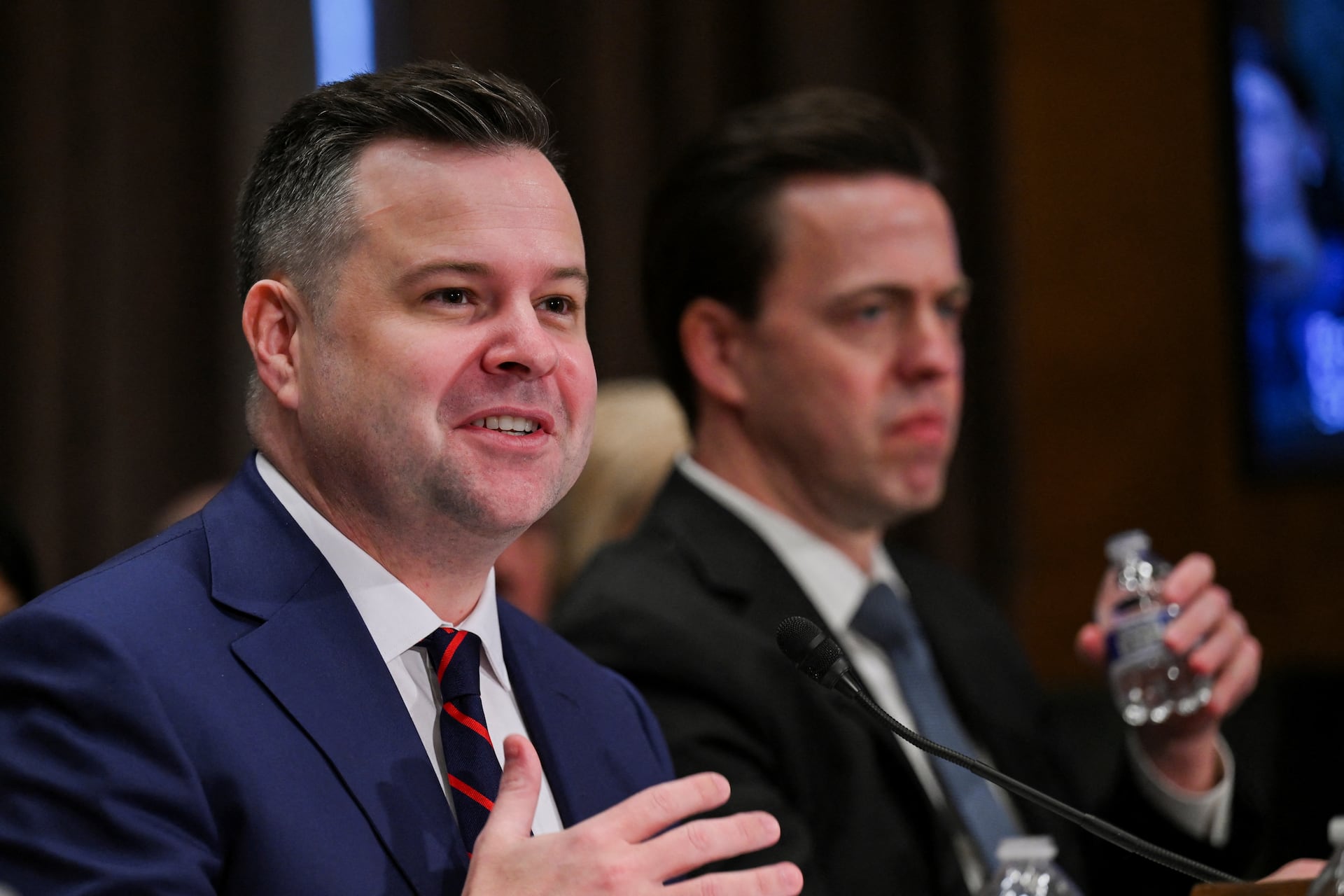
In a significant development reported on June 2, 2026, former President Donald Trump has appointed Bill Pulte, identified as an ally, to the crucial role of acting Director of National Intelligence (DNI). This interim designation places a trusted figure at the forefront of the United States' extensive intelligence community, a move that invariably garners considerable scrutiny and discussion within political and national security circles.
The Director of National Intelligence serves as the principal advisor to the President, the National Security Council, and the Homeland Security Council on intelligence matters related to national security. The DNI is responsible for overseeing and directing the implementation of the National Intelligence Program and acts as the head of the U.S. Intelligence Community, which encompasses 18 different organizations, including the CIA, NSA, FBI, and various military intelligence units. The role demands a delicate balance of strategic insight, operational oversight, and political acumen.
An 'acting' appointment, by its very nature, is typically a temporary measure, often utilized to fill a vacancy quickly or to allow a president to install a preferred individual without immediate Senate confirmation. While acting officials possess full authority, their tenure is often viewed as a precursor to a potential permanent nomination, which would then be subject to rigorous Senate hearings and approval. The decision to appoint an 'ally' to such a sensitive post can be interpreted in various ways, from ensuring loyalty and alignment with presidential priorities to potentially raising questions about the impartiality of intelligence assessments.
The U.S. intelligence community is a complex and vital network, tasked with gathering, analyzing, and disseminating intelligence crucial for national security, foreign policy, and defense. Its work spans a wide array of global challenges, from counter-terrorism and cyber warfare to geopolitical rivalries and the proliferation of weapons of mass destruction. The DNI plays a critical coordinating role, aiming to ensure that the diverse agencies work cohesively and effectively to provide timely and accurate intelligence to policymakers.
Presidential appointments to key national security positions are always subject to intense public and political examination. The choice of an acting DNI, especially one described as an ally, underscores the importance presidents place on having individuals they trust in positions that directly influence national security policy and intelligence gathering. This approach can streamline decision-making and ensure a consistent message, but it also highlights the perpetual tension between political loyalty and the institutional independence expected of intelligence agencies.
Historically, the relationship between the White House and the intelligence community has often been complex, characterized by periods of close collaboration and moments of tension. The DNI's role was established in the wake of the 9/11 attacks to improve coordination and information sharing among intelligence agencies, a testament to the critical need for unified leadership in an increasingly complex global environment. Therefore, the individual holding this position wields significant influence over the direction and priorities of the entire intelligence apparatus.
The challenges facing any DNI are formidable. They include navigating a rapidly evolving global threat landscape, integrating new technologies into intelligence gathering, fostering inter-agency cooperation, and maintaining public trust while operating in secrecy. Furthermore, the DNI must effectively communicate complex intelligence assessments to the President and other senior officials, often under immense pressure and with high stakes.
For DailyHuntLine readers, this appointment signifies a crucial shift in leadership within a core component of U.S. national security. The individual at the helm of the intelligence community can significantly shape how threats are perceived, how resources are allocated, and ultimately, how national security policy is formulated and executed. The emphasis on an "ally" in this context suggests a desire for strong alignment between the executive branch's vision and the intelligence community's operations.
As the situation unfolds, observers will be keen to understand the specific implications of this appointment for the U.S. intelligence community's operations, its relationship with the White House, and its overall strategic direction. The tenure of an acting DNI, while temporary, can set precedents and influence the tone and priorities of the intelligence apparatus for years to come, making this a development of considerable interest both domestically and internationally.
This appointment underscores the ongoing importance of leadership within the intelligence sector, particularly in an era defined by complex global challenges and rapidly evolving threats. The selection of an acting DNI, especially one with a reported close relationship to the former President, will undoubtedly remain a focal point of discussion regarding the future trajectory of U.S. national security strategies and intelligence coordination.