Trump and other populists will haunt NATO’s 75th birthday party
Threats to Western alliances lie both within and without the club
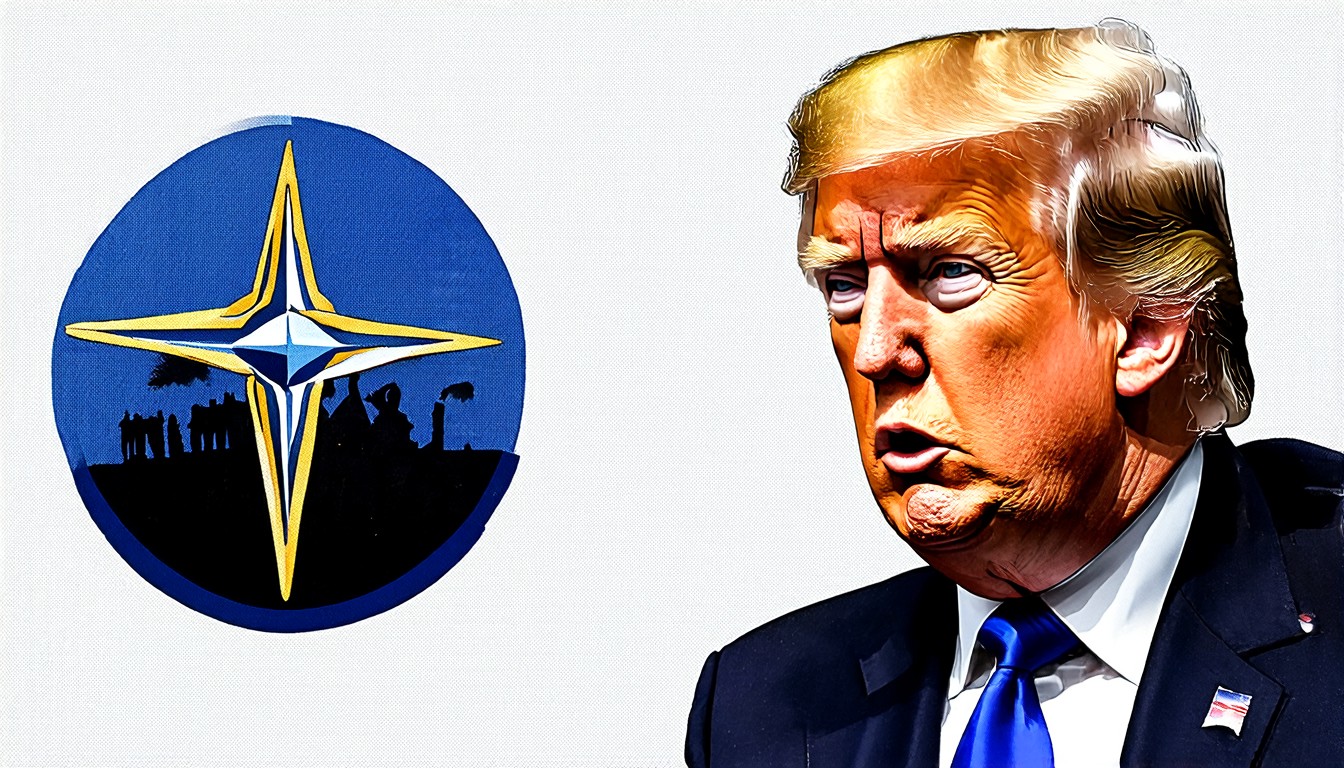
As NATO prepares to celebrate its 75th anniversary, the alliance faces unprecedented challenges that threaten its unity and effectiveness. The looming presence of populist leaders like former U.S. President Donald Trump, who has frequently criticized NATO and called for member nations to increase their defense spending, casts a shadow over the upcoming jubilee. These populists, who have gained traction in various Western democracies, are not only undermining the alliance from within but also inviting external threats that could exploit the resulting vulnerabilities.
The internal threats to NATO are starkly evident in the rhetoric of populist leaders. Trump, who repeatedly denounced NATO as "obsolete" and "a burden to the United States," has inspired a wave of skepticism and distrust among member states. His successor, President Joe Biden, has worked diligently to rebuild trust and reinforce the alliance, but the damage has been done. Countries like Hungary and Poland, under the rule of populist governments, have also been criticized for eroding democratic values and undermining the very principles that NATO was founded upon. These internal strains risk weakening the alliance's ability to respond effectively to global challenges, such as Russian aggression and the rise of China.
The external threats to NATO are equally daunting. Russia, which has long viewed NATO as a hostile force, has stepped up its provocative actions in recent years, including the annexation of Crimea and the ongoing conflict in Ukraine. These actions have tested the resolve of NATO members, particularly those on its eastern flank, who are directly confronting Russian military presence. Meanwhile, China's growing influence in Europe, exemplified by its investments in critical infrastructure and its efforts to sway European governments, poses a new challenge to the alliance's cohesion. As NATO members navigate these external pressures, they must also contend with the internal divisions caused by populist leaders who question the alliance's relevance and effectiveness.
The upcoming NATO summit, marking the 75th anniversary of the alliance, will be a critical moment for member states to address these challenges. Leaders will need to demonstrate a united front in the face of external threats while also addressing the internal dissent fueled by populist rhetoric. The success of the summit will hinge on the ability of member nations to prioritize collective security and mutual defense over nationalistic and populist agendas.
In addition to the challenges posed by populist leaders and external adversaries, NATO must also confront the evolving nature of global security. The rise of hybrid warfare, cyber threats, and the impact of climate change on security are all issues that require a coordinated response from the alliance. As NATO members grapple with these complex challenges, they must ensure that the alliance remains adaptable and relevant in an ever-changing world.
The 75th anniversary of NATO serves as a stark reminder of the importance of the alliance in maintaining peace and stability in the Western world. However, the looming presence of populist leaders and the mounting external threats underscore the need for vigilance and unity. If NATO can successfully navigate these challenges and reaffirm its commitment to collective defense, it will not only celebrate its 75th birthday but also lay the foundation for a stronger and more resilient alliance in the years to come.