
Trump administration to pay TotalEnergies $1bn to drop US offshore wind project
Washington will refund a French energy giant to exit US offshore wind plans, fuelling criticism from environmental groups.
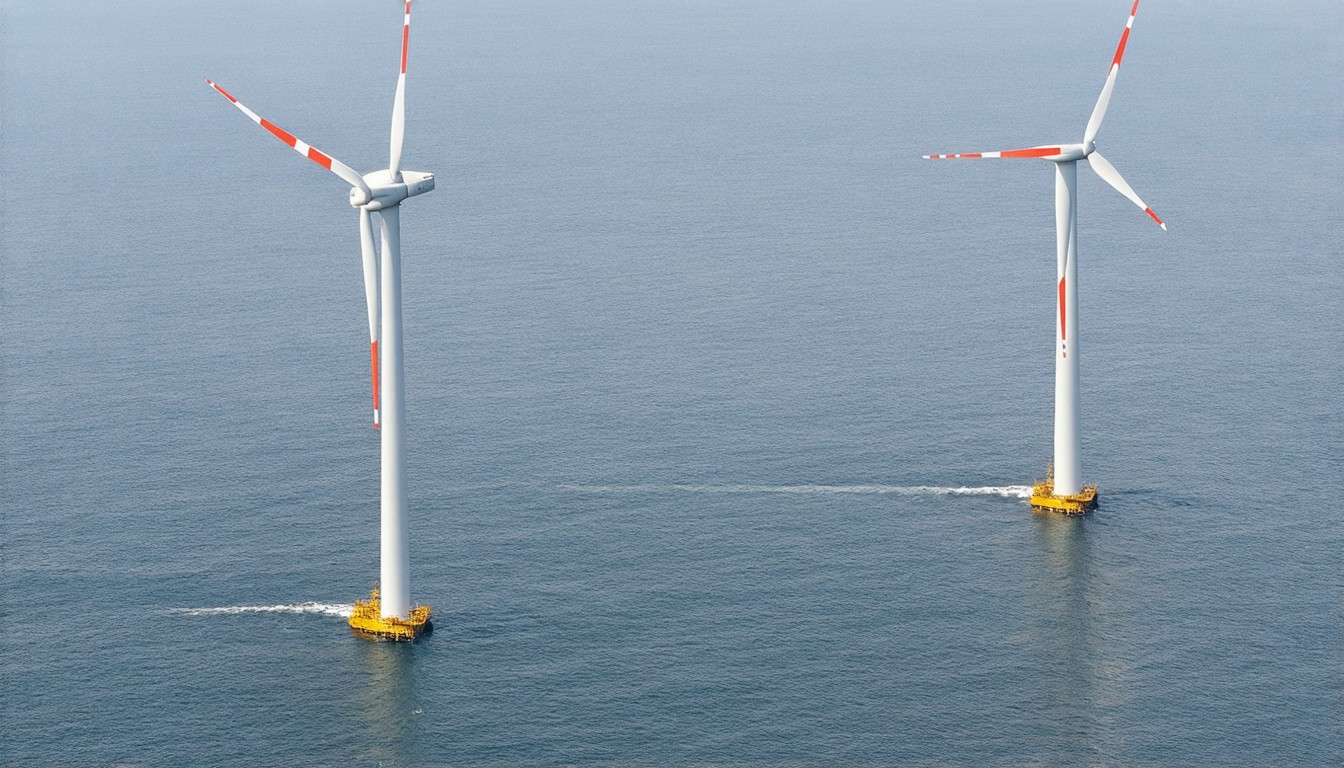
The Trump administration has announced a $1 billion refund to the French energy company TotalEnergies to allow it to exit a planned offshore wind project in the United States. The decision, which has been met with criticism from environmental groups, raises questions about the administration's priorities and its impact on renewable energy initiatives.
The agreement, which was reached after months of negotiations, involves the cancellation of a lease that TotalEnergies had obtained for a 240-square-mile area in the Atlantic Ocean, off the coast of New Jersey. The company had planned to develop a significant offshore wind farm in this area, but the deal with the Trump administration will allow it to withdraw from the project without facing substantial financial losses.
Critics argue that this move undermines efforts to transition to clean energy and increases the United States' reliance on fossil fuels. Environmental groups have expressed concern that the administration's decision to prioritize corporate interests over environmental sustainability could set a precedent for future energy policies.
The decision to refund TotalEnergies comes at a time when the United States is under international pressure to accelerate its transition to renewable energy sources. The Paris Agreement, which the U.S. re-entered under the Biden administration, requires countries to significantly reduce their greenhouse gas emissions. Environmental advocates argue that the Trump administration's actions are counterproductive and could hinder the nation's ability to meet its climate goals.
Moreover, the refund to TotalEnergies raises questions about the administration's handling of offshore wind projects. In recent years, the U.S. has been investing heavily in offshore wind energy, aiming to become a global leader in this sector. The cancellation of TotalEnergies' project could slow down this momentum and limit the potential for job creation and economic growth in the renewable energy sector.
The Trump administration has defended the decision, arguing that it is necessary to ensure the efficient use of federal resources and to protect the environment. Officials have stated that the area leased to TotalEnergies may be made available to other companies that are more committed to sustainable practices. However, critics argue that this is a mere justification for prioritizing corporate interests over environmental and economic benefits.
The refund to TotalEnergies is not the first instance of the Trump administration's controversial dealings with energy companies. In the past, the administration has been criticized for its support of fossil fuel industries and its perceived lack of commitment to combating climate change. This latest decision has further fueled concerns about the administration's priorities and its impact on the nation's environmental future.
As the Biden administration prepares to take office, environmental groups are urging a reevaluation of the offshore wind projects and a renewed commitment to renewable energy. They argue that the U.S. must accelerate its transition to clean energy to meet its climate obligations and to secure a sustainable future for generations to come.
In conclusion, the Trump administration's decision to refund TotalEnergies $1 billion to exit its offshore wind project has sparked significant controversy and criticism from environmental groups. The move raises questions about the administration's priorities and its impact on the nation's ability to transition to renewable energy. As the U.S. faces mounting pressure to address climate change, this decision underscores the need for a more sustainable and environmentally conscious approach to energy policy.









