Trump administration sets up to 100% tariffs on some imported drugs, with many companies exempt
The Trump administration is preparing to impose new tariffs on drugmakers that have not struck deals with the president to lower their U.S. drug prices.
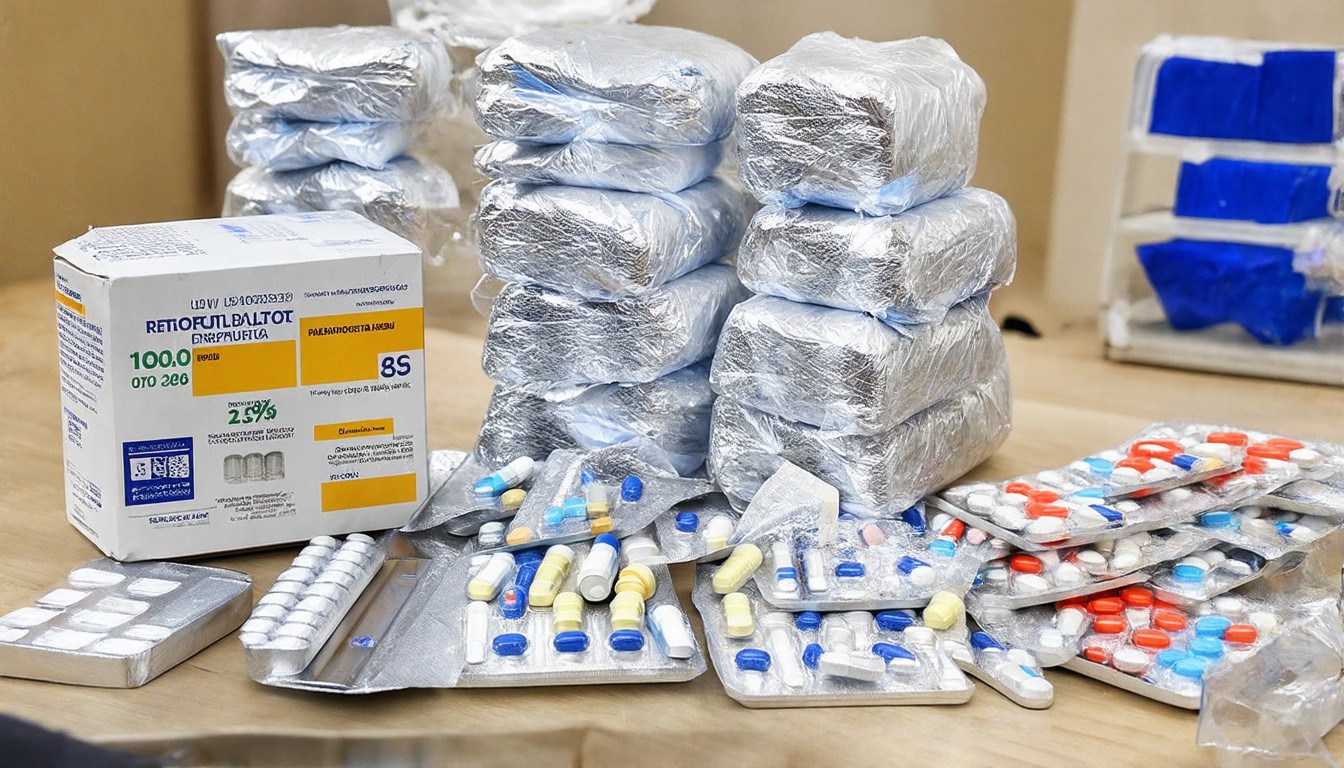
The Trump administration is moving to impose up to 100% tariffs on some imported drugs, a move aimed at pressuring foreign drug manufacturers to negotiate lower prices for their products in the United States. This new policy, which is expected to significantly impact the pharmaceutical industry, comes as part of the administration's broader efforts to reduce the cost of prescription drugs for American consumers.
The tariffs, which could reach unprecedented levels, will apply to drugmakers that have not agreed to work with the administration to lower drug prices. The administration has been vocal about its desire to curb the rising costs of prescription medications, which have become a major concern for many Americans. By imposing these tariffs, the Trump administration hopes to incentivize foreign companies to engage in price negotiations and potentially offer more affordable options for U.S. patients.
However, the policy is not without exceptions. Many companies are expected to be exempt from these tariffs, particularly those that have already reached agreements with the administration to reduce drug prices. This exemption is intended to reward companies that are cooperating with the administration's goals and to avoid disproportionately affecting the market.
The decision to impose such high tariffs on imported drugs is a bold move that could have significant implications for the global pharmaceutical market. It may lead to increased scrutiny of drug pricing practices both domestically and internationally, as other countries and companies look to adapt their strategies in response.
Critics of the policy argue that imposing such high tariffs could lead to shortages of certain medications, as it might discourage the importation of drugs from countries that are not exempt. This could potentially limit patients' access to essential medications and exacerbate existing supply chain issues.
On the other hand, supporters of the policy believe that the tariffs are a necessary step to address the high cost of prescription drugs in the United States. They argue that the administration's actions are long overdue and that the pharmaceutical industry has been too slow to act on its own to lower prices.
The administration's approach to drug pricing has been a contentious issue since the beginning of its term. The tariffs on imported drugs are part of a larger strategy to tackle the issue, which has included negotiations with drug manufacturers, efforts to increase competition in the market, and advocacy for price transparency.
As the policy takes effect, it will be interesting to see how it impacts the pharmaceutical industry and the affordability of prescription drugs for American consumers. While the tariffs may face criticism, they are a clear reflection of the administration's determination to address the rising costs of medications and make them more accessible to all Americans.
In conclusion, the Trump administration's decision to impose up to 100% tariffs on some imported drugs is a significant move aimed at reducing the cost of prescription medications in the United States. While the policy is not without its challenges and potential drawbacks, it represents a concerted effort to tackle a pressing issue that has long concerned the American public. As the effects of this policy unfold, it will be crucial to monitor its impact on both the pharmaceutical industry and patients' access to essential medications.