Trump Admin Set To Allow Summer E15 Fuel Sales
The Trump administration is preparing to expand the opportunity for sales of higher-ethanol E15 gasoline this summer by waiving the fuel from US volatility requirements, according to people familiar with…
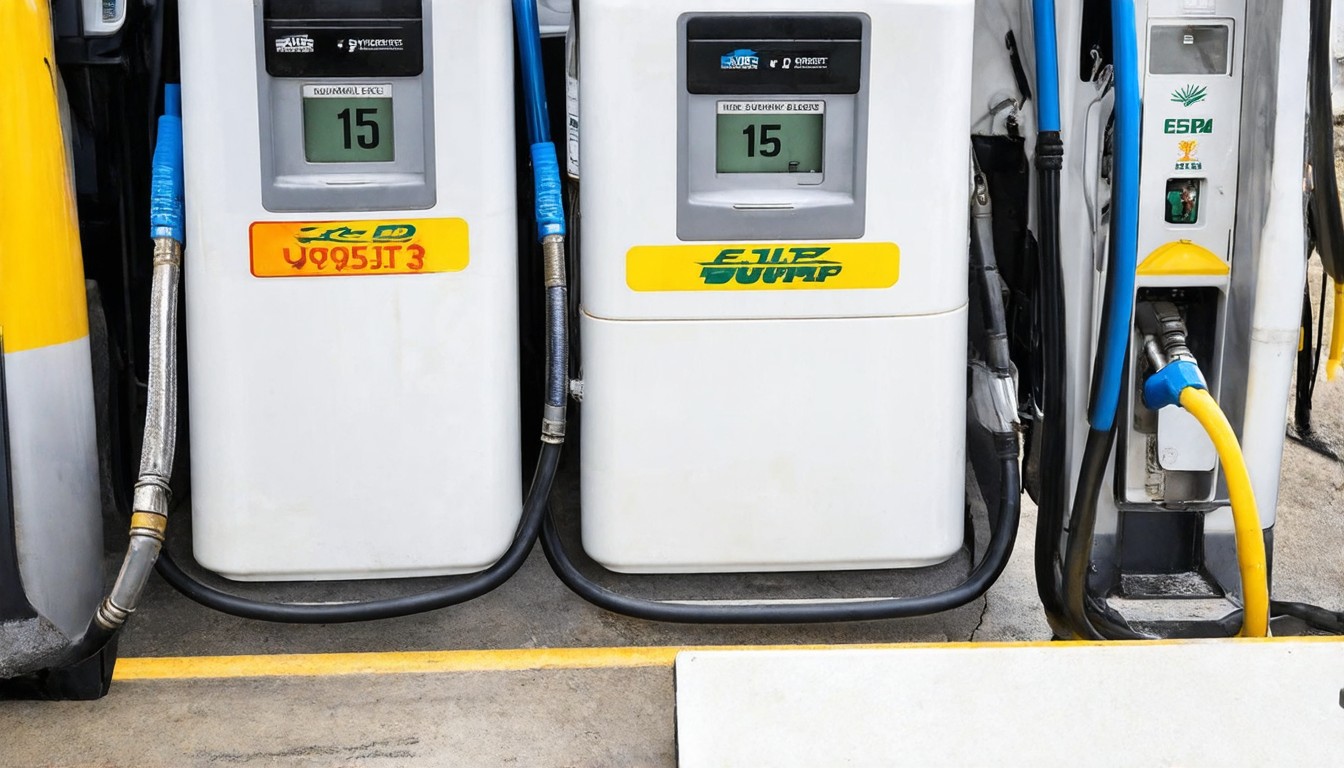
The Trump administration is preparing to expand the opportunity for sales of higher-ethanol E15 gasoline this summer by waiving the fuel from US volatility requirements, according to people familiar with the matter. This move, which could significantly increase the availability of E15 fuel across the country, is expected to take effect in the coming weeks as the administration finalizes the necessary regulatory changes.
E15 fuel, which contains 15% ethanol and 85% gasoline, has long been promoted as a way to reduce dependence on foreign oil and lower emissions. However, its widespread use has been limited by concerns over its compatibility with certain vehicles and the potential for increased volatility in gasoline supplies. By waiving the volatility requirements, the Trump administration aims to alleviate some of these concerns and encourage more widespread adoption of E15 fuel.
The decision to allow E15 sales this summer comes as part of a broader effort by the administration to promote the use of biofuels. In recent years, the production and consumption of ethanol and other biofuels have grown significantly, driven in part by federal incentives and mandates. The E15 waiver is seen as a way to further boost the biofuel industry, which has become an important part of the U.S. energy landscape.
The move to allow E15 sales is not without controversy, however. Critics argue that the waiver could lead to supply chain disruptions and price volatility, particularly if the increased demand for E15 fuel outpaces the ability of refineries to produce and distribute it. They also question whether the environmental benefits of E15 fuel are as significant as claimed, given the potential for increased emissions from refining and transportation.
Despite these concerns, supporters of the E15 waiver argue that the benefits of increased biofuel use outweigh the risks. They point to studies showing that E15 fuel can reduce emissions and improve air quality, particularly in urban areas where transportation-related pollution is a major issue. They also note that the increased use of domestic ethanol could help support farmers and rural economies, which have been struggling in recent years.
The Trump administration's decision to waive volatility requirements for E15 fuel is expected to have a significant impact on the U.S. energy market. As more refineries and gas stations stock E15 fuel, consumers may see a wider range of options and potentially lower prices. However, the long-term effects of the waiver on the environment, the economy, and public health remain to be seen.
In the coming months, the administration will work closely with industry stakeholders to ensure a smooth transition to increased E15 sales. This will involve coordinating with refiners, distributors, and retailers to ensure that the supply chain is prepared to meet the expected demand. The administration will also likely monitor the market closely to assess the impact of the waiver and make any necessary adjustments.
As the summer approaches, the E15 waiver is expected to become a focal point for debate and discussion among policymakers, environmental groups, and consumers. For many, it represents a chance to move towards a more sustainable and diversified energy future. For others, it raises concerns about the potential risks and unintended consequences of expanding the use of higher-ethanol fuel.
In the end, the success of the E15 waiver will depend on a careful balance between promoting the benefits of biofuels and managing the potential challenges. As the Trump administration moves forward with this initiative, it will be important for all stakeholders to work together to ensure that the transition to increased E15 sales is done in a way that is safe, efficient, and sustainable.