Tripura ADC poll: BJP promises recognition to Kokborok, indigenous languages
The BJP’s manifesto promises to rename TTAADC from Tripura Tribal Areas Autonomous District Council to Tripura Autonomous Territorial Council
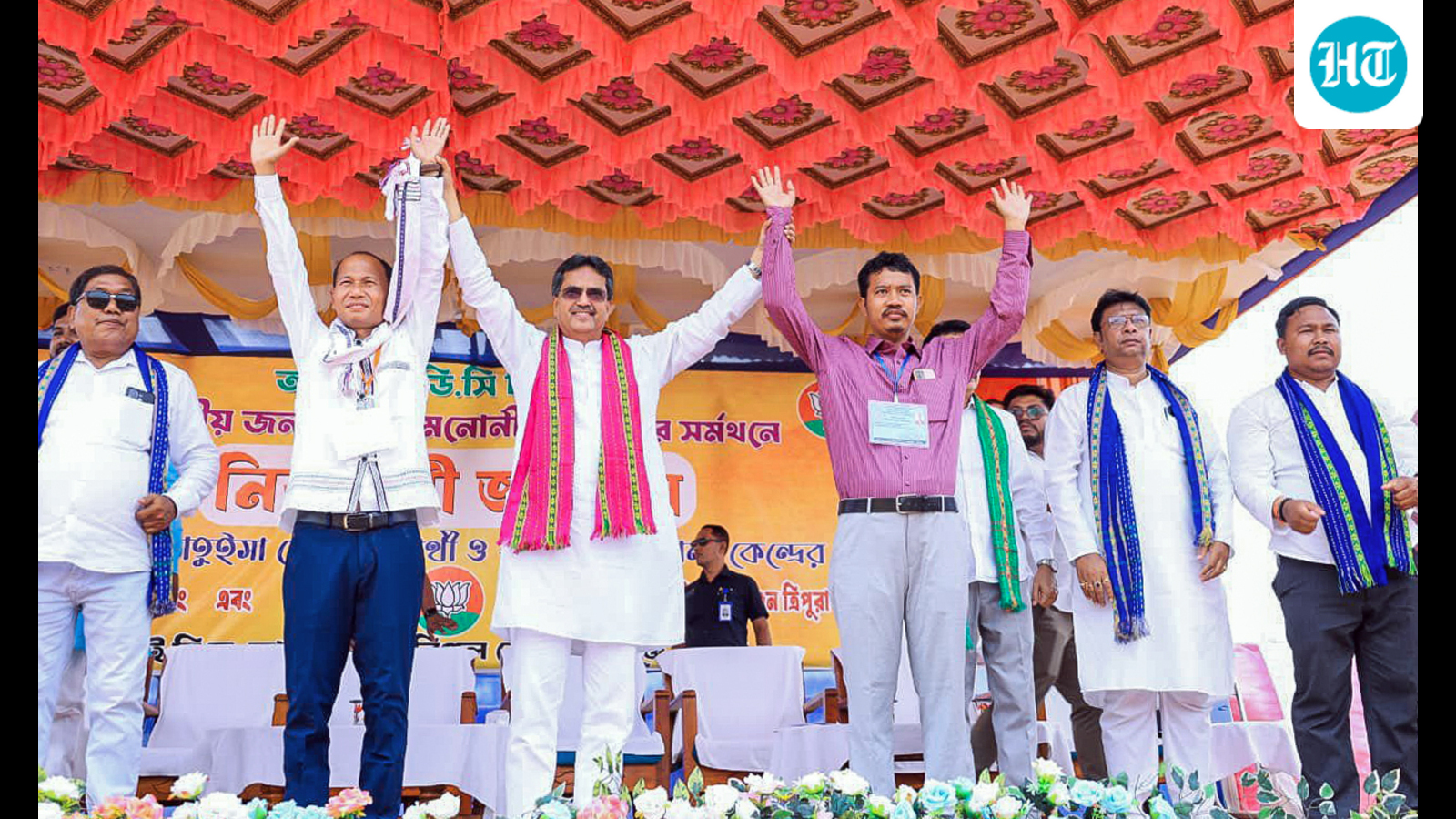
In the lead-up to the Tripura ADC polls, the Bharatiya Janata Party (BJP) has unveiled a manifesto that highlights its commitment to recognizing and supporting the indigenous languages of the state. Central to this promise is the proposal to rename the Tripura Tribal Areas Autonomous District Council (TTAADC) to the Tripura Autonomous Territorial Council (TATC). This move is seen as a significant step towards acknowledging the cultural heritage and linguistic diversity of the region.
Tripura, a state in northeastern India, is home to a rich tapestry of ethnic groups, each with its own unique identity and language. The Kokborok language, spoken by the Tripuri people, is one of the most prominent indigenous languages in the state. The BJP's manifesto acknowledges the importance of preserving and promoting these languages, recognizing them as vital components of the state's cultural fabric.
The proposed renaming of TTAADC to TATC is not just a change in nomenclature; it is a reflection of a broader policy shift. The term "Tribal Areas" in the current name has been criticized for perpetuating a colonial-era perspective that categorizes certain regions and populations as "tribal" rather than integral parts of the state. By replacing it with "Autonomous Territorial Council," the BJP aims to signal a more inclusive and equitable approach to governance.
This shift in perspective is in line with the BJP's broader agenda of recognizing and empowering indigenous communities across India. In recent years, the party has been vocal about the need to protect and promote the rights of tribal populations, including their languages and cultural practices. The Tripura ADC polls provide an opportunity for the BJP to demonstrate its commitment to these principles in practice.
The recognition of Kokborok and other indigenous languages is also seen as a means to enhance educational opportunities for the state's population. By making these languages official, the BJP hopes to ensure that they are taught in schools and used in administrative processes, thereby preserving them for future generations. This would not only benefit the linguistic communities but also foster a greater sense of unity and identity among all residents of Tripura.
However, the BJP's proposal has not been without its critics. Some argue that the renaming of TTAADC could undermine the autonomy of the tribal regions, which has been a contentious issue in Tripura's political landscape. Others express concerns that the focus on language recognition might divert attention and resources from more pressing issues such as infrastructure development and poverty alleviation.
Despite these reservations, the BJP remains steadfast in its commitment to linguistic recognition. The party's manifesto outlines a detailed plan to establish an official language commission, tasked with codifying and standardizing the state's indigenous languages. It also proposes the creation of a media council to promote the use of these languages in radio, television, and print media.
In addition to language policies, the BJP's manifesto addresses other key issues facing Tripura, including infrastructure development, healthcare, and education. The party pledges to invest in the state's transportation network, improve access to healthcare facilities, and enhance educational opportunities, particularly for girls and marginalized communities.
The Tripura ADC polls are a crucial moment for the BJP, as it seeks to establish itself as a party that values and prioritizes the needs and aspirations of the state's diverse population. By promising to recognize and support the indigenous languages, the BJP is positioning itself as a champion of cultural diversity and inclusivity.
As the polling date approaches, the people of Tripura will have the opportunity to weigh these promises against the track records of the various political parties vying for power. The outcome of the elections will undoubtedly have a significant impact on the state's trajectory, shaping its future in terms of governance, development, and cultural identity.
In conclusion, the BJP's manifesto for the Tripura ADC polls highlights its commitment to linguistic recognition and cultural preservation. The proposed renaming of TTAADC to TATC is seen as a symbolic yet significant step towards inclusivity and empowerment. While the party faces challenges and criticisms, its focus on indigenous languages and broader developmental issues positions it as a contender in the upcoming elections. The people of Tripura will ultimately decide whether to support this vision and invest in a future that values their unique cultural heritage and linguistic diversity.