Tribal Women Lead in Sukma Amidst Corruption Scandal
In a significant development, two tribal women have reportedly assumed pivotal leadership roles in Chhattisgarh's Naxal-affected Sukma district, stepping into a void created by an alleged corruption scandal and offering a fresh perspective on local governance
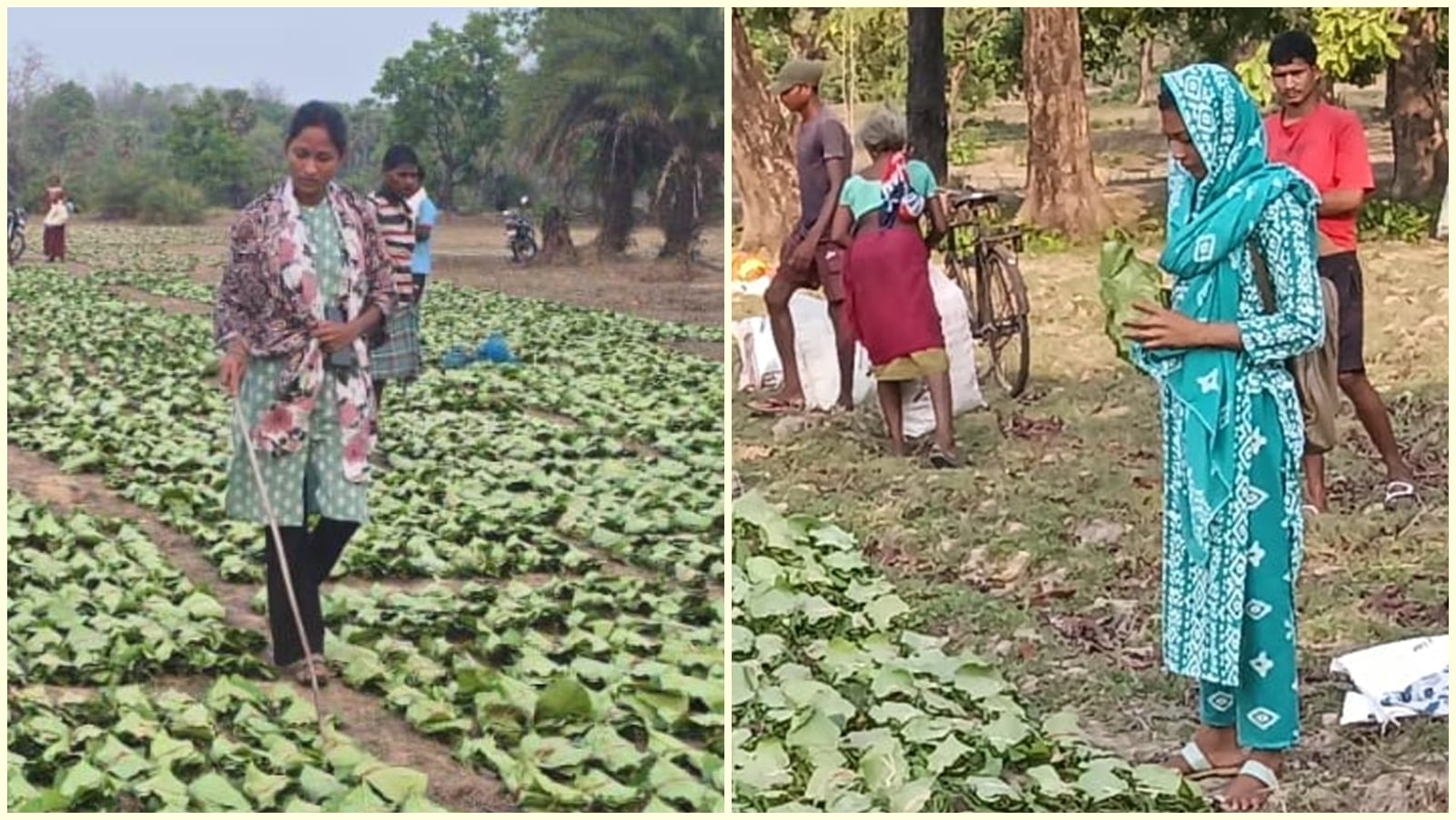
In a potentially transformative development for Chhattisgarh's Naxal-affected Sukma district, two tribal women have reportedly stepped into significant leadership roles. This notable shift in local governance is understood to have emerged in the wake of an alleged corruption scandal, which created a vacuum and an unexpected opportunity for fresh, community-rooted leadership. The ascension of these women is being watched closely, as it signals a potential for enhanced transparency, greater community participation, and a renewed focus on the socio-economic upliftment of a region long grappling with insurgency and underdevelopment. Their leadership could represent a powerful testament to the resilience and inherent capabilities within tribal communities to drive positive change from within.
Sukma, situated in the southern part of Chhattisgarh, is a district synonymous with the challenges posed by Naxal insurgency. Characterized by dense forests, remote villages, and a predominantly tribal population, the region has historically faced significant hurdles in development, access to basic services, and effective administration. The presence of extremist groups often complicates governance, creating an environment where traditional power structures can be exploited, and the benefits of government schemes frequently fail to reach the intended beneficiaries. Life for the local tribal communities in Sukma is often marked by a daily struggle for livelihood, security, and dignity, making any positive development in local leadership particularly impactful.
Reports of a corruption scandal preceding the rise of these women leaders underscore the persistent challenges faced by vulnerable regions. Corruption, in any form, erodes public trust, diverts essential resources, and perpetuates cycles of poverty and injustice, especially in areas already struggling with socio-economic disparities and security threats. In Naxal-affected zones, such malpractices can further alienate local populations from the state, making them susceptible to alternative influences. The alleged scandal in Sukma, while specific details remain undisclosed, reportedly created an environment where existing leadership structures were compromised, thereby opening an unexpected pathway for new voices to emerge and assume responsibility.
The vacuum created by the alleged corruption scandal, however unfortunate, appears to have presented an unprecedented opportunity for marginalized voices to come to the forefront. In many tribal societies, women play crucial roles in household management, cultural preservation, and economic activities, yet their participation in formal leadership and decision-making bodies has often been limited. The reported stepping up of two tribal women in Sukma signifies a break from conventional norms, indicating a growing recognition of their administrative capabilities and their deep understanding of local issues. This development highlights how crises, paradoxically, can sometimes catalyze positive social and political transformations at the grassroots level.
The significance of tribal women assuming leadership roles in a region like Sukma cannot be overstated. Women leaders often bring a unique perspective to governance, prioritizing community welfare, health, education, and sustainable resource management. Their lived experiences within the community equip them with an intimate understanding of the needs and aspirations of the local populace, particularly other women and children. Furthermore, their presence in leadership positions can inspire and empower other women to participate more actively in public life, fostering a more inclusive and representative form of local governance. This shift could lead to more equitable distribution of resources and more effective implementation of development programmes.
A crucial aspect of the local economy in many tribal regions, including Sukma, revolves around forest produce. Among these, tendu leaves hold significant economic importance, providing a vital source of income for thousands of tribal families who collect them for bidi manufacturing. The collection and trade of tendu leaves are often susceptible to exploitation and corrupt practices, where middlemen or powerful entities can shortchange the tribal collectors. The involvement of tribal women in leadership, especially in areas related to resource management and fair trade practices for forest produce like tendu leaves, could bring much-needed transparency and ensure that the benefits genuinely reach the primary collectors, improving their livelihoods and economic security.
Assuming leadership in a Naxal-hit area like Sukma is fraught with immense challenges. Leaders in such regions often face security threats, administrative complexities due to limited infrastructure, and the daunting task of navigating between state authority and the influence of extremist groups. They must also contend with deeply entrenched social hierarchies and, potentially, resistance from those who benefited from previous corrupt systems. The reported courage and resilience of these two tribal women to take on such demanding responsibilities speak volumes about their commitment to their community and their determination to bring about positive change amidst adversity, embodying a spirit of grassroots activism and self-governance.
The emergence of tribal women leaders in Sukma carries broader implications for women's empowerment and democratic decentralization across India's tribal belts. It underscores the potential for local communities, when given the opportunity, to identify and nurture their own leaders who are genuinely invested in the welfare of their people. Such instances can serve as powerful models, encouraging similar initiatives in other marginalized regions and reinforcing the idea that effective governance often stems from grassroots participation and the inclusion of diverse voices. This development, while local, resonates with national aspirations for inclusive growth and social justice.
As these two tribal women reportedly embark on their leadership journey in Sukma, the hope is that their efforts will usher in an era of greater accountability, equitable resource distribution, and sustainable development. Their leadership presents an opportunity to rebuild trust between the administration and the local populace, fostering a sense of ownership and participation in community projects. While the path ahead in a Naxal-affected region remains challenging, their rise offers a beacon of hope that empowered local leadership, particularly from marginalized sections, can indeed be a catalyst for meaningful and lasting transformation, paving the way for a more secure and prosperous future for Sukma.