Lightning Strike Kills 18-Year-Old Kayaker in Florida
An 18-year-old man, Michael Vargas, tragically lost his life on Sunday after being struck by lightning while kayaking with his father on the Blackwater River in Santa Rosa, Florida, an incident that underscores the unpredictable dangers of outdoor activities d
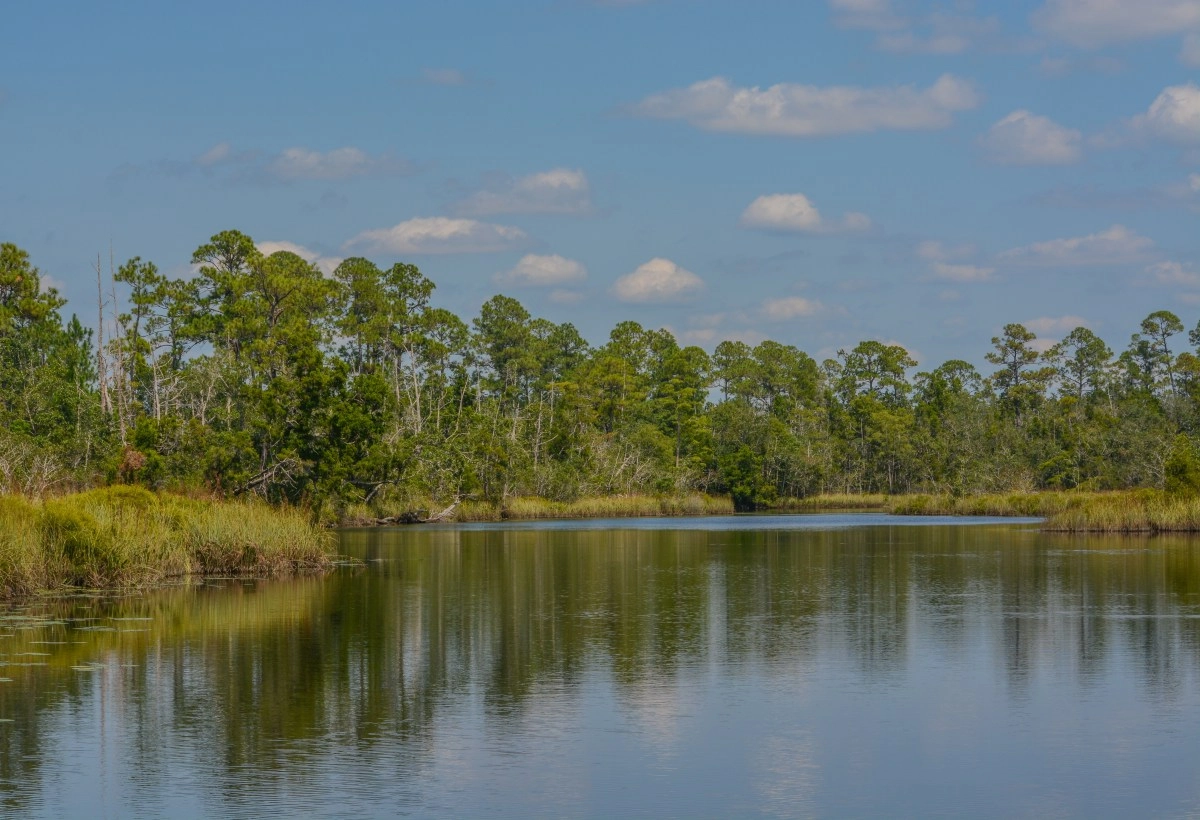
A profound sense of sorrow has enveloped the community of Santa Rosa, Florida, following the tragic death of 18-year-old Michael Vargas. Vargas reportedly succumbed to a lightning strike on Sunday while he was enjoying a kayaking trip with his father on the Blackwater River. What began as a peaceful recreational outing on one of Florida's picturesque waterways tragically transformed into a scene of unimaginable grief, underscoring the sudden and often unpredictable dangers inherent in nature's powerful forces.
The incident, as reported, unfolded swiftly, highlighting the instantaneous and devastating impact a lightning strike can have. The presence of Michael's father during this harrowing event further emphasizes the shock and immediate horror that such an unforeseen natural phenomenon can inflict upon individuals and families. Kayaking, a popular pastime in Florida, offers a unique connection to the state's natural beauty, yet it also exposes participants to environmental risks that demand constant vigilance and respect.
Florida, often referred to as the "Lightning Capital" of the United States, experiences an exceptionally high frequency of thunderstorms, particularly during its warm, humid months. This geographical reality means that residents and visitors engaging in outdoor activities, especially on or near water, are inherently more vulnerable to lightning strikes. The state's unique meteorological patterns often lead to rapid weather changes, where clear skies can quickly give way to severe thunderstorms with little advanced warning.
Being on open water during a thunderstorm significantly amplifies the risk of a lightning strike. Water is an excellent conductor of electricity, meaning that a strike nearby can still pose a severe threat. Individuals in kayaks or small boats often become the highest points in their immediate surroundings, making them more susceptible targets. The immense energy discharged by a single lightning bolt is capable of causing catastrophic injury or death, leaving little to no chance for survival in a direct hit.
Experts and meteorological agencies consistently stress the critical importance of diligent weather monitoring for anyone planning outdoor recreational activities. Relying solely on visual cues can be misleading, as lightning can strike miles away from the center of a storm, and thunder may not always be immediately audible. Modern weather forecasting tools and real-time radar applications offer invaluable resources for tracking storm development and movement, providing crucial information that can inform safety decisions.
Adhering to essential safety protocols is paramount when engaging in water sports or any outdoor activity in lightning-prone areas. The universal guideline, "When Thunder Roars, Go Indoors," serves as a vital reminder. At the first sign of thunder or lightning, immediate action is imperative: seek substantial shelter in a fully enclosed building or a hard-topped vehicle. Open structures, isolated trees, and, critically, open water offer no adequate protection against a lightning strike.
The tragic loss of Michael Vargas, a young life cut short, serves as a poignant and somber reminder of nature's formidable power and the critical necessity of prioritizing safety. Such devastating incidents deeply affect not only the immediate family but also the wider community, prompting renewed calls for public awareness campaigns regarding lightning safety. Educating the public about the dangers and appropriate responses can undoubtedly save lives.
This incident also underscores the broader implications for recreational bodies, park authorities, and local governments. There is an ongoing need for robust public education initiatives, clear signage, and accessible information regarding lightning safety protocols in all recreational areas, particularly those popular for water-based activities like kayaking and boating. Ensuring that everyone understands the risks and knows how to react swiftly can significantly mitigate potential tragedies.
Constant vigilance and a profound respect for the forces of nature are indispensable. Even on days that appear calm and inviting, the potential for sudden meteorological shifts, especially in regions known for their volatile weather patterns, necessitates a deep understanding of environmental hazards. Preparedness, rather than complacency, must be the guiding principle for all outdoor enthusiasts.
Michael Vargas's untimely death is a heartbreaking testament to the inherent risks associated with outdoor pursuits and the paramount importance of prioritizing safety and weather awareness above all else. His story serves as a stark and urgent reminder for all individuals to exercise extreme caution, remain informed about weather conditions, and be prepared for nature's sudden and unforgiving fury to prevent similar heartbreaking incidents in the future.