
Toyota starts selling two U.S.-made models in Tokyo
Toyota Motor Corp said Thursday it started selling two of its U.S.-manufactured models in Tokyo, using a simplified import procedure introduced as part of a tariff deal with…
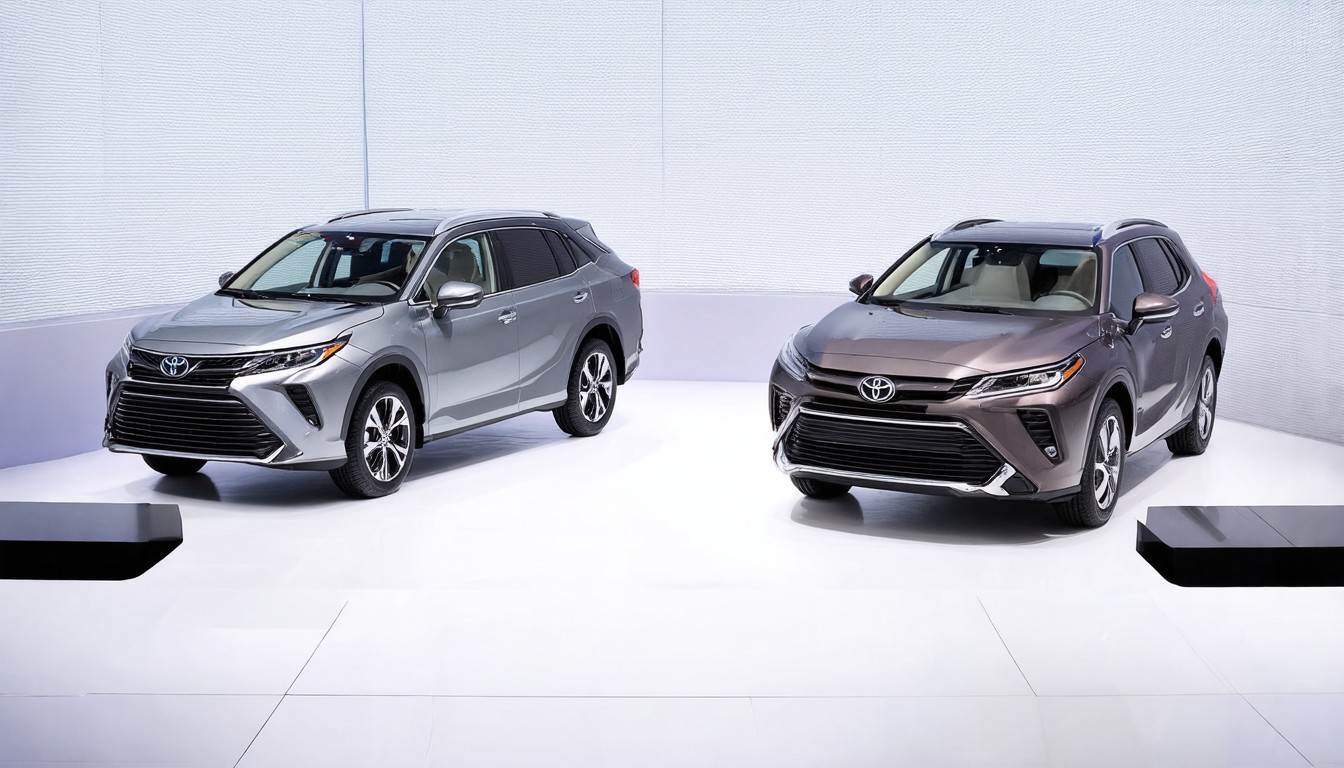
Toyota Motor Corp announced on Thursday that it has begun selling two of its U.S.-manufactured models in Tokyo, marking a significant milestone in the automaker's global strategy. This move is made possible by a simplified import procedure that was introduced as part of a tariff deal between the United States and Japan.
The two models on offer are the RAV4 and the Camry, both of which are well-known for their reliability and performance. These vehicles, produced in the U.S., are now available to consumers in Tokyo, offering a unique opportunity to experience American-made Toyotas. The decision to sell these models in Tokyo is part of Toyota's broader efforts to diversify its supply chain and enhance its presence in key markets.
The tariff deal between the U.S. and Japan, which came into effect earlier this year, has made it easier for automakers like Toyota to import vehicles into Japan with reduced bureaucratic hurdles. This simplified procedure has allowed Toyota to bring its U.S.-made models to Tokyo more efficiently, without the need for extensive modifications to meet Japanese regulations.
The RAV4 and Camry have been popular models in the U.S. for years, and their introduction to the Tokyo market is expected to attract a new customer base. Japanese consumers have long been known for their preference for domestically produced vehicles, but the appeal of these Toyota models may sway some buyers. The RAV4, in particular, is known for its fuel efficiency and advanced technology, which could resonate with environmentally conscious consumers in Tokyo.
Toyota's decision to sell U.S.-made vehicles in Tokyo also highlights the automaker's commitment to leveraging its global manufacturing capabilities. By producing vehicles in the U.S. and then selling them in Japan, Toyota is demonstrating its flexibility and adaptability in the face of changing market dynamics. This move could also serve as a model for other automakers looking to expand their operations across borders.
The introduction of U.S.-made Toyotas in Tokyo is not without its challenges. Japanese consumers may be hesitant to purchase vehicles not traditionally produced in their country. However, Toyota's reputation for quality and reliability could help overcome these concerns. Additionally, the tariff deal has made it more economically viable for Toyota to offer these models at competitive prices, which could further encourage sales.
Toyota's move into the Tokyo market with U.S.-made models is a testament to the evolving global automotive landscape. As trade agreements and manufacturing strategies continue to shift, automakers like Toyota must adapt to remain competitive. By selling these vehicles in Tokyo, Toyota is not only expanding its market reach but also showcasing its ability to thrive in diverse and dynamic markets.
In conclusion, Toyota's decision to sell its U.S.-made RAV4 and Camry models in Tokyo is a significant development in the automotive industry. This move, facilitated by a simplified import procedure as part of a tariff deal, underscores Toyota's commitment to innovation and global expansion. While there may be initial challenges in convincing Japanese consumers to try U.S.-made vehicles, Toyota's strong brand and the competitive pricing offered through the tariff deal could pave the way for success in this new market. As Toyota continues to adapt and innovate, it remains a formidable player in the global automotive sector.









