
Tower tensions rise in Italy as telcos seek control and lower costs
Recent moves by local telcos are mostly a market correction driven by Italy’s unique tower-market dynamics – where Inwit holds a dominant, near-monopolistic position In sum – what to know: Market-specific pressure – The dispute reflects Italy’s unique tower dynamics,…
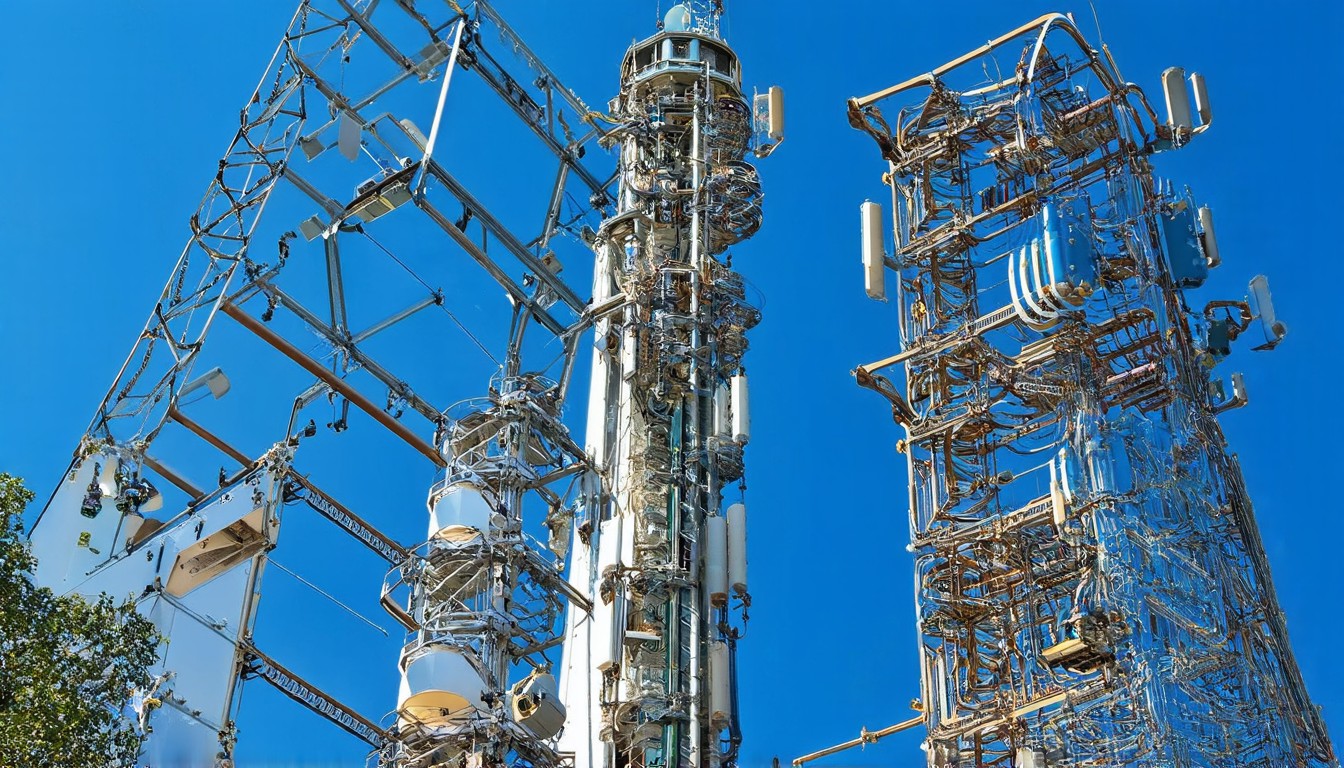
Tower tensions rise in Italy as telcos seek control and lower costs
In recent weeks, Italy has witnessed heightened tensions among telecommunications companies (telcos) as they vie for control over the nation's mobile network infrastructure. The dispute is driven by Italy's unique tower-market dynamics, where Inwit, a local tower operator, holds a dominant, near-monopolistic position. This situation has led to market-specific pressures that are reshaping the competitive landscape in the Italian telecom sector.
Inwit's dominance in the tower market stems from its extensive network coverage and strategic partnerships with major telcos. However, this near-monopoly has sparked concerns among smaller telcos, who argue that Inwit's high tower rental fees and limited access to its infrastructure are stifling competition and driving up costs for consumers. These telcos are now pushing for greater transparency and fairer pricing in the tower market, believing that such changes would foster a more competitive environment and ultimately lower costs for Italian consumers.
The recent moves by local telcos are largely seen as a market correction, reflecting Italy's unique tower dynamics. Unlike other European countries, where telcos often own and operate their own towers, Italy's regulatory framework has historically favored the establishment of independent tower operators like Inwit. This has resulted in a situation where telcos are heavily reliant on these operators for network infrastructure, creating a power imbalance that has long been a point of contention.
The dispute over tower control and costs is not without its complexities. While smaller telcos argue that Inwit's dominance is detrimental to competition, Inwit maintains that its high fees are justified by the significant investments it has made in building and maintaining an extensive network. Inwit also points out that its infrastructure is crucial for ensuring reliable mobile connectivity across Italy, particularly in rural and remote areas where building new towers would be economically unviable for individual telcos.
Regulatory authorities in Italy are closely monitoring the situation, tasked with balancing the need for fair competition with the imperative of maintaining robust network coverage. Recent proposals have been made to introduce new regulations that would require Inwit to provide fair access terms to all telcos, including more transparent pricing and greater flexibility in tower rental agreements. Such measures are intended to level the playing field and encourage investment in new tower infrastructure, which could help alleviate the pressure on existing operators like Inwit.
The ongoing tensions in Italy's tower market are a microcosm of broader challenges faced by the telecom sector globally. As mobile network demand continues to surge, telcos are under pressure to reduce costs and optimize their infrastructure. The Italian case highlights the importance of finding a balance between fostering competition and ensuring that network operators have the incentives to invest in the infrastructure needed to support future growth.
In conclusion, the rising tensions among Italian telcos over tower control and costs are a reflection of the unique dynamics of the country's tower market. While Inwit's dominance has been a source of frustration for smaller competitors, the situation also underscores the critical role that tower operators play in maintaining reliable mobile connectivity. As regulatory authorities and market participants navigate this complex landscape, the ultimate goal remains to create a more competitive environment that benefits Italian consumers with better value and choice.









