Tower tensions rise in Italy as telcos seek control and lower costs
Recent moves by local telcos are mostly a market correction driven by Italy’s unique tower-market dynamics – where Inwit holds a dominant, near-monopolistic position In sum – what to know: Market-specific pressure – The dispute reflects Italy’s unique tower dynamics,…
Tower tensions rise in Italy as telcos seek control and lower costs
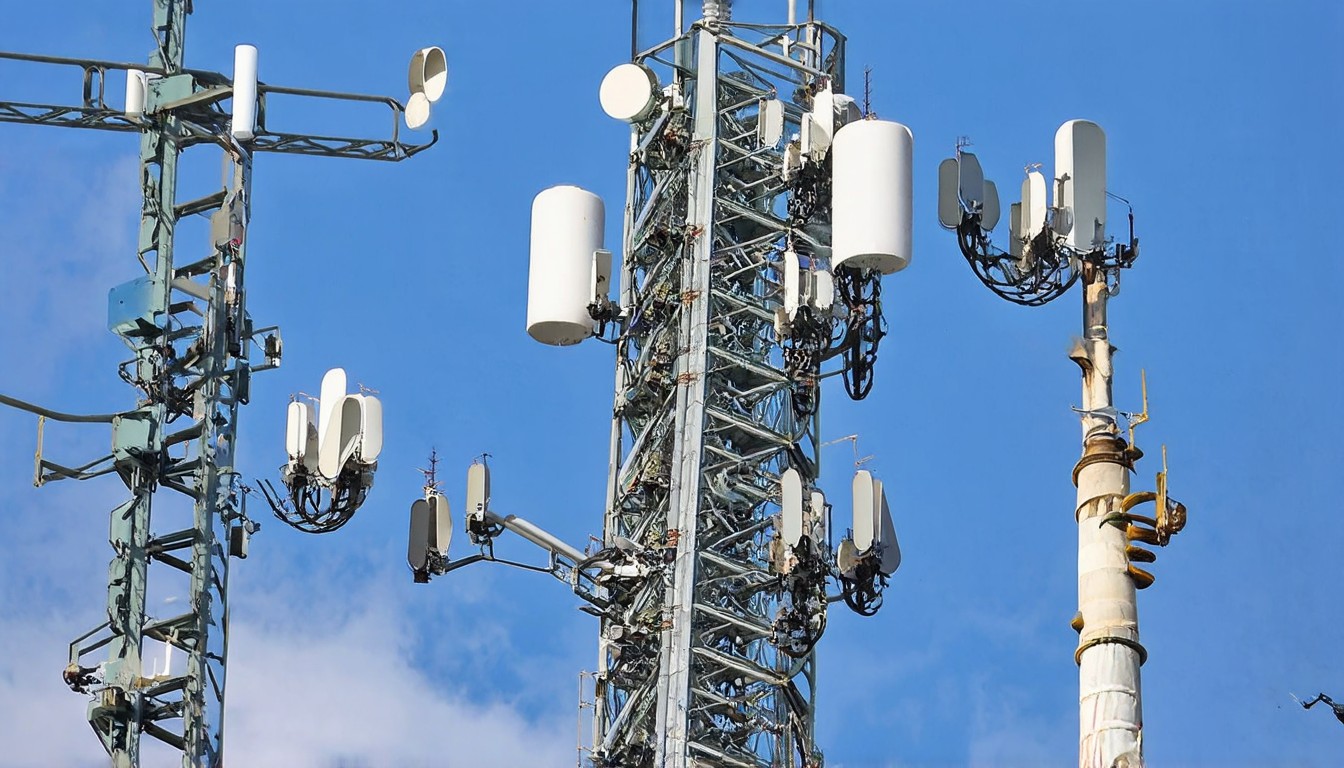
In recent weeks, Italy has witnessed heightened tensions among telecommunications companies (telcos) as they vie for control of the nation's mobile network infrastructure. The dispute is driven by Italy's unique tower-market dynamics, where Inwit, a local infrastructure provider, holds a dominant, near-monopolistic position. This situation has led to market-specific pressures that are reshaping the competitive landscape in the Italian telecom sector.
Inwit's dominance in the tower market stems from its extensive network coverage and strategic partnerships with major telcos. However, this near-monopoly has sparked concerns among smaller telcos, which argue that Inwit's high tower rental fees and limited access to infrastructure are stifling competition and driving up costs for consumers. These telcos are now pushing for greater control over the tower market to reduce expenses and improve their competitiveness.
The recent moves by local telcos are largely seen as a market correction. Analysts believe that the dispute reflects Italy's unique tower dynamics, where the infrastructure provider has significant influence over the telecom sector. This has led to a situation where telcos are forced to negotiate unfavorable terms with Inwit, resulting in higher operational costs and reduced profitability.
One of the key factors contributing to this tension is the high tower rental fees charged by Inwit. Many telcos argue that these fees are exorbitant and disproportionate to the actual costs of maintaining and operating the towers. They contend that Inwit's dominant position allows it to leverage its market power to extract excessive profits, which in turn translates into higher prices for consumers.
In response to these concerns, some telcos have begun exploring alternative strategies to reduce their reliance on Inwit's towers. This includes investing in their own infrastructure, partnering with other telcos to share tower costs, and even pursuing collaborations with international telecom giants to gain access to more affordable tower solutions.
However, these efforts are not without their challenges. Building and maintaining their own towers is a costly and time-consuming process, requiring significant upfront investment and expertise. Additionally, the Italian regulatory environment has historically favored Inwit, making it difficult for new entrants to challenge its dominance.
Despite these obstacles, the growing pressure from telcos is likely to force Inwit to reconsider its pricing strategies and infrastructure policies. Regulators may also be called upon to intervene and ensure a more level playing field for all players in the market.
In the broader context of the European telecom market, Italy's tower dynamics serve as a cautionary tale about the risks of market concentration and the importance of fostering competition. As the country's telcos grapple with the challenges posed by Inwit's near-monopoly, the rest of the industry watches closely, eager to learn from the outcomes of this unique case study.
Ultimately, the resolution of this tower dispute will have far-reaching implications for the Italian telecom sector, as well as for the broader European market. It will determine whether Inwit can maintain its dominant position or whether the pressure from telcos and regulators will force it to adapt and create a more competitive landscape for all stakeholders.