To Lam emerges as Vietnam’s ‘supreme leader’ after being elected president
Vietnam’s Communist Party boss To Lam was elected president by the National Assembly on Tuesday, capping his bid to centralise authority in a nation where senior cadres have traditionally governed collectively. In less than two years as party chief, the 68-year-old has swept aside rivals and transformed the country through an aggressive reform drive – literally redrawing the map as he combined provinces and slashed bureaucracy. Lam has set an ambitious target of 10 per cent annual growth for the...
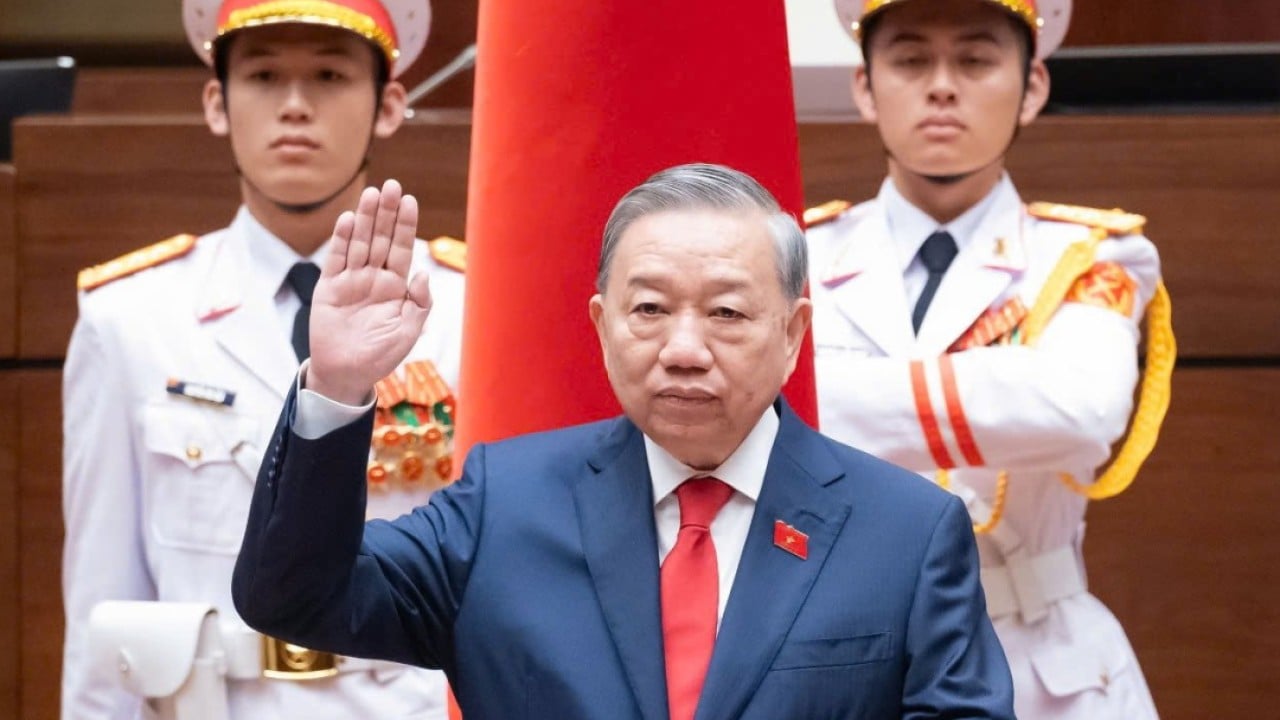
Vietnam’s Communist Party boss To Lam was elected president by the National Assembly on Tuesday, marking a significant shift in the country’s political landscape. This move solidifies Lam’s position as the nation’s ‘supreme leader’ and signals a departure from the traditional collective governance practiced by senior cadres.
In less than two years since assuming the role of party chief, the 68-year-old To Lam has demonstrated a relentless drive to centralize authority. His rise to power has been marked by the swift removal of rivals and a bold reform agenda that has transformed Vietnam in profound ways. One of the most visible manifestations of this transformation is the literal redrawing of the country’s map. Under Lam’s leadership, provinces have been combined, reducing the number from 63 to 33, a move aimed at streamlining administrative structures and cutting through bureaucratic inefficiencies.
This aggressive reform drive has not been limited to territorial reorganization. To Lam has also focused on slashing bureaucracy, a longstanding issue in Vietnam’s government. By reducing the number of administrative layers, he hopes to create a more efficient and responsive system that can better serve the needs of the people. This is part of a broader strategy to modernize the country and position it for sustained economic growth.
In addition to these structural changes, To Lam has set an ambitious target of achieving 10 percent annual growth for Vietnam’s economy. This goal reflects his vision for a dynamic and prosperous nation, one that can compete effectively on the global stage. To achieve this, Lam has emphasized the need for increased investment in technology, infrastructure, and human capital. He has also advocated for greater openness to foreign investment and trade, positioning Vietnam as a key player in the region’s economic integration.
However, To Lam’s centralization of power has not been without controversy. Critics argue that this shift away from collective leadership could lead to increased concentration of authority and potential risks to political stability. They also question whether the rapid pace of reform will be sustainable in the long term.
Despite these concerns, To Lam’s election as president is a clear endorsement of his leadership by the National Assembly. It underscores the confidence placed in his ability to steer Vietnam through this period of transformation and to achieve the ambitious growth targets he has set.
In the coming years, it will be crucial to watch how To Lam’s reforms play out and what impact they have on Vietnam’s society and economy. As the country continues to evolve under his leadership, the world will be closely monitoring its progress, particularly as it navigates the complexities of balancing rapid modernization with the maintenance of political stability.
In conclusion, the election of To Lam as Vietnam’s president marks a pivotal moment in the country’s history. It represents a bold move towards centralized leadership and a transformative reform agenda that seeks to reshape the nation’s political and economic landscape. While the challenges ahead are significant, the confidence expressed by the National Assembly in To Lam’s leadership offers a glimpse of the optimism and ambition driving Vietnam’s future.