TMC candidates summoned for federal probes, Mamata hits out
Four Trinamool Congress candidates face questioning or summons from federal agencies ahead of the April assembly elections, amid allegations of corruption.
In the lead-up to the April assembly elections in India, the Trinamool Congress (TMC) is facing a significant challenge as four of its candidates are being probed by federal agencies for alleged corruption. This development has raised concerns among political observers and has prompted the party's leader, Mamata Banerjee, to take a strong stand against the allegations.
The federal agencies, including the Central Bureau of Investigation (CBI) and the Enforcement Directorate (ED), have issued summons to the four TMC candidates, citing various corruption cases. These summons have come as a surprise to many, particularly given the TMC's stronghold in West Bengal, where Mamata Banerjee has been the chief minister since 2011. The allegations range from corruption in public works projects to irregularities in land deals and other financial transactions.
The TMC has vehemently denied the allegations, with party spokespersons insisting that the cases are politically motivated and are being pursued to undermine the party's chances in the upcoming elections. They argue that the timing of the summons is not coincidental, as the assembly elections are scheduled for April, and the federal agencies are using these cases to create an unfavorable environment for the TMC.
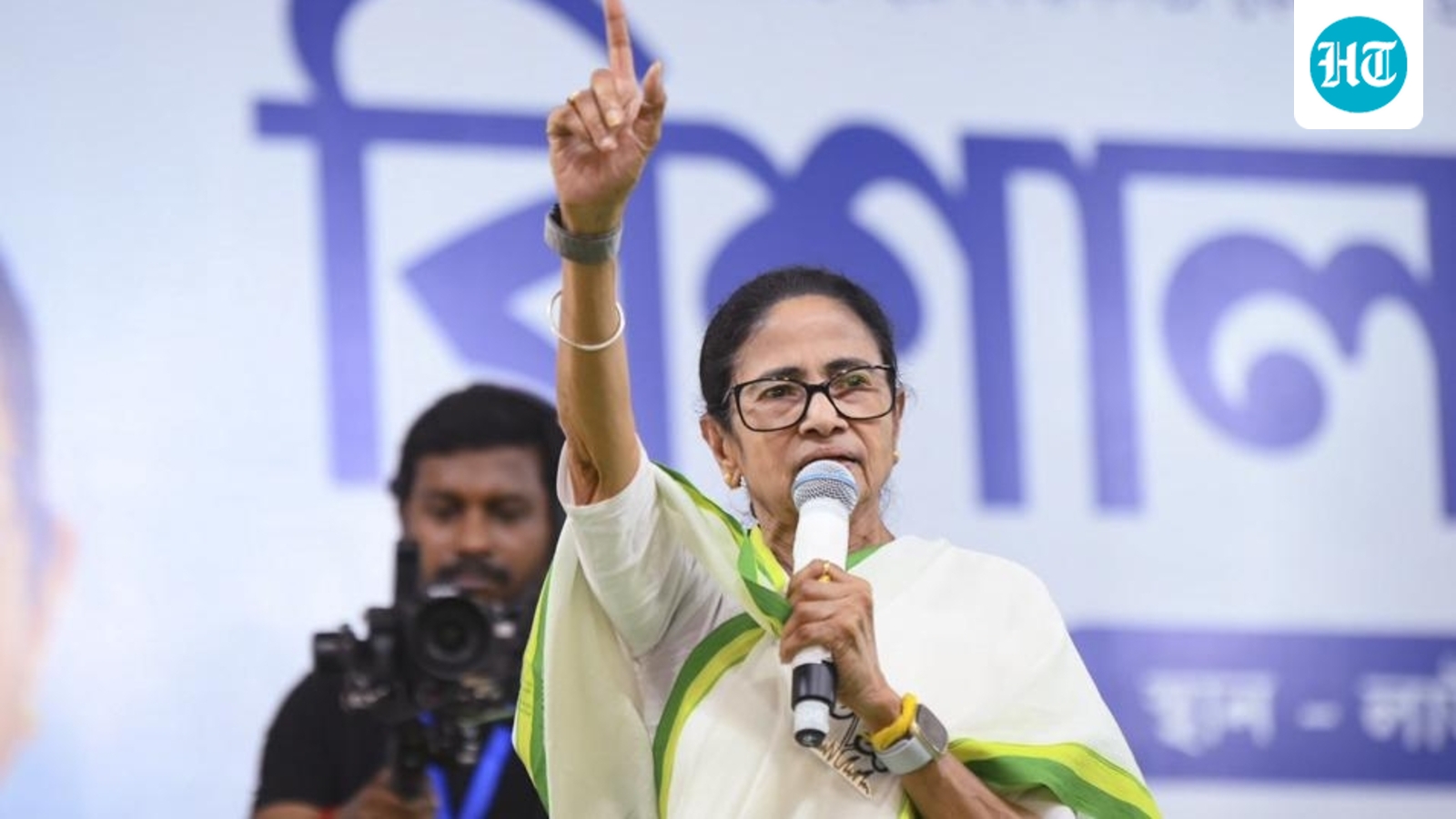
Mamata Banerjee herself has taken to the podium to defend her party and its candidates. In a recent speech, she accused the central government of using the judicial apparatus to target the TMC and to influence the election outcome. She emphasized the party's commitment to clean governance and transparency, and vowed to fight the allegations with vigor.
"These summons are not about the truth or justice," Banerjee declared. "They are about politics and power. The central government wants to use the judiciary to interfere in the state elections. But we will not allow it. We will defend our candidates and our party with all our might."
The TMC's stance has been met with mixed reactions. Supporters of the party have rallied behind its leadership, accusing the central government of using corruption cases as a tool to suppress the TMC's influence. They argue that the allegations are baseless and are being pursued solely to weaken the party ahead of the elections.
On the other hand, opposition parties and political analysts have expressed concern about the allegations and the potential impact on the electoral process. They argue that the federal agencies have a legitimate role in investigating corruption, regardless of the political implications. Some have called for a thorough investigation into the allegations to ensure that the elections are conducted fairly and transparently.
The situation is further complicated by the fact that the TMC has been in power in West Bengal for over a decade, and this is the first time that federal agencies have taken such a strong interest in its candidates. This has led some to question whether the allegations are genuine or if they are part of a larger political strategy.
As the election date approaches, the TMC is under immense pressure to address the allegations and to reassure its voters that the party remains committed to fighting corruption. The party has launched a series of rallies and meetings to mobilize its support and to counter the allegations.
In response to the summons, the TMC has filed several petitions in the courts, arguing that the cases are baseless and that the candidates should be allowed to participate in the elections without any interference. The party has also called for a judicial inquiry into the allegations, to determine whether the federal agencies have acted appropriately.
The federal agencies, for their part, have maintained that they are acting in accordance with the law and that their investigations are impartial and objective. They have stated that they are not influenced by politics and that their primary concern is to uphold the rule of law and to ensure that corruption is not allowed to flourish.
The situation is likely to remain tense in the weeks leading up to the elections. The TMC will be under pressure to defend its candidates and to reassure its voters that the party remains committed to clean governance. Meanwhile, the federal agencies will continue their investigations, and the outcome of the cases will have a significant impact on the political landscape of West Bengal.
In conclusion, the summons issued by federal agencies to four Trinamool Congress candidates have created a significant challenge for the party ahead of the April assembly elections. The allegations of corruption have sparked a political firestorm, with the TMC accusing the central government of using the judiciary to interfere in the elections. The situation is likely to remain unresolved until the elections are over, and the outcome of the cases will have a lasting impact on the political dynamics of West Bengal.