Time to buy the most rubbish stocks you can find
The dash for trash
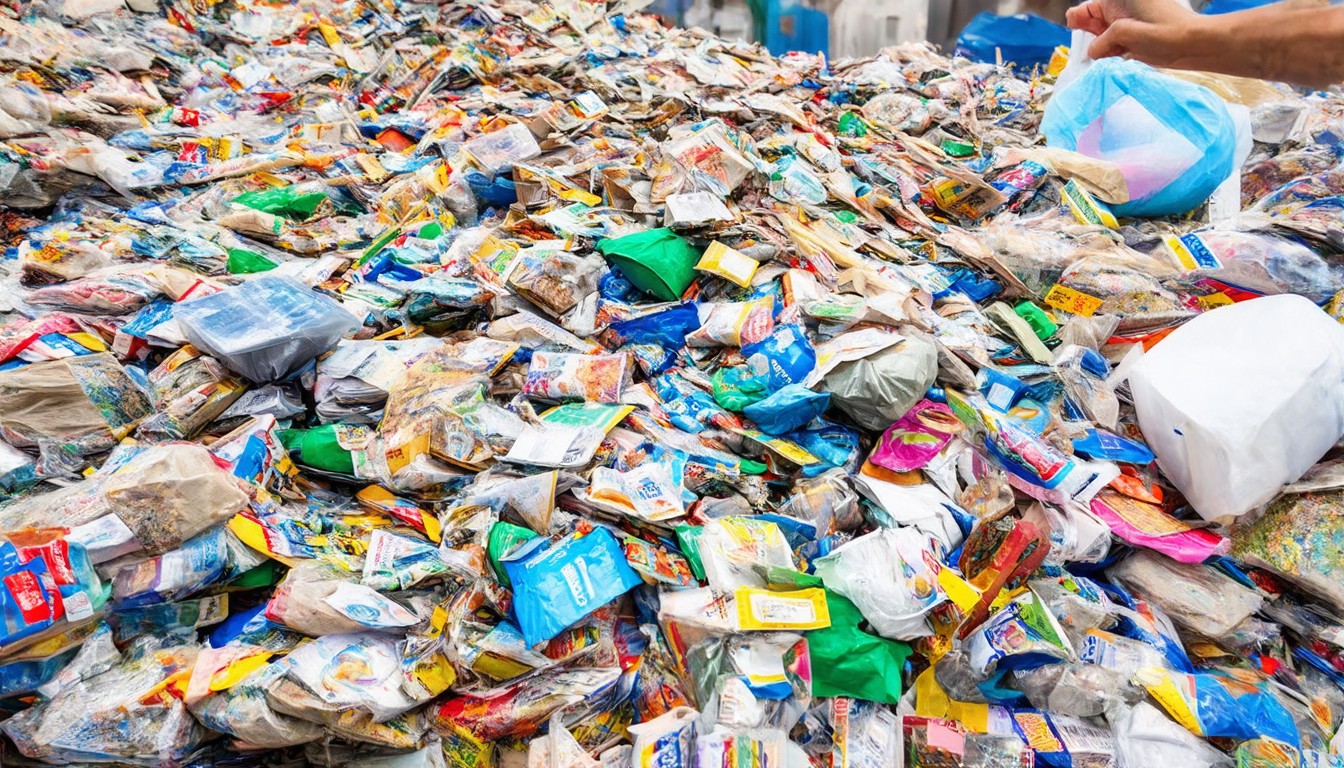
In a world where investors are increasingly desperate for returns, a peculiar trend has emerged: the "dash for trash." This term, coined by market observers, refers to the frenzied buying of stocks that are widely regarded as poor investments. These so-called "rubbish stocks" are companies with weak financials, questionable management, and little potential for growth. Yet, in the face of dwindling yields on safer assets and a general sense of malaise in the market, many investors are willing to overlook these red flags in the hope of striking gold.
The roots of this trend can be traced back to a combination of factors. First, the prolonged period of low interest rates has made it difficult for investors to find attractive returns on traditional assets like bonds. With yields on government bonds hovering near zero in many developed economies, investors have been forced to look elsewhere for income. This has led to a surge in demand for stocks, even those that are perceived as risky.
Second, the recent volatility in the stock market has created a sense of urgency among investors. After years of steady growth, the market has experienced significant fluctuations, leading many to question the value of their holdings. In this environment, some investors are turning to "trash" stocks as a way to capitalize on potential short-term gains, hoping to ride out the storm.
However, the rush to buy rubbish stocks is not without its risks. These companies often operate in saturated markets, have high levels of debt, and may be vulnerable to regulatory scrutiny. Investors who buy into these stocks are essentially betting on the idea that the market will overlook these issues and focus solely on the potential for a rebound.
Despite the risks, the dash for trash is not without its proponents. Some investors argue that rubbish stocks offer a unique opportunity to identify undervalued companies. They contend that in a market where valuations are often inflated, these stocks may represent a bargain, and that a turnaround in the company's fortunes could yield significant returns.
Others, however, warn that the rush to buy rubbish stocks could lead to a speculative bubble. If too many investors pile into these stocks, their prices could rise artificially, creating a sense of euphoria that masks underlying weaknesses. When the market eventually corrects, investors could face significant losses.
The dash for trash also raises questions about the role of investors in the market. Are they acting rationally, seeking out value in a difficult environment, or are they succumbing to fear and greed? This trend highlights the tension between rational decision-making and emotional responses to market conditions.
In the end, the success of the dash for trash will depend on a variety of factors. If the companies in question can deliver on their promises and the market remains buoyant, some investors may indeed strike gold. However, if the underlying issues prove insurmountable, the rush to buy rubbish stocks could turn into a costly misstep.
As the market continues to evolve, it remains to be seen whether the dash for trash will fade away or become a permanent feature of the investment landscape. One thing is clear, however: in a world where returns are scarce, investors are willing to take risks in search of gains. The question is, will they be rewarded, or will they find themselves holding the ultimate trash stock—their own regret.