Three members of Greek government quit over EU farm subsidy scandal, state TV says
Most of the fraudulent subsidies went to the island of Crete, where the family of Prime Minister Kyriakos Mitsotakis has been politically influential for over a century.
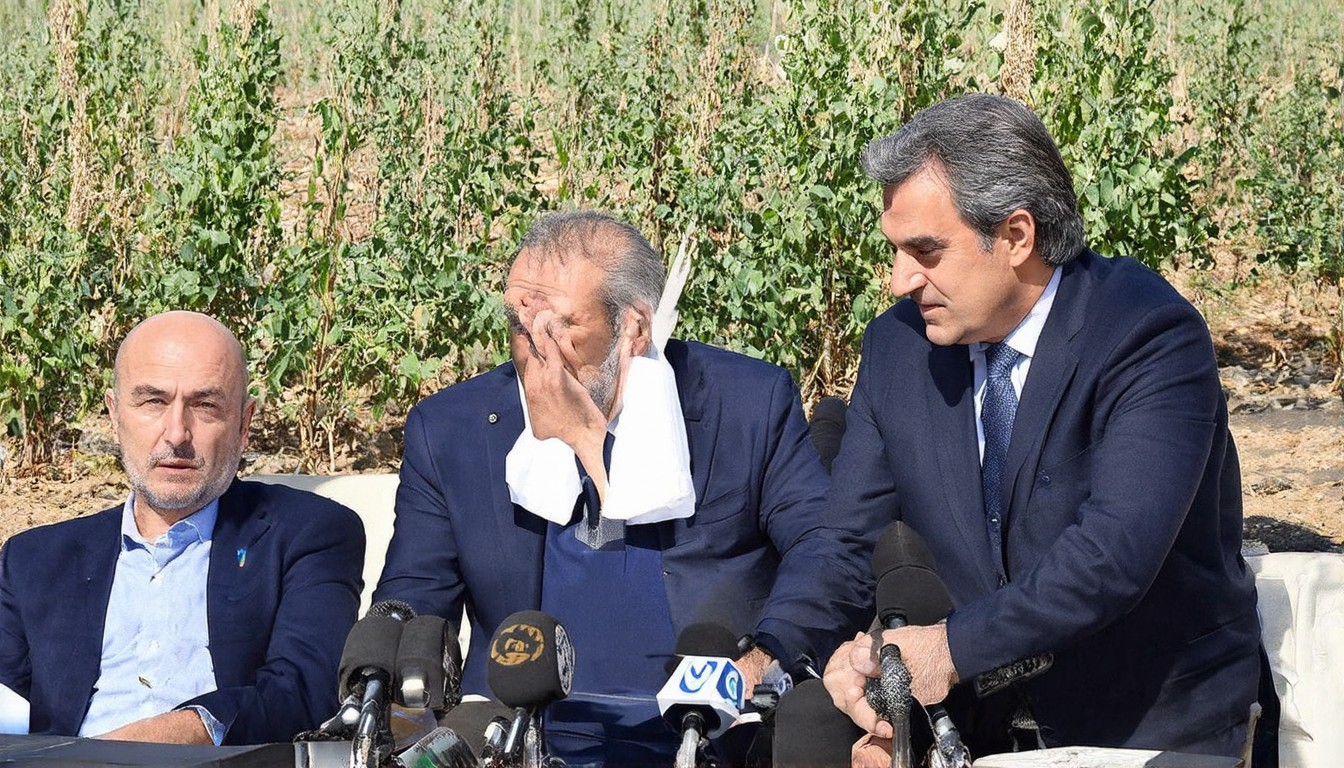
Three members of the Greek government have resigned amid a scandal involving fraudulent European Union (EU) farm subsidies, according to Greek state television. The resignations come as investigations into the alleged misuse of funds intensify, raising questions about the integrity of the country's agricultural subsidy system.
The scandal has drawn particular attention due to its connection to the island of Crete, where the family of Prime Minister Kyriakos Mitsotakis has held significant political influence for over a century. The Mitsotakis family has long been a dominant force in Greek politics, with Kyriakos Mitsotakis himself serving as the country's prime minister since 2019. Critics have suggested that the family's political ties may have played a role in the mismanagement of the subsidies, though no direct links have been established.
The fraudulent subsidies, which total an estimated €100 million, were allegedly funneled to farmers on Crete through a complex network of shell companies and fake invoices. Investigators have discovered that many of the beneficiaries were not legitimate farmers but rather individuals connected to political and business circles. The scale of the fraud has prompted calls for a thorough overhaul of Greece's agricultural subsidy program, which has long been plagued by allegations of corruption and mismanagement.
The resignations of the three government officials, including a deputy minister and two high-ranking officials from the Ministry of Agriculture, are seen as a direct response to mounting pressure from both domestic and international stakeholders. The European Commission has expressed concern over the scandal and has initiated its own inquiry into the matter, emphasizing the need for transparency and accountability.
Critics have accused the Greek government of failing to adequately address corruption in the agricultural sector, citing a history of similar scandals under previous administrations. The current administration, which has been in power since 2019, has pledged to tackle corruption and improve governance, but the subsidy scandal has cast a shadow over these efforts.
The situation on Crete, where the majority of the fraudulent subsidies were allegedly distributed, has become a focal point of the controversy. The island's strategic location and rich agricultural heritage have made it a key player in Greece's agricultural economy. However, the allegations have now tarnished its reputation, with many questioning whether the island's political connections have facilitated the misuse of EU funds.
As the investigation continues, Greek authorities are under pressure to deliver a comprehensive report on the fraud and to implement reforms to prevent future misconduct. The resignations of the three government officials are a stark reminder of the challenges facing Greece in its quest to clean up its political and economic systems. The EU, which has long been a significant source of funding for Greece, will closely monitor the situation, as the subsidy scandal could have wider implications for the country's relationship with Brussels.
In the coming weeks, it will be crucial for the Greek government to demonstrate its commitment to transparency and accountability. The resignations signal a recognition of the severity of the issue, but it remains to be seen whether they will be enough to restore public trust and address the systemic issues at the heart of the scandal. As the investigation unfolds, the spotlight will remain on Crete and the broader implications for Greece's political landscape.