
This Week in Literary History: Maurice Sendak’s Where the Wild Things Are is Published
This first appeared in Lit Hub’s Literary History newsletter—sign up here. When Maurice Sendak published Where the Wild Things Are, on April 9, 1963, he had been working as an illustrator for some 15 years—at 20, he was designing windows at FAO
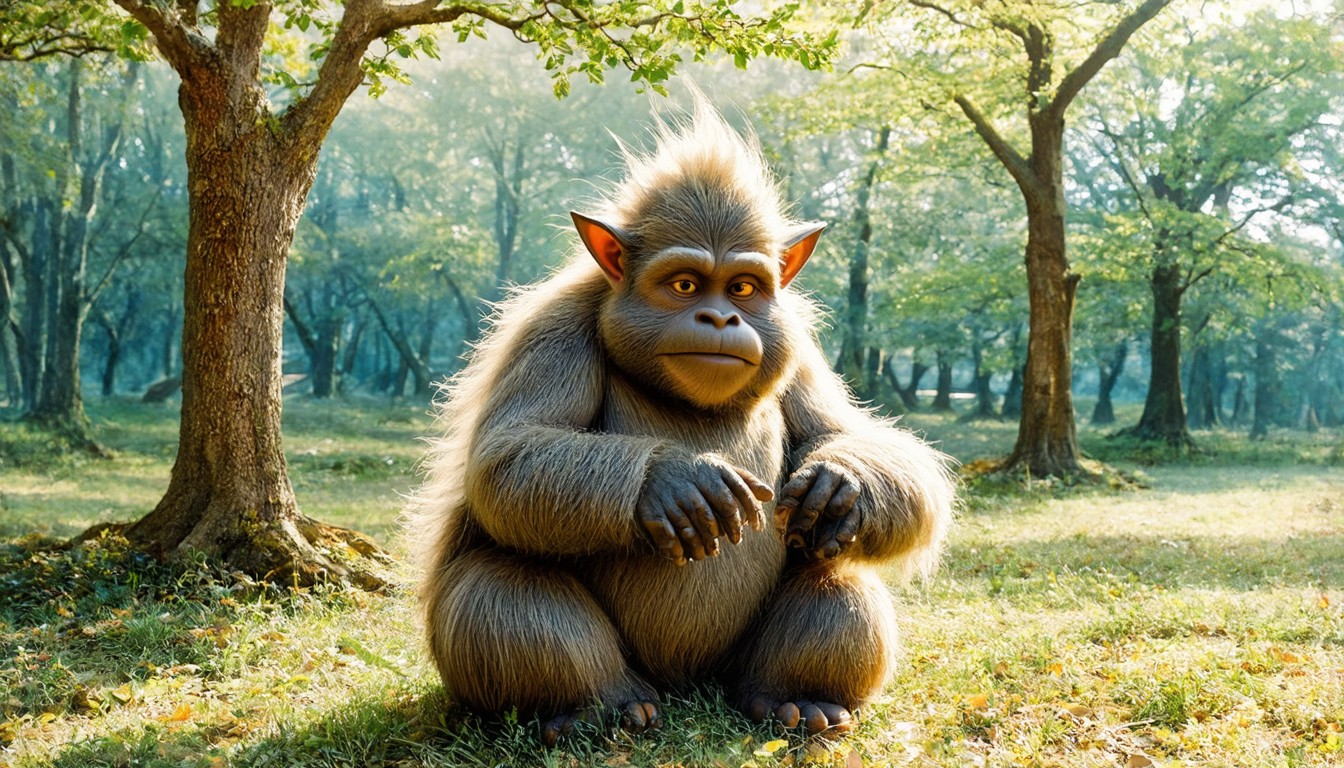
On April 9, 1963, Maurice Sendak published "Where the Wild Things Are," a pivotal moment in both his career and the world of children's literature. At the time, Sendak had already been working as an illustrator for nearly 15 years. His journey began at the age of 20, when he designed windows for FAO Schwarz, a department store known for its elaborate displays. This role led him to the storied children's book editor Ursula Nordstrom, who would become a significant influence in his career.
Sendak's early years were marked by a self-directed education in art. Unlike many children, he did not idolize athletes or movie stars; instead, he pinned magazine clippings of Titian and El Greco paintings on his bedroom walls. He spent countless hours sketching his family and the children playing outside his apartment window, honing his unique style through observation and practice.
Before "Where the Wild Things Are," Sendak had already published two children's books: "Kenny's Window" (1956) and "The Nutshell Library" (1962), which actually comprised four books in a small box. Despite his lack of formal art education, Sendak's talent and dedication had already caught the attention of the literary world.
"Where the Wild Things Are" tells the story of a young boy named Max, who is sent to bed without supper for being a "wild thing." In his imagination, Max becomes the king of all wild things, ruling over a fantastical realm. However, he eventually returns to reality. The book's whimsical narrative and vivid illustrations captivated both children and adults, earning it the Caldecott Medal in 1964, an award given to the "most distinguished American picture book for children published in the United States during the year."
The book's creation was not without its challenges. Initially, Sendak intended to title it "Where the Wild Horses Are," but his editor suggested changing it to "Where the Wild Things Are" after realizing he struggled with drawing horses. Sendak later revealed that the creatures in the book were inspired by his relatives, many of whom had since passed away, allowing him to joke that he could now tell people they were his relatives.
The publication of "Where the Wild Things Are" marked the beginning of a prolific career for Sendak. The book's success catapulted him to fame and solidified his reputation as one of the most important children's book authors and illustrators of his time. His work continues to be cherished by generations of readers, celebrated for its artistic brilliance and emotional depth.
Sendak's journey from designing windows at FAO Schwarz to becoming a legendary figure in children's literature is a testament to his passion, talent, and relentless pursuit of his craft. "Where the Wild Things Are" remains a timeless classic, inspiring both children and adults to embrace their inner wildness and the power of imagination.









