This Texas House GOP nominee once urged Republicans to soften their immigration rhetoric. He’s changed his tune.
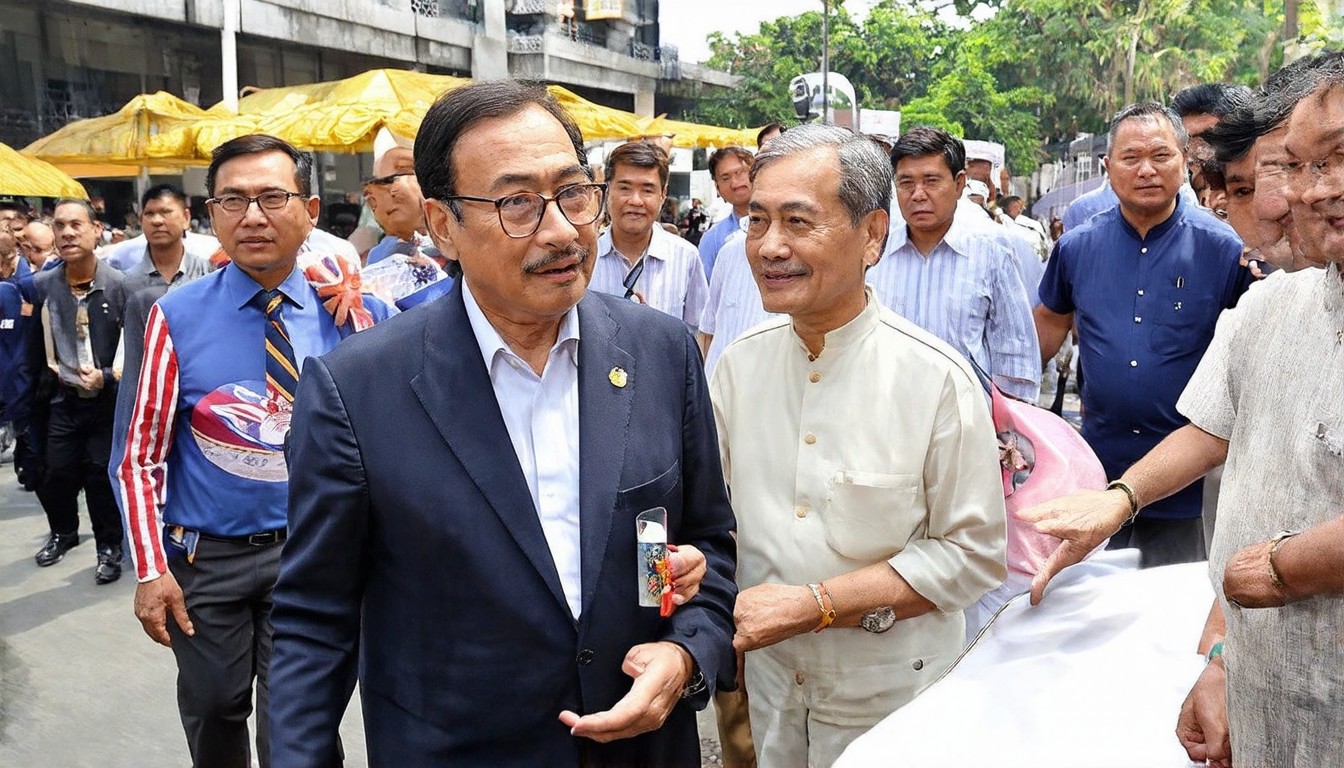
In 2012, the New York Times interviewed Brad Bailey at the Republican National Convention about his efforts to get the party “stop the hatred language and fix the problem.”

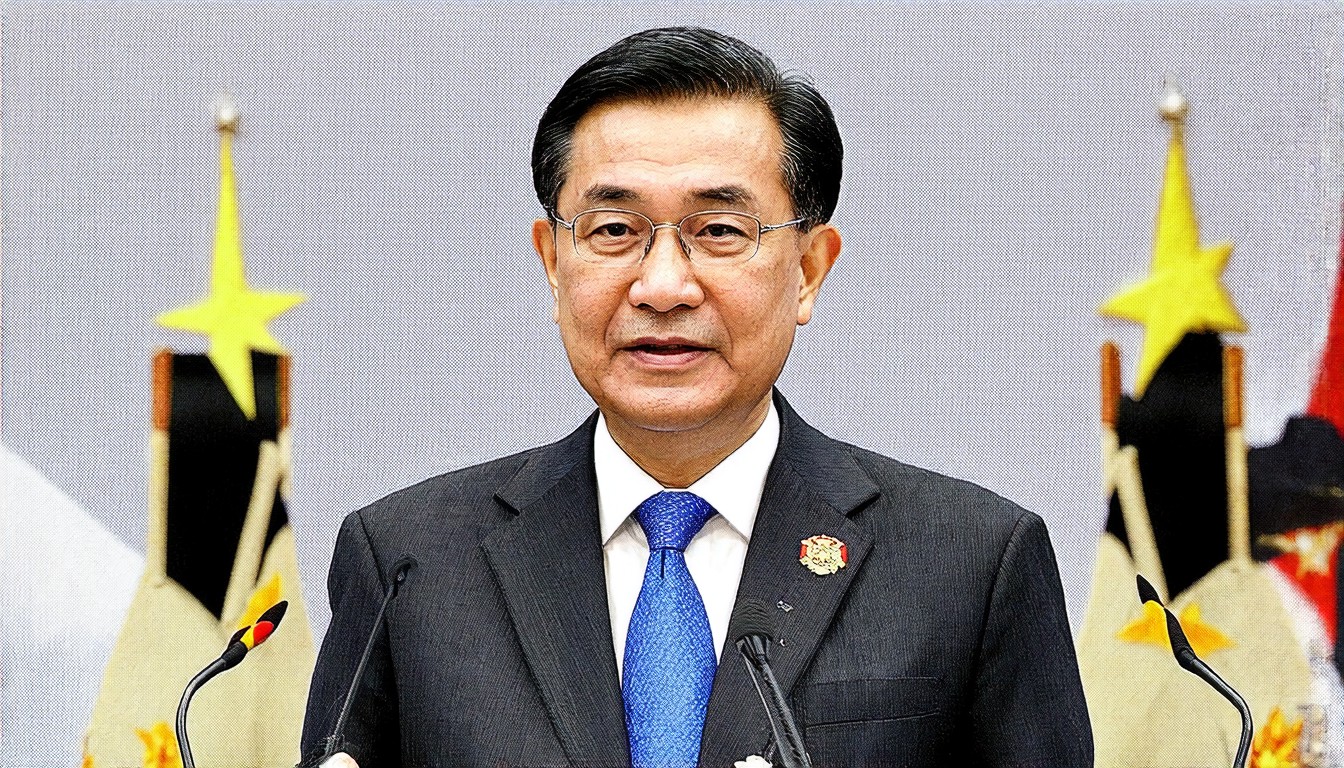
Brad Bailey, a conservative candidate running for the Texas House of Representatives District 15, has recently come under scrutiny for a significant shift in his stance on immigration policy. In 2012, Bailey was quoted in the New York Times as urging Republicans to soften their rhetoric on immigration and address the issue constructively. At the time, he was a young Republican activist attending the Republican National Convention, where he expressed a desire to move the party away from what he perceived as divisive language.
Eight years later, Bailey's political trajectory has taken a different path. Now a candidate for a state legislative seat, he has adopted a more hardline stance on immigration, reflecting a common trend among many Republican politicians in Texas. This shift raises questions about his commitment to the principles he once advocated for and whether his evolving views align with the expectations of his constituents.
In the 2012 interview, Bailey emphasized the need for a pragmatic approach to immigration, arguing that the party should focus on finding solutions rather than fostering animosity. He highlighted the importance of addressing the root causes of immigration, such as economic instability and political unrest in neighboring countries. His call for a more moderate tone resonated with some Republicans who felt that the party's aggressive rhetoric was alienating moderate voters and hindering progress on policy.
However, Bailey's current campaign platform reflects a stark contrast to his earlier views. He now supports stricter border controls, the construction of a wall, and the deportation of undocumented immigrants. These positions are in line with the broader Republican platform in Texas, where anti-immigration sentiment is strong. This shift has led some observers to question whether Bailey's earlier advocacy for moderation was genuine or merely a strategic move to gain attention in the early stages of his political career.
Bailey's campaign has not addressed the discrepancy between his past and present stances on immigration. Instead, he has focused on his conservative credentials and his commitment to fiscal responsibility. He has argued that his evolving views reflect a pragmatic approach to politics, where he adapts his positions based on the realities of the political landscape.
Critics of Bailey argue that his change in rhetoric undermines his credibility as a candidate who once called for a more constructive approach to immigration. They contend that his current stance reflects a lack of genuine concern for the issues at hand and instead prioritizes political gain. On the other hand, supporters of Bailey argue that his willingness to adapt his views demonstrates his flexibility and ability to respond to the needs of his constituents.
As the election season progresses, Bailey's past advocacy for immigration reform is likely to become a focal point of the campaign. Voters in Texas House District 15, which includes parts of Collin and Grayson counties, may be particularly interested in his evolving stance, given the significant immigrant population in the area.
The contrast between Brad Bailey's 2012 call for a more moderate approach to immigration and his current hardline stance highlights the complexities of political evolution. For Bailey, this shift represents a journey from idealism to realpolitik, while for his critics, it underscores the challenges of holding elected officials accountable for their changing views. Ultimately, the outcome of the election will depend on how voters perceive Bailey's authenticity and his ability to deliver on the promises he makes.