
This one line in Microsoft Copilot’s terms of service undermines the entire product—and social media is just noticing
Microsoft’s AI assistant Copilot is integrated across the company’s products. It’s built into Windows 11, and recent features like Tasks and Pages are marketed as powerful tools for productivity . But one of Copilot’s Terms of Use just caught the internet’s attention for seeming to contradict that image of Copilot as a game-changer in the workplace, instead cautioning users that “Copilot is for entertainment purposes only.” “It can make mistakes, and it may not work as intended,” the statement continues, as written on Microsoft’s Copilot Terms of Use page . “Don’t rely on Copilot for important advice. Use Copilot at your own risk.” That language is a far cry from the way Copilot is typically presented to consumers. An ad for Copilot from April 2025 highlighted then-upcoming features like completing simple to-do lists on a user’s behalf, doing deep research on a given topic, and revising documents—uses that may be fun to mess around with, yes, but also have practical applications beyond the scope of “entertainment.” Social media sounds off When the Terms of Use page went viral, critics on social media were swift to pass judgment on Copilot and Microsoft. It’s never been kind to the company or its AI tools, unaffectionately dubbed “Microslop” in a trend earlier this year . This discourse is no exception, with some users wondering what Copilot’s entertainment-only clause means for the broader AI landscape. “The possibility of AI going out not with a bang, but with an ‘it was all just a silly
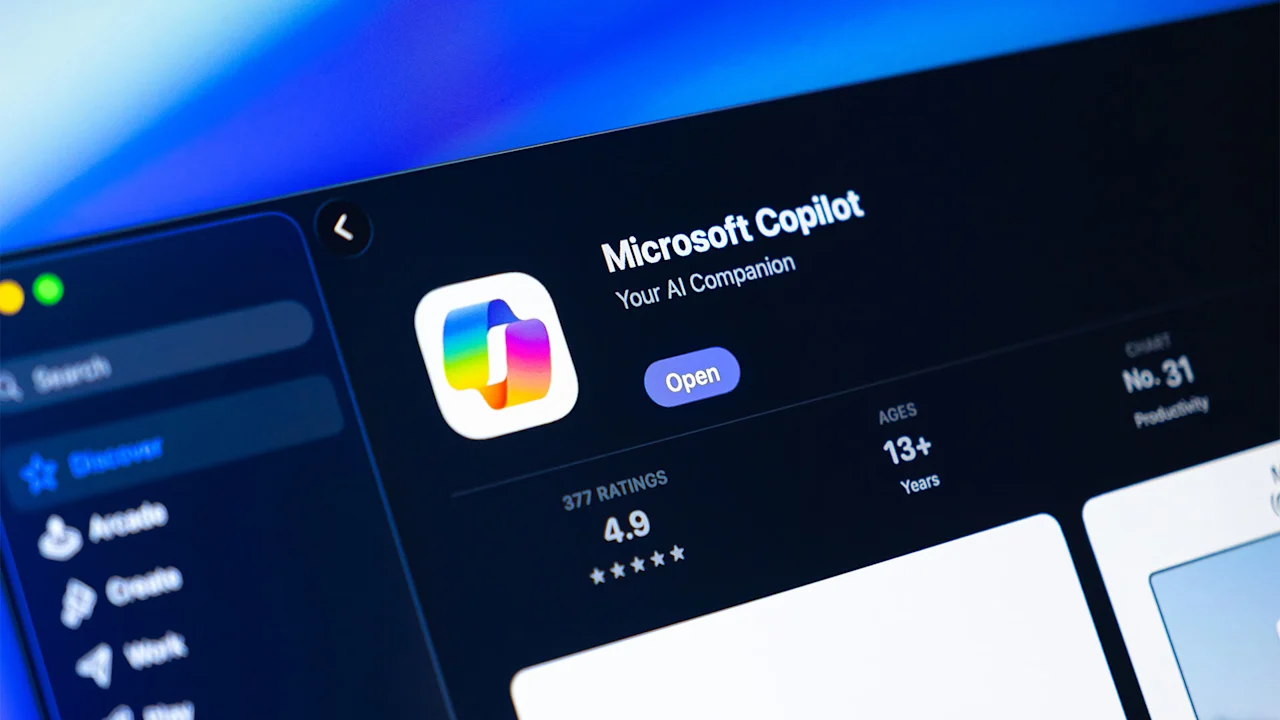
Microsoft’s AI assistant Copilot, which is integrated across the company’s products and built into Windows 11, has recently come under scrutiny due to a single line in its terms of service. The line, which states that “Copilot is for entertainment purposes only,” has sparked controversy and raised questions about the product’s practical applications in the workplace.
Copilot, which includes features like Tasks and Pages, is marketed as a powerful tool for productivity. It is designed to complete simple to-do lists, conduct deep research on various topics, and even revise documents. These capabilities suggest that Copilot has practical uses beyond the realm of entertainment. However, the terms of service language seems to contradict this image, warning users that Copilot “can make mistakes, and it may not work as intended.” The statement also advises users not to rely on Copilot for important advice and to use it at their own risk.
The discrepancy between the product’s marketing and its terms of service has led to widespread discussion on social media. Critics have taken to the internet to express their disapproval, with some users questioning what Copilot’s entertainment-only clause means for the broader AI landscape. The trend has not been kind to Microsoft or its AI tools, which have been playfully dubbed “Microslop” in a previous social media trend.
The viral nature of the terms of service page has fueled speculation about the implications of this language. Some users have joked that the possibility of AI going out not with a bang, but with an “it was all just a silly toy, we swear” after the legal department finally got through to them. Others have pointed out the irony of employees losing their jobs due to a “silly toy.”
However, not all users have been critical. Some have pointed out another line on the terms of service page, which clarifies that the entertainment-only clause does not apply to Microsoft 365 Copilot apps, the Copilot tools specifically designed for professional work, unless otherwise noted. Instead, the terms apply to the standalone Copilot app and browser-based versions.
Despite this clarification, the controversy surrounding Copilot’s terms of service has raised questions about the future of AI in the workplace. As companies continue to integrate AI tools into their products, it remains to be seen how these tools will be regulated and how users will perceive their reliability and practicality. The case of Copilot serves as a reminder that the line between entertainment and productivity in the realm of AI is still blurry, and that companies must be careful in how they market and present their products.
In response to the backlash, Microsoft has not yet issued a formal statement. However, the company has been working to integrate Copilot more deeply into its products, suggesting that it intends to position the tool as a serious productivity aid. As the debate continues, it will be interesting to see how Microsoft navigates the challenges posed by its own terms of service and how it balances the need for consumer trust with the desire to capitalize on the growing demand for AI-driven solutions in the workplace.









