
This is not China’s war, but Beijing started preparing for it years ago
Beijing boosted energy security as US President Donald Trump raised the stakes.
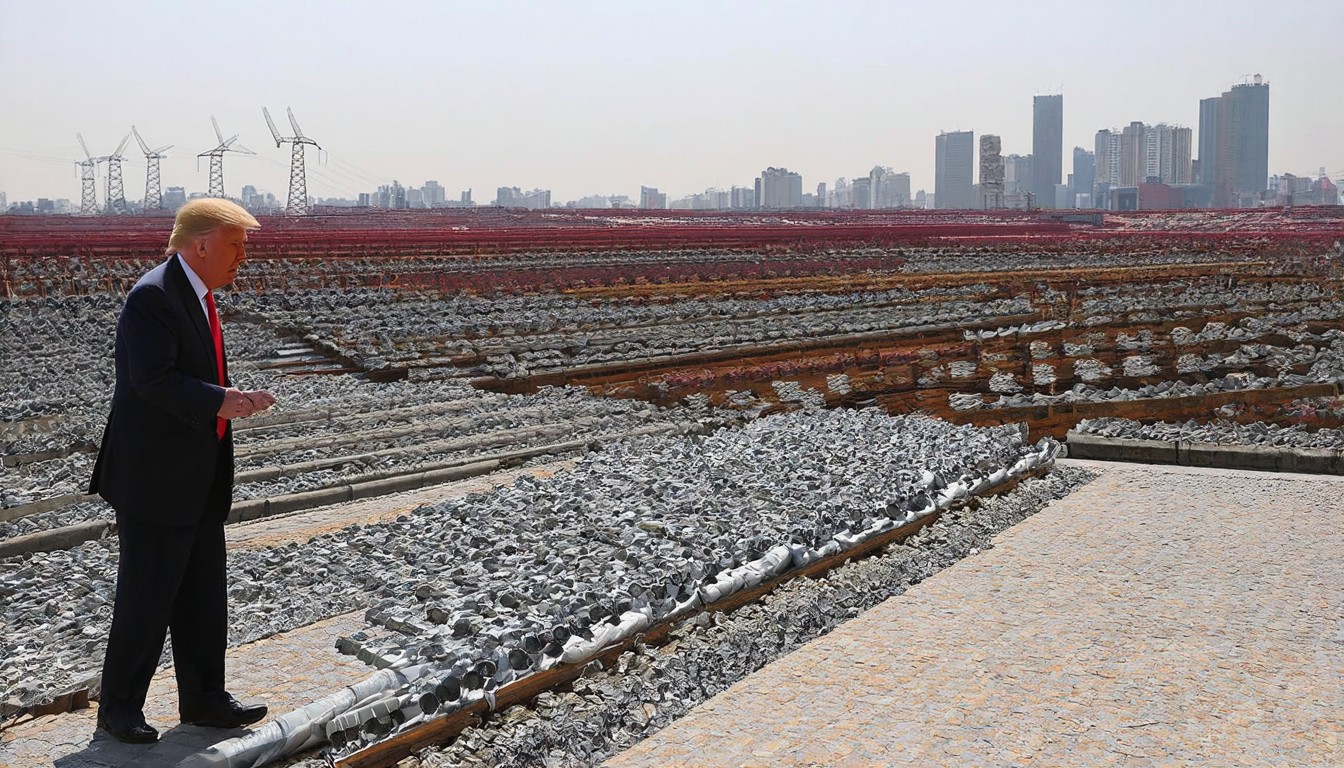
In recent years, Beijing has been quietly preparing for a potential conflict that it does not consider its own war, but one that could escalate due to geopolitical tensions. As former US President Donald Trump's administration raised the stakes in regional disputes, China has been bolstering its energy security to ensure resilience in the face of potential disruptions.
The move to enhance energy security is not a direct response to military threats but rather a strategic effort to safeguard China's economic stability. Historically, China has relied heavily on imported oil and gas, with a significant portion of its energy needs met through imports from the Middle East, Russia, and other regions. This dependence has made China vulnerable to supply chain disruptions and geopolitical tensions that could impact global energy markets.
As tensions rose during Trump's administration, particularly in the South China Sea and the East China Sea, Beijing recognized the potential risks to its energy supply chains. To mitigate these risks, China has been investing in domestic energy production, expanding its domestic reserves, and diversifying its energy sources. This includes increasing coal production, which has been a contentious issue given China's commitment to reducing carbon emissions.
In addition to domestic efforts, China has also been seeking alternative sources of energy imports. It has strengthened ties with countries in Central Asia, Africa, and South America to secure new energy supply routes. These efforts have included significant investments in infrastructure projects, such as the Belt and Road Initiative, which aims to create new trade and transportation corridors.
Moreover, China has been developing its own advanced technologies to reduce its reliance on imported energy. This includes advancements in nuclear energy, renewable energy sources like solar and wind, and even efforts in hydrogen technology. By diversifying its energy mix and investing in domestic production, China aims to reduce its vulnerability to external shocks and ensure energy security for its rapidly growing economy.
However, these measures have not been without challenges. The shift towards domestic energy production has faced criticism for its environmental impact, particularly the increased reliance on coal. Additionally, the diversification of energy imports has led to concerns about the geopolitical implications of deepening ties with certain regions.
Despite these challenges, Beijing's preparations for potential energy security disruptions have been meticulous. The city's strategy reflects a long-term vision of maintaining economic stability and ensuring national security in the face of geopolitical uncertainties. As global tensions continue to evolve, China's proactive approach to energy security serves as a reminder of its commitment to safeguarding its economic interests, even if it means navigating complex and evolving international relations.
In conclusion, while China does not view the potential conflicts as its own war, the strategic preparations it has made over the years highlight its foresight and adaptability in the face of geopolitical challenges. By bolstering energy security, China aims to ensure the continuity of its economic growth and maintain its position as a global economic powerhouse. As tensions persist, Beijing's focus on energy resilience underscores its determination to navigate the complexities of the modern world and safeguard its national interests.









