
Thirty years after Rwanda, genocide is still a problem from hell
Mass killings are at their highest level in two decades
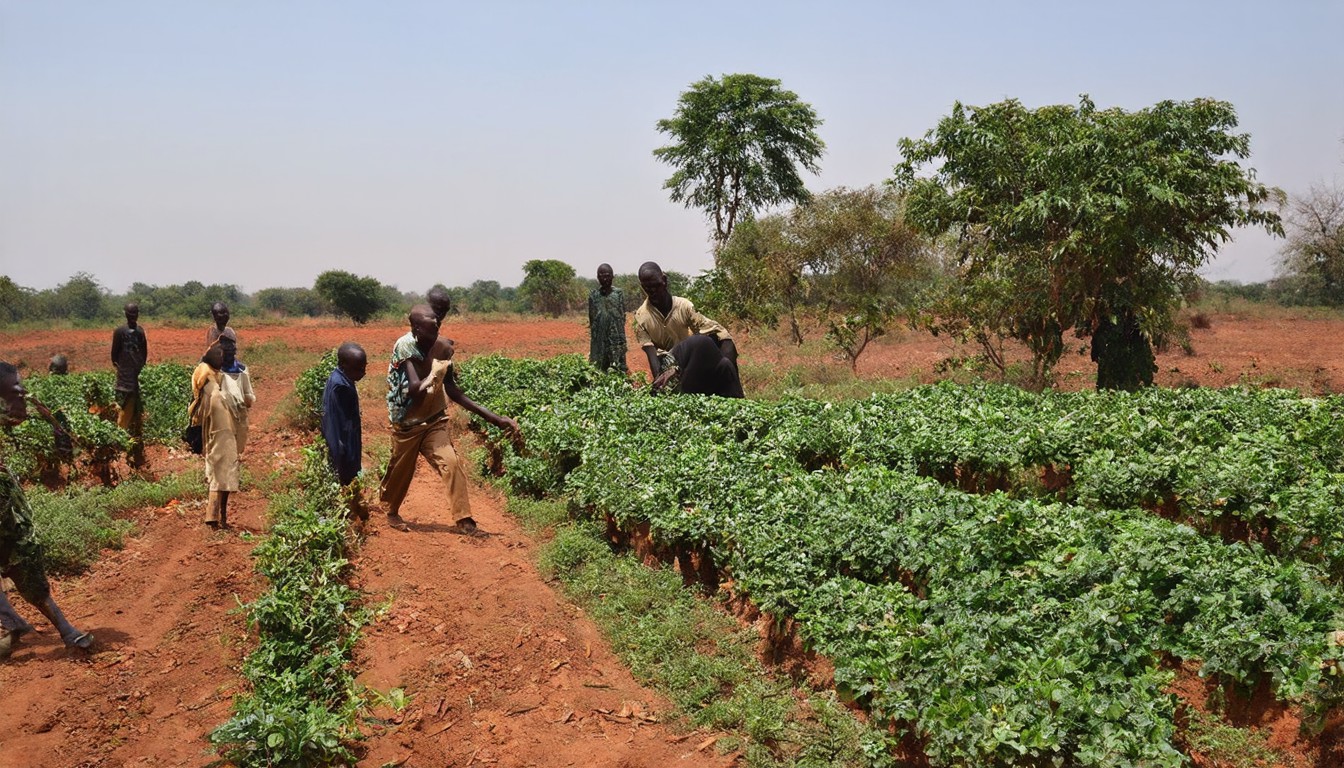
Thirty years after the horrific genocide in Rwanda, the world is once again witnessing a surge in mass killings, reaching levels not seen in two decades. The Rwandan genocide of 1994, which claimed the lives of approximately 800,000 people in just 100 days, remains a haunting reminder of the potential for unimaginable violence. Yet, despite the lessons learned and the international community's efforts to prevent such atrocities, mass killings continue to plague regions around the world.
In recent years, the number of mass killings has risen significantly, with reports indicating that the frequency and scale of these events are alarming. According to the United Nations, the global number of mass killings has increased by more than 50% since 2014. This troubling trend underscores the fragility of peace and the ongoing challenges in addressing the root causes of such violence.
One of the most troubling aspects of this resurgence is the fact that it is occurring in regions that have previously experienced similar atrocities. In many cases, the same ethnic or religious tensions that fueled the Rwandan genocide are resurfacing in other parts of the world. This raises questions about the effectiveness of post-conflict reconciliation efforts and the long-term impact of such traumatic events on societies.
The Rwandan genocide was a watershed moment that led to the establishment of the International Criminal Tribunal for Rwanda (ICTR) and the International Criminal Court (ICC). These institutions were designed to hold individuals accountable for war crimes, crimes against humanity, and genocide. While they have played a crucial role in addressing justice and promoting accountability, they have also faced criticism for their limited reach and the challenges of prosecuting perpetrators in conflict zones.
Moreover, the Rwandan genocide highlighted the critical role of international intervention in preventing mass killings. The 1994 genocide occurred in the shadow of the United Nations Assistance Mission for Rwanda (UNAMIR), which was widely criticized for its inability to prevent the carnage. The lessons learned from this failure have informed the creation of the Responsibility to Protect (R2P) doctrine, which emphasizes the international community's obligation to intervene to prevent genocide and other atrocities.
Despite these efforts, mass killings continue to occur in regions such as Syria, Yemen, and Myanmar. In these conflicts, the lines between war crimes and genocide are often blurred, making it challenging for international organizations to intervene effectively. The complexities of these conflicts, including the involvement of non-state actors and the use of asymmetric warfare tactics, further complicate efforts to prevent and respond to mass killings.
The resurgence of mass killings also raises questions about the role of technology and social media in exacerbating tensions. The rapid spread of hate speech and misinformation can fuel violence and create an environment conducive to mass killings. As such, there is a growing recognition of the need for greater regulation and accountability in the digital realm to mitigate these risks.
In the face of this troubling trend, the international community must remain vigilant and adapt its strategies to prevent mass killings. This requires not only addressing the immediate causes of violence but also investing in long-term peacebuilding initiatives that promote reconciliation and address the underlying grievances that fuel conflict.
The Rwandan genocide serves as a stark reminder of the potential for unimaginable violence and the importance of learning from history. As the world confronts a resurgence of mass killings, the lessons of Rwanda must be heeded to prevent future atrocities and ensure that the international community remains committed to upholding the dignity and rights of all people.









