
These Mini Brains Just Learned to Solve a Classic Engineering Problem
In a step toward biological computing, brain organoids rewired their networks as they learned to balance a digital pole on a cart. The post These Mini Brains Just Learned to Solve a Classic Engineering Problem appeared first on SingularityHub .
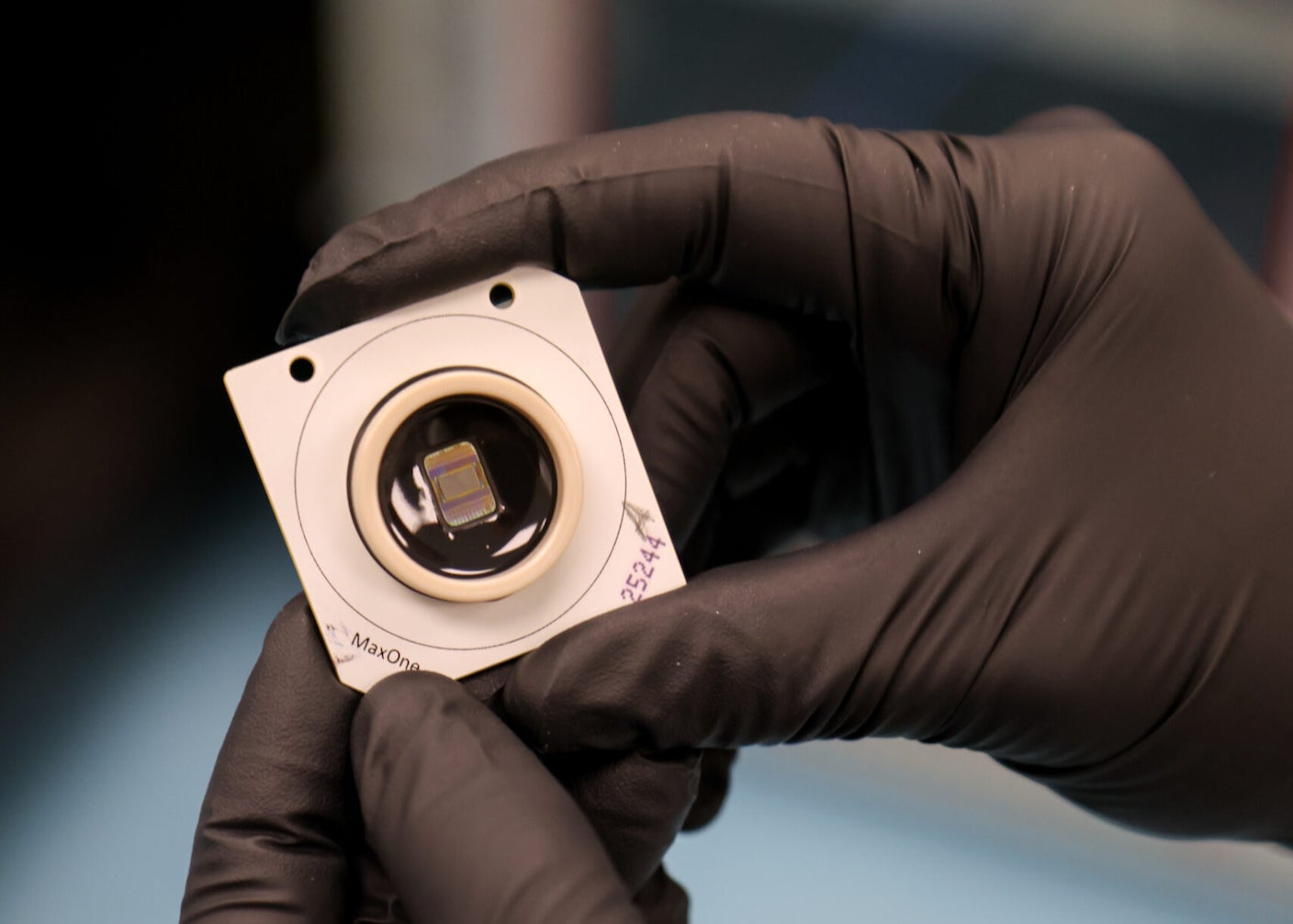
In a groundbreaking development in the field of biological computing, brain organoids have successfully learned to balance a digital pole on a cart, rewiring their neural networks in the process. This achievement, which draws inspiration from the complex task of balancing a ruler on one's hand while walking, represents a significant step forward in understanding how these miniature brain models can be trained to solve problems through reinforcement learning.
Brain organoids, which have been in the spotlight since their inception over a decade ago, are small, stem cell-derived structures packed with neurons that form intricate networks. Earlier versions of these organoids were somewhat rudimentary, resembling the neural wiring of preterm babies. However, advancements in the field have now enabled researchers to create organoids that can mimic the neural connections of a kindergartener's brain. As these mini brains continue to evolve, scientists are eager to explore their potential for learning and problem-solving.
The latest study, which challenges brain organoids with a classic engineering problem, demonstrates that these miniature brains are capable of mastering tasks through practice and feedback. In this case, the feedback is provided in the form of electrical stimulation, a technique known as reinforcement learning. This method has already been successfully applied to train artificial intelligence systems, and now it has been adapted to train brain organoids as well.
The researchers behind this study, led by Ash Robbins at the University of California, Santa Cruz, are not aiming to replace traditional silicon-based controllers with living tissue. Instead, their goal is to test the organoids' ability to adapt and learn, and to gain insights into the fundamental mechanisms that enable neurons to solve problems. By understanding how these mini brains process information and adjust their neural networks, scientists hope to gain new perspectives on how neurological diseases might impact the brain's capacity for learning.
The integration of living brain tissue with computer systems may seem like a concept straight out of science fiction. However, brain organoids have already proven to be a viable platform for exploring the intersection of biology and technology. By training these mini brains to solve problems, researchers are not only advancing the field of biological computing but also deepening our understanding of the intricate workings of the human brain.
In conclusion, the ability of brain organoids to balance a digital pole on a cart through reinforcement learning is a remarkable achievement that highlights the potential of these miniature brain models. As researchers continue to refine their techniques and expand their knowledge, the possibilities for leveraging biological systems to solve complex problems are virtually limitless. This breakthrough not only paves the way for innovative applications in technology but also offers valuable insights into the neural processes that underlie learning and adaptation in the human brain.









