
The wrong way to end a war
Dark lessons from history that explain Vladimir Putin’s “peacemaking”
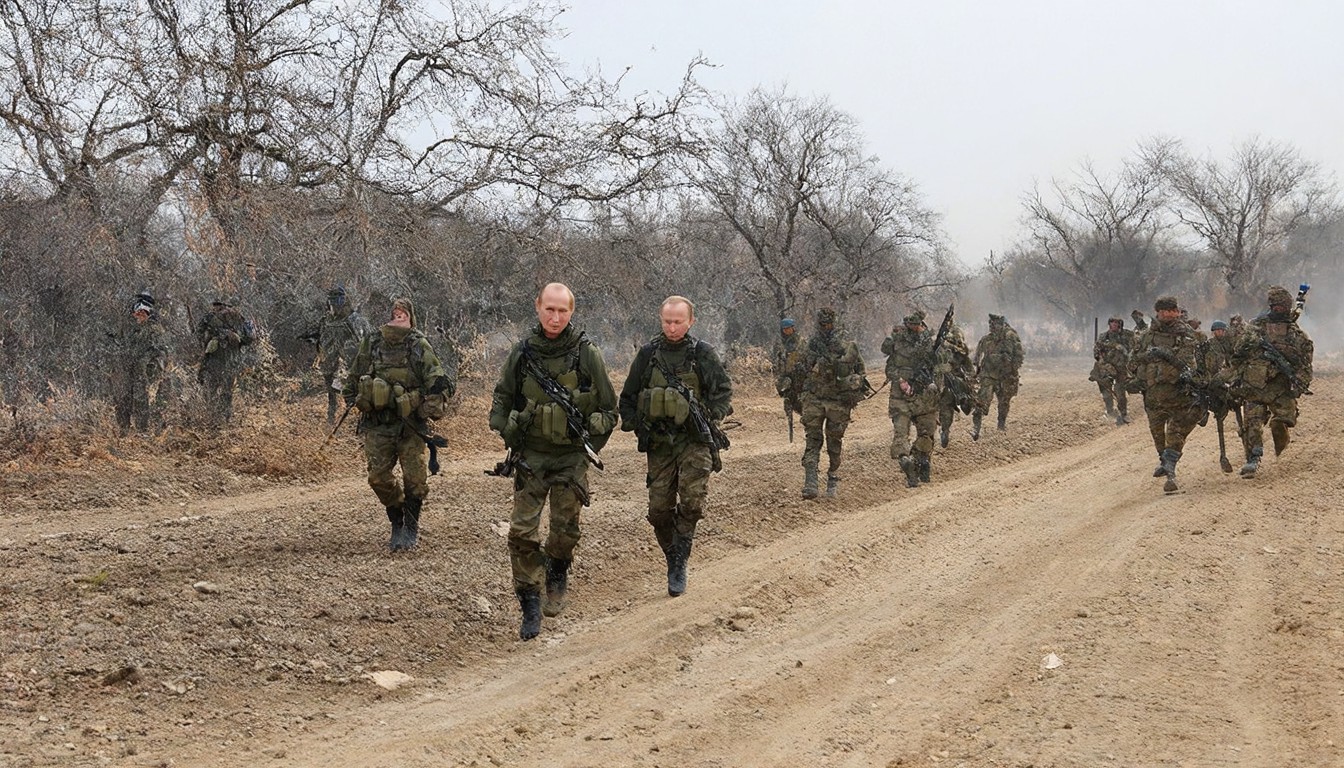
The wrong way to end a war
In recent years, the world has witnessed the tragic conflict in Ukraine, sparked by Russia's invasion in 2022. As the war drags on, the international community grapples with the question of how to bring peace to the region. Vladimir Putin, Russia's president, has repeatedly claimed that his actions are aimed at achieving a lasting peace, but history offers a cautionary tale about the consequences of such "peacemaking" strategies. By examining past conflicts and the role of aggressive leaders, we can uncover the dark lessons that explain why Putin's approach may not lead to the resolution he promises.
One of the most significant historical parallels to Putin's current actions is the policy of appeasement during the interwar period in Europe. In the 1930s, leaders like British Prime Minister Neville Chamberlain sought to avoid a major war by making concessions to Adolf Hitler. Chamberlain famously returned from a meeting with Hitler in 1938, declaring that he had secured "peace for our time." However, this policy of appeasement ultimately failed, as Hitler continued to expand his territorial ambitions, culminating in the outbreak of World War II. The catastrophic consequences of this approach were evident in the millions of lives lost and the devastation of Europe.
Another historical example is the Vietnam War, which ended in 1975 with the fall of Saigon and the unification of Vietnam under communist rule. The conflict was marked by a series of decisions made by U.S. presidents that aimed to achieve peace but ultimately led to a prolonged and costly war. President Richard Nixon's "Vietnamization" policy, which sought to transfer the burden of the war to South Vietnam, was intended to bring an end to the conflict. However, this strategy backfired, as it left South Vietnam vulnerable to a communist takeover. The war's conclusion demonstrated that a hasty or ill-conceived peace agreement can sometimes result in a more significant loss than continuing the fight.
In more recent history, the dissolution of Yugoslavia in the 1990s provides further insight into the dangers of flawed peace-making. The breakup of Yugoslavia was marked by a series of brutal wars that left hundreds of thousands of casualties and displaced millions of people. The Dayton Agreement, signed in 1995, was intended to bring peace to the region, but it was criticized for failing to address the root causes of the conflict and for allowing war criminals to evade justice. The agreement's shortcomings were evident in the recurring tensions and occasional outbreaks of violence in the years that followed.
These historical examples highlight the importance of understanding the underlying causes of conflict and the role of the leaders involved. In each case, the pursuit of peace was overshadowed by the actions of aggressive leaders who sought to expand their influence or maintain control. Putin's approach to ending the war in Ukraine mirrors these historical patterns, as he has consistently sought to justify his actions as a means to achieve peace. However, the lessons from history suggest that such strategies often fail to address the root causes of conflict and can lead to further instability and suffering.
Moreover, the role of international actors in shaping the peace process cannot be overlooked. In the case of Ukraine, the international community has been divided over how to respond to Russia's aggression. Some nations have pursued diplomatic efforts to negotiate an end to the conflict, while others have provided military support to Ukraine. The effectiveness of these strategies is still uncertain, but history teaches us that a unified and principled approach is crucial for achieving sustainable peace.
In conclusion, the dark lessons from history serve as a stark reminder of the pitfalls of flawed peace-making. Aggressive leaders, like those in the past, often use the pursuit of peace as a justification for their actions, which can ultimately lead to more conflict and suffering. The international community must be cautious in its approach to resolving the Ukraine crisis, ensuring that any peace agreement addresses the root causes of the conflict and upholds the principles of international law. Only then can a lasting and just peace be achieved.









