The Western US is already running out of water — and summer is still months away
This story was originally published by Inside Climate News and is reproduced here as part of the Climate Desk collaboration. Officials were already sounding the alarm bells in early March across the Western United States after a winter with historically low snowpacks, which supplies water for communities as it slowly melts throughout the spring and summer.  Then came the heat […]
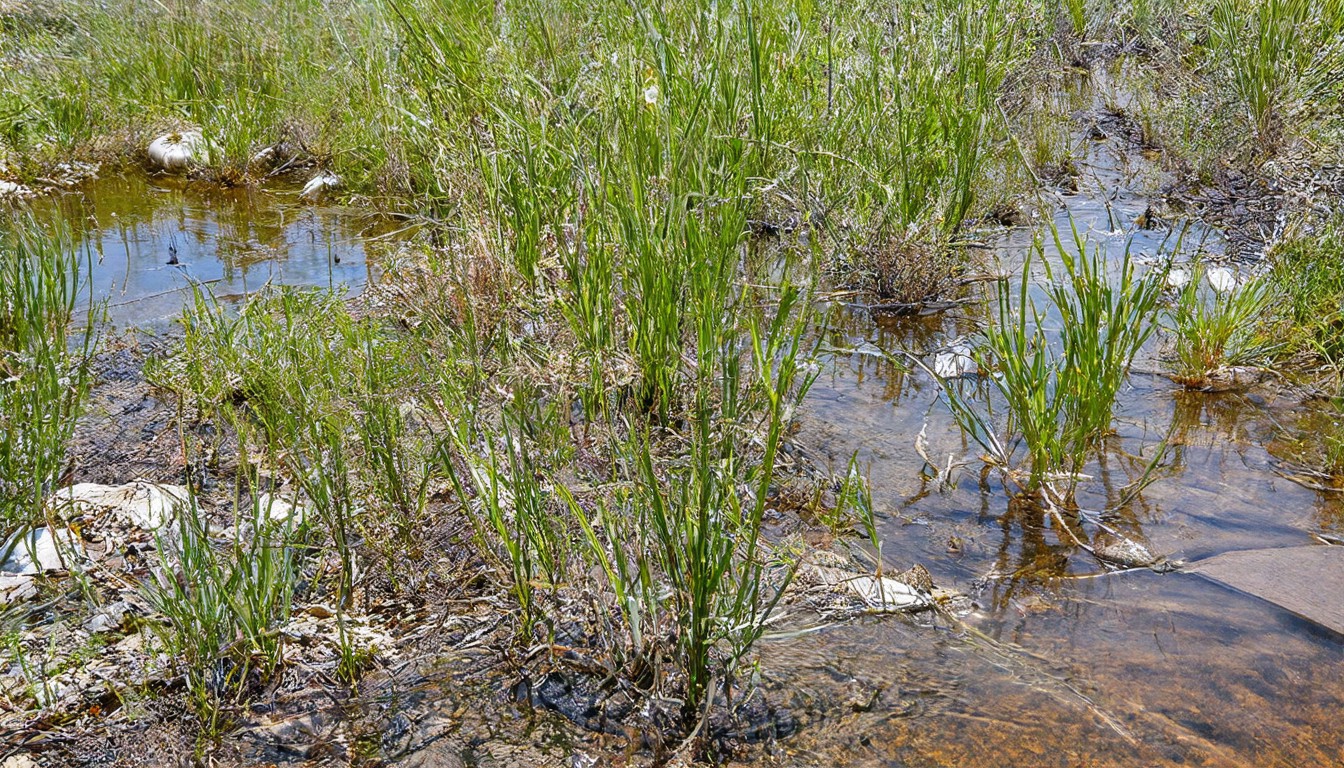
The Western United States is already facing severe water shortages, with officials sounding the alarm bells in early March due to historically low snowpacks. These snowpacks are crucial for supplying water to communities as they slowly melt throughout the spring and summer. The situation has worsened with the arrival of an early heat wave, exacerbated by climate change, which has caused much of the remaining snow to melt rapidly. Experts warn that this could lead to fears for water supplies, as the melted snow may evaporate or run off too early in the season.
Compounding the problem, more than half of the Western US is currently experiencing drought conditions, according to the federal drought monitoring system. As the region braces for a potential water crisis driven by this triple weather whammy, communities are taking drastic measures to conserve water. Some areas are implementing stricter water usage limits earlier than ever before, disrupting various aspects of daily life. Gardening habits are being altered, and even dining out is affected as restaurant owners are asked to serve water only upon request.
The situation is further complicated by ongoing disputes between states over shared resources from the Colorado River, a critical and increasingly strained watershed in the region. As climate change drives an intensifying global pattern of more widespread and severe drought, many places around the world face similar dilemmas.
The Denver Board of Water Commissioners recently announced a series of water limits aimed at reducing area usage by 20 percent. This move highlights the urgent need for conservation efforts across the Western US, where the combination of drought, heat, and melting snowpacks has put immense pressure on water supplies. The challenges posed by climate change and the resulting environmental impacts are not limited to the Western US; they are a global concern that requires immediate attention and coordinated action to mitigate their effects on water resources and communities worldwide.