
The Washington Post partners with OpenAI on search content
The Washington Post is partnering with with OpenAI to integrate news into ChatGPT, providing users with summaries, quotes, and direct links to original reporting.
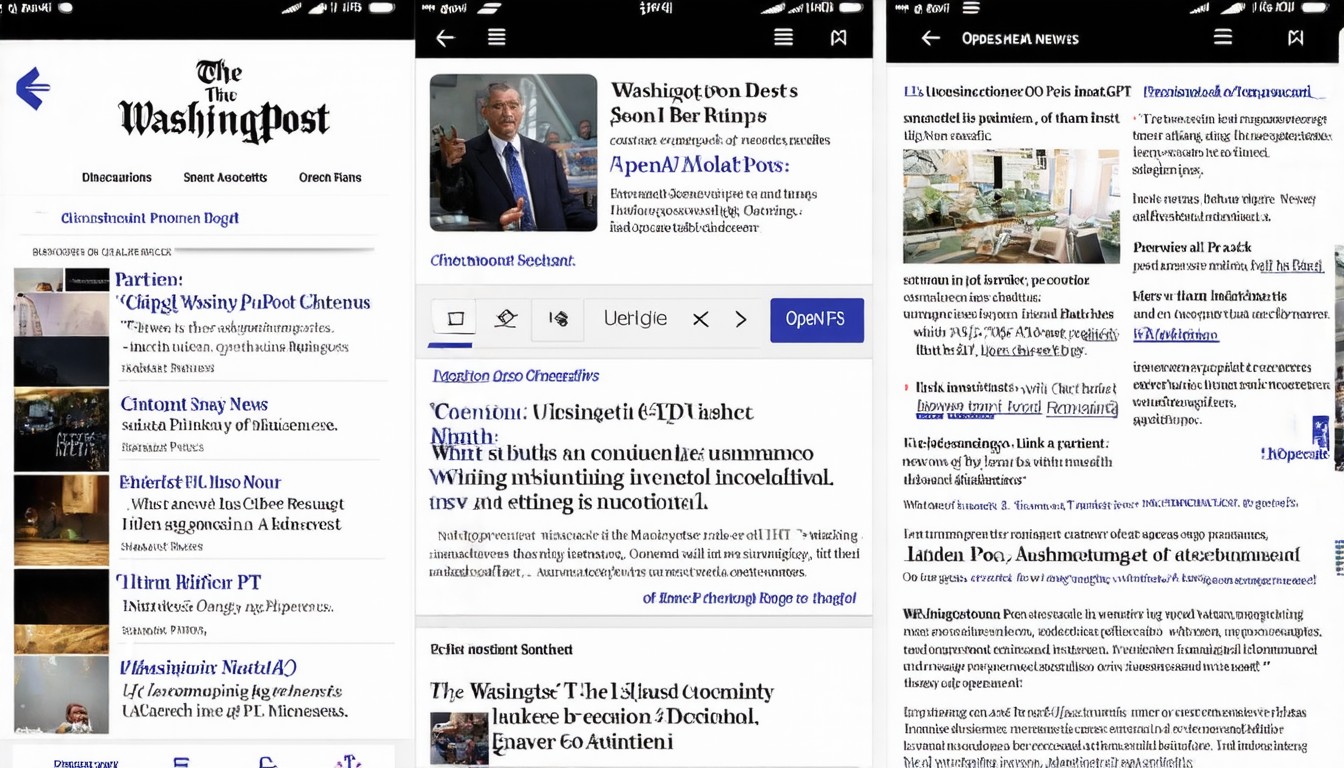
The Washington Post has announced a groundbreaking partnership with OpenAI, the artificial intelligence company behind ChatGPT, to integrate news content directly into the popular chatbot. This collaboration aims to enhance the user experience by providing concise summaries, key quotes, and direct links to original reporting from The Washington Post within the ChatGPT platform.
The initiative, which is part of a broader effort to make high-quality journalism more accessible, will allow ChatGPT users to access The Washington Post's news articles in a seamless manner. By integrating the news outlet's content, OpenAI's AI technology will be able to generate summaries and extract relevant information, enabling users to quickly grasp the main points of a story without having to navigate to the original source.
In a statement, The Washington Post emphasized its commitment to making journalism more discoverable and engaging. The partnership with OpenAI represents a significant step forward in leveraging technology to reach a wider audience and enhance the way people consume news. The integration of The Washington Post's content into ChatGPT will not only provide users with valuable insights but also drive traffic back to the outlet's website, supporting its mission to deliver in-depth reporting and analysis.
OpenAI's ChatGPT has become a popular tool for users seeking information on various topics, from current events to historical facts. By incorporating The Washington Post's news articles, the platform will offer a more comprehensive and authoritative source of information. This partnership highlights the growing trend of media outlets collaborating with AI technologies to expand their reach and engage with audiences in innovative ways.
The integration process will involve training OpenAI's AI models to accurately summarize and extract key details from The Washington Post's articles. This will require careful attention to ensure that the summaries remain faithful to the original content and maintain the integrity of the journalism. The partnership also underscores the importance of licensing agreements and copyright considerations in the digital age, as both parties work to ensure they are compliant with legal requirements.
The Washington Post's decision to partner with OpenAI reflects a broader shift in the media industry, where traditional outlets are increasingly adopting digital strategies to stay relevant. As AI technologies continue to evolve, the ability to integrate news content into platforms like ChatGPT offers a unique opportunity to reach new audiences and enhance the user experience.
This collaboration is expected to have a significant impact on how people discover and engage with news. By making The Washington Post's reporting more accessible through ChatGPT, the partnership could potentially increase public awareness and participation in important conversations. It also represents a potential shift in the way news organizations approach their digital presence, as they seek to leverage technology to better serve their readers.
In conclusion, The Washington Post's partnership with OpenAI to integrate news into ChatGPT is a pioneering move that combines the power of journalism with the capabilities of artificial intelligence. By providing users with summaries, quotes, and direct links to original reporting, this collaboration aims to make news more accessible and engaging, ultimately fostering a more informed and connected society. As the media landscape continues to evolve, such partnerships will likely become increasingly common, shaping the future of how news is consumed and shared.









