
The War Room newsletter: The war that shaped modern Iran
Iran’s conflict with Iraq in the 1980s provides valuable lessons for today, writes Richard Cockett, a senior editor
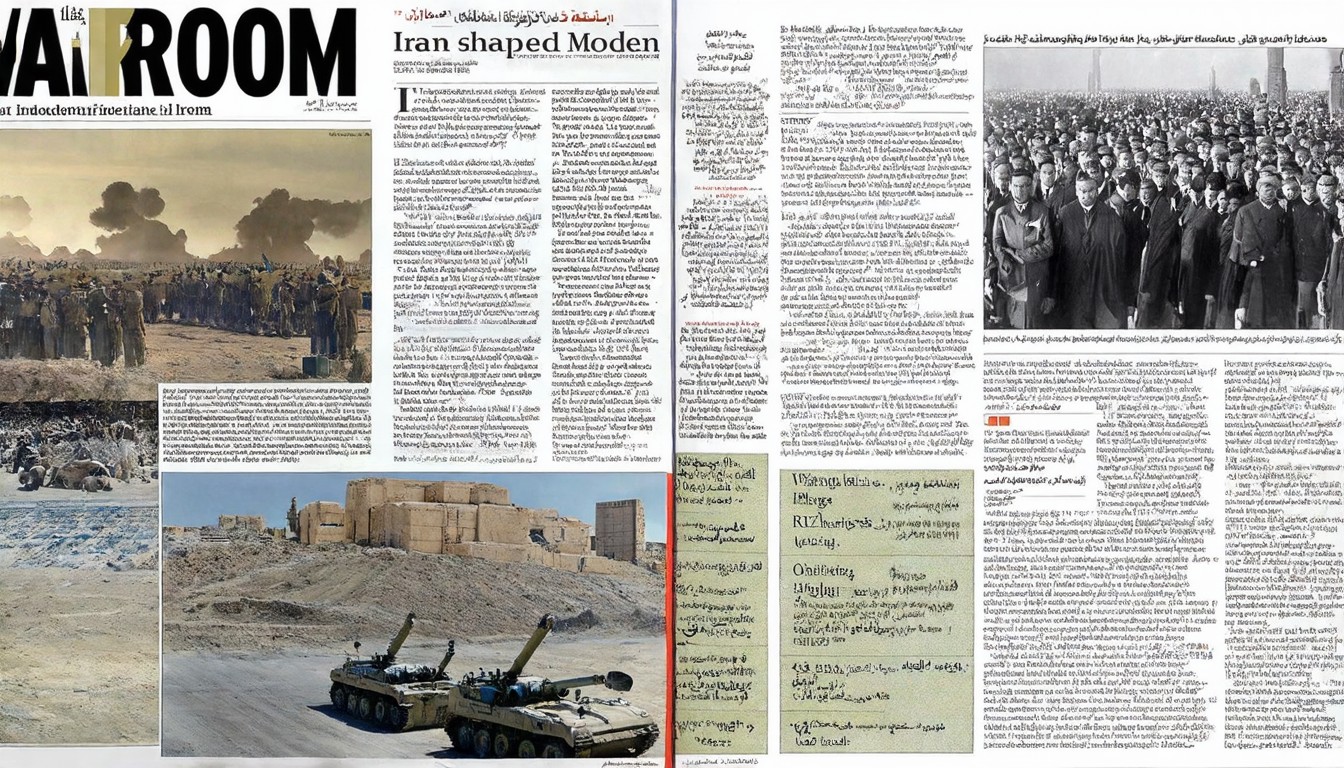
In the shadow of the Middle East's ever-shifting geopolitical landscape, the Iran-Iraq War of the 1980s stands as a pivotal conflict that continues to shape the region's dynamics. Richard Cockett, a senior editor at The War Room newsletter, delves into the historical significance of this war, arguing that its lessons are as relevant today as they were decades ago.
The Iran-Iraq War, which lasted from 1980 to 1988, was a brutal eight-year conflict rooted in deep-seated ideological and territorial disputes. Following the 1979 Islamic Revolution in Iran, which overthrew the Shah and established a theocratic government, Iraq's Ba'athist regime, led by Saddam Hussein, viewed the new regime as a direct threat to its own stability. Saddam Hussein, seeking to divert attention from internal dissent and secure regional dominance, launched a surprise invasion of Iran in September 1980.
The war quickly escalated into a protracted and devastating conflict, marked by massive casualties, widespread humanitarian suffering, and the use of chemical weapons. Both nations mobilized their populations and resources, with Iran's revolutionary fervor driving its military efforts, while Iraq relied on advanced weaponry and foreign support, particularly from countries like France and the Soviet Union.
One of the most significant lessons of the Iran-Iraq War is the power of ideology in wartime. For Iran, the conflict was framed as a holy war against the secular, Western-backed Iraqi regime, which resonated deeply with the Iranian populace and fueled their resolve. This ideological alignment not only galvanized domestic support but also garnered sympathy and aid from other Islamic nations and groups. In contrast, Iraq's war effort struggled to maintain public morale, as the Ba'athist regime's legitimacy was increasingly questioned amid the war's mounting costs and human toll.
The war also highlighted the importance of foreign intervention and alliances. Iran, despite its initial disadvantages, managed to sustain its military campaign through a combination of popular mobilization and strategic alliances. It received significant support from Iran's Shia neighbors, such as Iraq's own Shia majority, who saw the Iranian forces as liberators from Saddam Hussein's oppressive rule. Iraq, on the other hand, received substantial military and financial aid from its Western allies, particularly France under President François Mitterrand, who provided advanced weapons systems that helped Iraq maintain its military edge for much of the conflict.
Another critical lesson from the Iran-Iraq War is the consequences of prolonged conflict and the challenges of post-war reconstruction. The war left both countries devastated, with immense human and economic costs. Iran, in particular, suffered catastrophic losses, with an estimated 500,000 to 600,000 fatalities, many of whom were young soldiers. The conflict also resulted in the displacement of millions of refugees and the destruction of infrastructure, which hindered post-war recovery.
In the years following the war, both Iran and Iraq faced the daunting task of rebuilding their societies. For Iran, the war's end marked a shift in focus from external threats to internal challenges, including economic rebuilding and managing the aftermath of a decade of conflict. Iraq, meanwhile, continued to grapple with the legacy of Saddam Hussein's regime and the complexities of post-conflict governance.
Today, the lessons of the Iran-Iraq War remain relevant in the face of ongoing regional tensions and global conflicts. The conflict serves as a stark reminder of the dangers of ideological extremism and the devastating impact of prolonged warfare. Moreover, it underscores the role of foreign intervention in shaping the outcomes of regional conflicts and the importance of popular mobilization in sustaining military efforts.
As we navigate the complexities of the modern Middle East, the Iran-Iraq War offers valuable insights into the interplay of ideology, alliances, and geopolitical strategies. By examining this pivotal conflict, we gain a deeper understanding of the region's past and the challenges it continues to face, ensuring that history informs and shapes our approach to contemporary issues.









