
The War Room newsletter: The best tanks of all time
In a bonus edition of our defence newsletter, Richard Cockett examines an icon from the battlefield
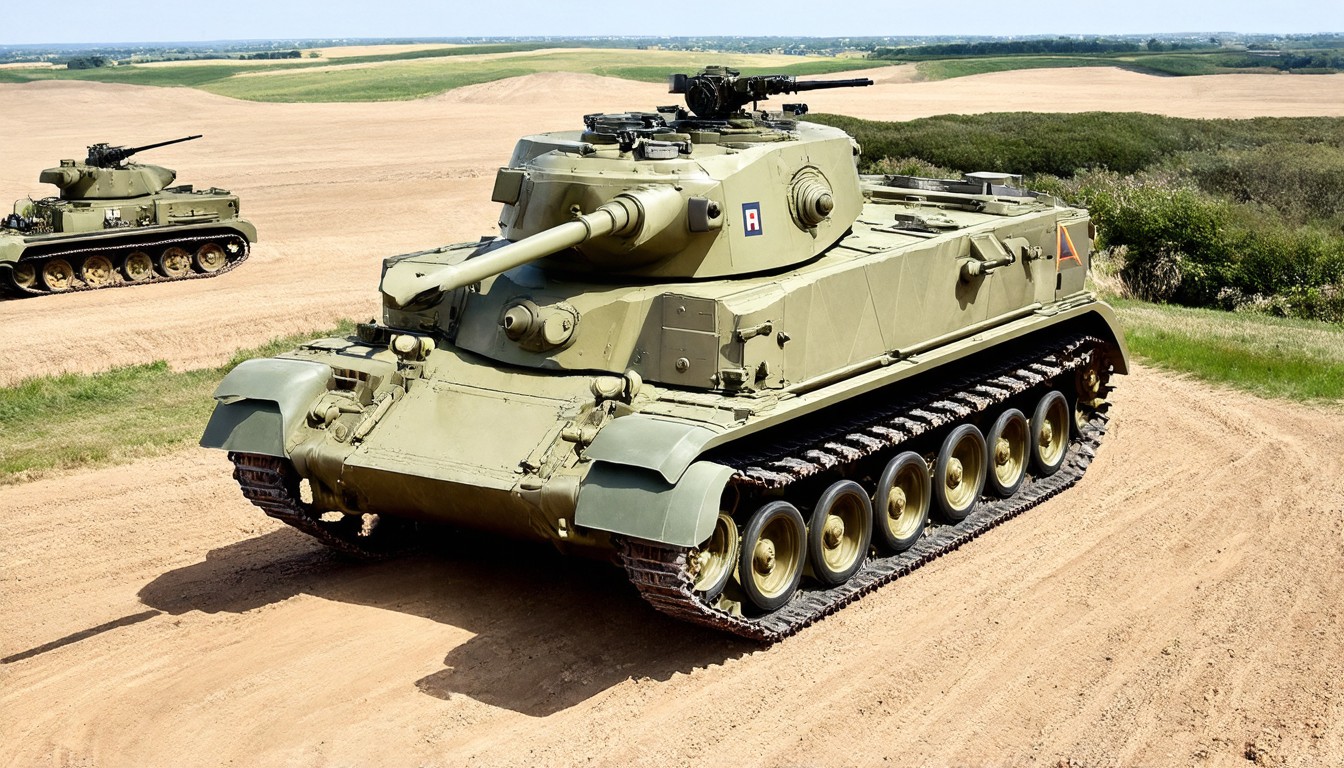
In a bonus edition of our defence newsletter, Richard Cockett delves into the world of tanks, iconic symbols of military power and technological innovation. Tanks have been pivotal in shaping modern warfare, transforming the way battles are fought and won. From the first armored vehicles that rolled onto the battlefield in World War I to the advanced battle tanks of today, these machines have left an indelible mark on military history.
The tank's invention is often attributed to British engineer Sir Walter Gordon Wilson, who proposed the idea in 1915. The first successful prototype, the Mark I, was introduced in 1916, and it quickly became a game-changer on the Western Front. The Mark I's ability to traverse trenches and resist infantry fire marked the beginning of a new era in warfare. Over the years, tanks have evolved significantly, becoming faster, more maneuverable, and heavily armed.
As Cockett explores the best tanks of all time, he begins with the iconic Soviet T-34, which played a crucial role in World War II. The T-34 was renowned for its balance of firepower, mobility, and armor, making it a formidable opponent on the Eastern Front. Its sloped armor design provided superior protection against enemy fire, while its cannon and machine gun armament allowed it to engage a variety of targets. The T-34's influence extended beyond the war, as it became the blueprint for future tank designs worldwide.
Another standout is the German Panther tank, which emerged later in the war. The Panther was designed to counter the Soviet T-34, offering superior firepower with its long 75mm gun and a more powerful engine. Its larger size and improved armor made it a formidable adversary, capable of withstanding heavy enemy fire. However, the Panther's complex design and production challenges limited its numbers on the battlefield.
The American M4 Sherman tank, while not as advanced as its European counterparts, became one of the most produced tanks in history. Its simplicity, reliability, and versatility made it a staple of Allied forces across multiple fronts. The Sherman's role in the D-Day invasion and its continued use in post-war conflicts underscore its enduring legacy.
In the post-World War II era, the Soviet Union's T-54 and T-55 tanks dominated the battlefields of the Cold War. These tanks were widely exported and used in numerous conflicts, showcasing their durability and effectiveness. The T-55, in particular, became a symbol of Soviet military might and was employed by numerous nations in conflicts ranging from the Vietnam War to the Middle East.
The Israeli Merkava tank, developed in the 1970s, represents a unique approach to tank design. Focused on survivability, the Merkava features a distinctive layout that protects its crew and key components. Its innovative design has made it a formidable force in the Israeli Defense Forces, particularly in the rocky terrain of the Middle East.
As we look to the future, the next-generation tanks like Germany's Leopard 2 and Russia's T-90 continue to push the boundaries of tank technology. These machines combine advanced armor, powerful weaponry, and sophisticated sensors to give their crews a decisive edge on the battlefield.
In conclusion, the tank has been more than just a weapon; it has been a symbol of military prowess and technological advancement. From the Mark I to the T-90, these machines have shaped the course of history and continue to evolve to meet the challenges of modern warfare. As Richard Cockett's exploration of the best tanks of all time reveals, the tank's legacy is one of innovation, resilience, and unparalleled impact on the battlefield.








